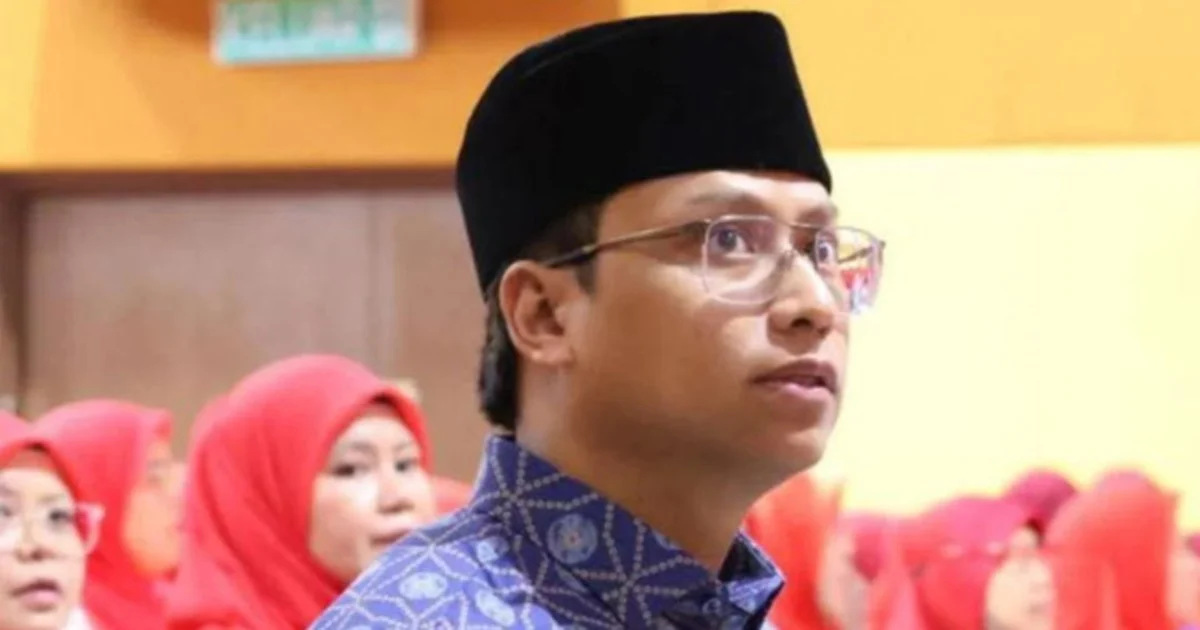
The family of Datuk Dr Mohd Puad Zarkashi, a prominent figure in Umno's upper echelons who has served on the party's Supreme Council, has come forward to publicly defend the former party leader's recent statements regarding Umno's strategic direction and future path. His son, speaking to the media in Kuala Lumpur, characterised his father's commentary not as dissident rhetoric or opportunistic criticism, but rather as a sincere effort to preserve the party's long-term viability and standing within the Malaysian political landscape.
The defence comes amid what appears to be ongoing tension within Malaysia's largest Malay-Muslim political party over fundamental questions about ideology, governance, and the party's relationship with broader coalition politics. Umno, which has dominated Malaysian politics for decades, has found itself navigating complex internal debates about its electoral strategy, party discipline, and ideological positioning following recent political upheaval and electoral setbacks at both federal and state levels.
By characterising his father's interventions as forward-thinking rather than divisive, the younger Puad has attempted to reframe the narrative around the former Supreme Council member's public statements. This strategic positioning suggests the family views these remarks as constructive criticism stemming from decades of party experience and institutional knowledge, rather than as an act of intra-party disloyalty or opportunism that might invite party sanctions or reputational damage.
The notion that history will ultimately vindicate the Umno position that Datuk Dr Puad has articulated represents a significant gambit. It positions the family within a longer arc of party history, suggesting that current controversies and disagreements will appear differently when viewed through the lens of future outcomes and documented party decisions. This rhetorical approach is typical of internal party disputes where conflicting factions attempt to position themselves as prophetic voices whose concerns will be validated by subsequent events.
Umno's trajectory since the 2020 general election has been marked by considerable internal friction and competing visions of the party's future. The party emerged from significant electoral losses in 2018 and has spent the subsequent years rebuilding its political coalition while managing deep ideological and generational divides. Questions about whether the party should align more closely with Islamist agendas or pursue a more inclusive multiethnic approach have created fault lines that periodically erupt into public view.
The defence also reflects broader anxieties within Umno's establishment about the party's relevance and strategic positioning. Senior figures like Datuk Dr Puad, who have occupied privileged positions within party hierarchy for extended periods, often feel compelled to speak out when they perceive the party drifting from core principles or pursuing strategies they believe are counterproductive. Such interventions frequently provoke defensive reactions from current party leadership, creating cycles of criticism and counter-criticism that dominate party discourse.
For Malaysian political observers, these internal Umno dynamics carry significant implications beyond the party itself. As the largest component of the Barisan Nasional coalition and the dominant force in Peninsular Malay politics, Umno's strategic choices directly influence federal government policy, coalition stability, and the broader competitive dynamics of Malaysian electoral politics. Internal coherence within Umno therefore matters considerably for national political stability and governance effectiveness.
The involvement of family members in defending a party elder's public statements also underscores how Malaysian political culture increasingly intertwines family networks with institutional party positions. Rather than engaging solely through formal party channels, figures like Datuk Dr Puad and his family deploy media platforms and public discourse to shape narratives around party governance and strategic direction. This approach reflects both the personalised nature of Malaysian politics and the evolution of political communication in the digital age.
The suggestion that broader historical judgment rather than immediate party response should govern the reception of Datuk Dr Puad's remarks represents an implicit criticism of how Umno currently handles internal dissent. It implies that the party's immediate defensive reactions or disciplinary responses may prove historically embarrassing or counter-productive, and that the substance of his concerns merits more serious consideration than rapid dismissal or suppression.
Looking forward, this defence may influence whether Umno's senior leadership engages substantively with the concerns Datuk Dr Puad has raised or alternatively whether it moves to marginalise the former Supreme Council member and his supporters within party structures. The response will signal to other senior party figures whether publicly articulated concerns about party direction are viewed as valuable contributions to internal debate or as acts of disloyalty warranting institutional punishment.
The broader context of Umno's evolution remains crucial for understanding these internal disputes. The party must simultaneously appeal to its traditional Malay-Muslim base, manage coalition relationships with component parties holding distinct agendas, and compete with emerging political forces like Perikatan Nasional that challenge its monopoly on Malay political representation. Navigating these competing pressures while maintaining internal cohesion represents an extraordinarily complex challenge that likely generates continued friction between different party factions holding divergent strategic preferences.

