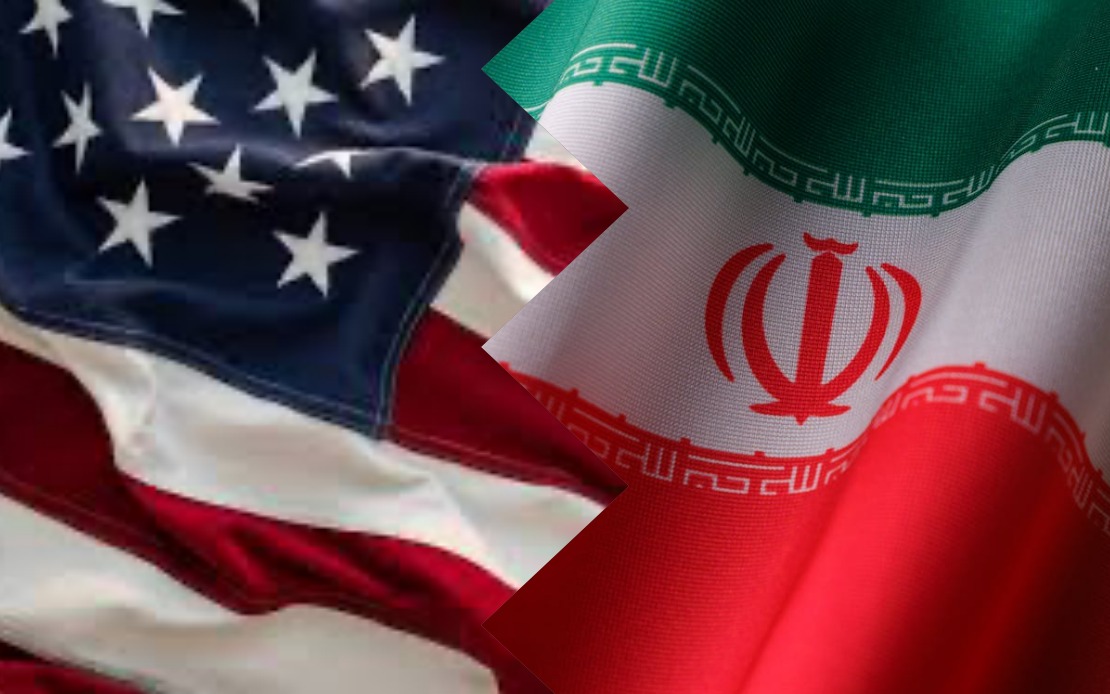
Mediation efforts between the United States and Iran have entered a new phase of constructive engagement, with Qatar announcing on Wednesday that indirect diplomatic meetings held in Doha have produced what officials describe as meaningful progress. The announcement came from Qatar's Foreign Ministry spokesman Majed Al Ansari, who disclosed that separate discussions conducted with delegations from both nations had advanced discussions on issues contained within the Islamabad Memorandum of Understanding, a framework that represents an attempt to establish common ground on contentious bilateral matters.
The involvement of both Qatar and Pakistan as joint mediators reflects the delicate nature of these negotiations and the international effort required to bridge the substantial divide between Washington and Tehran. Pakistan's participation alongside Qatar underscores the regional dimensions of the talks and the broader geopolitical implications for South Asian and Middle Eastern stability. These mediation efforts build upon previous diplomatic groundwork, including outcomes from the Lake Lucerne Summit, suggesting a sustained diplomatic track despite the turbulent history between the two nations.
The announcement of positive progress carries weight given the fraught context in which these talks are occurring. The diplomatic environment has been complicated by recent regional tensions and military operations, which have heightened concerns about escalation. Nevertheless, both the American and Iranian delegations have signalled their commitment to continued engagement, indicating that despite underlying tensions, there remains a willingness to pursue dialogue as a means of managing disputes and exploring areas of potential agreement.
For observers in Southeast Asia and Malaysia, these developments carry significance beyond the immediate bilateral relationship. The stability of the Middle East directly affects regional trade routes, energy security, and the broader international security environment that influences investments and regional cooperation. Any progress toward de-escalation between Washington and Tehran reduces the risk of wider conflict that could disrupt shipping through crucial maritime passages and create refugee flows affecting the region. Malaysia, as a member of the Non-Aligned Movement with historically balanced relations across geopolitical lines, has an interest in promoting dialogue and reducing confrontation among major powers.
The schedule for subsequent negotiations remains flexible, with officials indicating that the timing of the next round would be determined following the conclusion of ceremonial events honouring Iran's former Supreme Leader. This postponement reflects diplomatic courtesy and acknowledges the significance of the moment within Iran's political landscape. The willingness to pause formal negotiations for such observances demonstrates a level of mutual respect in the mediation process, despite the deep historical antagonism between the parties.
The memorandum serving as the foundation for these discussions represents an attempt to establish a structured framework for addressing specific grievances and concerns. By focusing negotiations on concrete issues identified within this document, both sides have created parameters that may make agreement more achievable than broader attempts at reconciliation. This targeted approach to negotiation has proven successful in other contexts, allowing parties to build trust through incremental progress on specific matters before attempting more comprehensive settlements.
The role of Qatar as mediator reflects the Gulf state's established position as a neutral diplomatic actor capable of maintaining channels with parties that have severed official relations. Qatar's demonstrated capacity to host negotiations and facilitate communication has made it an indispensable venue for such talks. The presence of both American and Iranian delegations in Doha simultaneously, even if meeting separately, demonstrates the strategic utility of such arrangements in maintaining communication without requiring formal recognition or direct engagement.
For regional powers and ASEAN nations monitoring these developments, the outcome of US-Iran negotiations carries implications for the broader structure of international relations. Any agreement that reduces American-Iranian tensions could recalibrate military postures in the region, potentially affecting strategic calculations regarding major power competition in Asia. Conversely, continued diplomatic engagement, regardless of whether comprehensive agreements are reached, helps prevent the kind of military miscalculation that could rapidly escalate into wider conflict affecting global commerce and stability.
The agreement by both parties to schedule additional meetings at the earliest convenient moment following current ceremonies suggests sustained momentum in the negotiation process. This commitment to continued engagement, even with a temporary pause, indicates that neither side views the current situation as a negotiating dead-end or wishes to allow momentum to dissipate. The forthcoming talks will be crucial in determining whether the positive progress announced can be converted into substantive agreements that address core issues separating the two nations.
As these mediation efforts proceed, the international community remains attentive to whether this diplomatic track can produce tangible results. For Malaysia and Southeast Asian nations, the successful resolution of US-Iran tensions would represent a stabilisation of global geopolitics that reduces uncertainty and supports the region's continued economic development. The ongoing dialogue, supported by Qatar and Pakistan, represents the kind of patient, behind-the-scenes diplomacy that can occasionally achieve breakthroughs on seemingly intractable international disputes.

