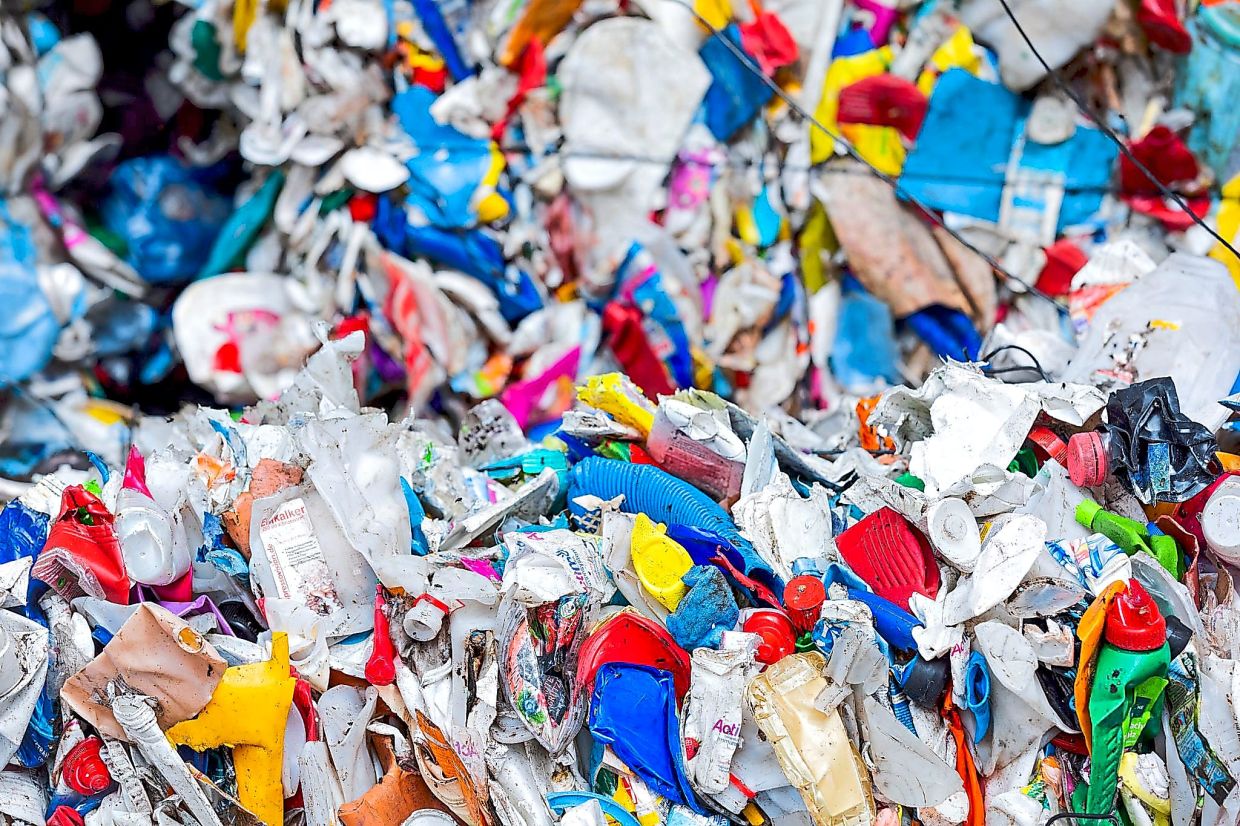
Microscopic plastic particles have become an unavoidable feature of modern life, infiltrating the human body through a variety of everyday sources. Nanoplastics—fragments so tiny they escape detection by the naked eye—leach continuously from plastic bottles, food containers, and packaging materials into our consumption chains. Once ingested, these particles navigate the bloodstream with relative ease, accumulating in vulnerable organs including the brain and reproductive system. The situation grows more concerning for vulnerable populations, as pregnant women can inadvertently transfer nanoplastics to their developing foetus through the placenta, establishing early-life exposure to a substance whose long-term health consequences remain poorly understood.
The global plastic crisis presents a particular challenge because efforts to reduce consumption have delivered only modest results. While some countries, particularly European nations, have implemented policies such as phasing out single-use plastic items and introducing deposit schemes for beverage bottles, the sheer volume of plastic already in the environment and the continued production of new plastics means nanoplastic contamination will persist for decades regardless of current interventions. For Southeast Asian nations like Malaysia, where plastic waste management infrastructure remains under development and single-use plastics remain ubiquitous, the threat posed by nanoplastics represents an urgent public health concern that extends beyond conventional pollution control.
Recent research conducted by scientists at Wenzhou University and the University of Hong Kong, however, suggests that individuals may possess an accessible tool to defend themselves against nanoplastic harm: regular aerobic exercise. The researchers conducted controlled experiments on fish exposed to nanoplastics, testing whether physical activity could moderate the toxic effects of plastic particle accumulation. Their findings, published in the Federation of American Societies for Experimental Biology (Faseb) journal, identified a surprising protective mechanism through which sustained cardiovascular exertion functions as what researchers termed an "exposure modifier" following nanoplastic ingestion.
The experimental animals exposed to nanoplastics without exercise interventions demonstrated severe physiological disruption. The plastic particles accumulated significantly in the ovaries, disrupting the delicate hormonal balance essential for reproductive function. Beyond reproductive organs, the affected fish exhibited behavioural markers consistent with anxiety and depression, suggesting that nanoplastic exposure triggers neurological and psychiatric effects. Stress hormone levels elevated substantially in contaminated subjects, indicating systemic physiological stress. These findings parallel concerning patterns emerging in human epidemiological studies, where nanoplastic exposure has been linked to inflammatory responses and potential cognitive impacts.
When the research team introduced aerobic exercise regimens—the equivalent of cycling, running, circuit training, or other sustained cardiovascular activities—the protective effects became apparent. Aerobic exertion substantially diminished the harmful consequences of nanoplastic exposure observed in sedentary subjects. The exercise did not eliminate nanoplastic accumulation entirely, but rather prevented the cascade of physiological damage that normally follows exposure. Subjects engaging in aerobic activity maintained more stable reproductive hormone profiles, exhibited fewer anxiety- and depression-like behaviours, and demonstrated normalized stress hormone levels compared to inactive contaminated controls. This suggests that exercise functions not by blocking nanoplastic uptake, but rather by enhancing the body's intrinsic capacity to tolerate and process plastic particle exposure.
The mechanism appears to operate through the gut microbiome, the vast ecosystem of microorganisms inhabiting the digestive system. Nanoplastic ingestion disrupts the microbial balance in the gut, favouring harmful bacterial populations and suppressing beneficial microbes essential for digestive health and immune function. Aerobic exercise reverses these microbial imbalances, restoring healthier microbial communities that apparently confer protection against nanoplastic-induced inflammation and systemic stress. This finding suggests that the benefits of exercise against nanoplastic exposure function through multiple pathways: direct stress reduction, improved cardiovascular function, and restoration of healthy gut ecology that buffers against toxic particle accumulation.
For Malaysian readers, these findings carry particular relevance given the nation's rapid industrialization and heavy reliance on plastic-packaged goods. Without comprehensive changes to production systems and consumer habits—changes unlikely to occur rapidly enough to prevent ongoing exposure—individual protective strategies become important. The research demonstrates that accessible, free interventions such as regular jogging, cycling, or aerobic classes can meaningfully reduce health damage from an otherwise inescapable environmental contaminant. This represents a pragmatic harm-reduction approach while broader regulatory and technological solutions develop.
The study does carry important limitations worth noting. Fish are used as experimental models because their physiology shares fundamental similarities with humans, yet direct human studies remain limited. The dose of nanoplastics administered in laboratory conditions may not precisely match real-world exposure patterns. Additionally, the research does not eliminate the imperative for regulatory action and industrial innovation to reduce nanoplastic generation at source. Nevertheless, the findings suggest that individuals can meaningfully mitigate at least some of nanoplastics' harmful effects through lifestyle choices within their control.
Moving forward, these results suggest that public health messaging should emphasize aerobic exercise not merely for traditional cardiovascular benefits, but also as a strategy for managing emerging environmental health threats. The research opens avenues for human clinical trials that could confirm whether exercise provides similar protection in exposed populations. For Southeast Asia, where both nanoplastic exposure and sedentary lifestyles represent mounting health challenges, exercise promotion campaigns could be reframed to address this modern pollution threat alongside obesity and metabolic disease.

