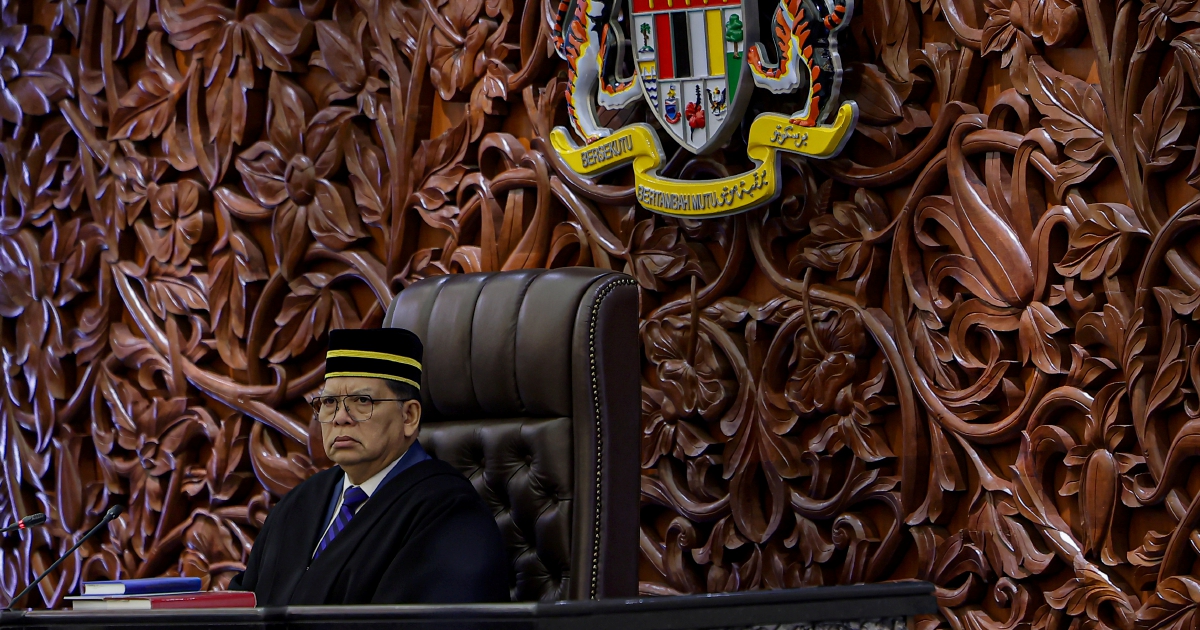
Malaysia's pilgrimage savings scheme will come under parliamentary scrutiny next week when Religious Affairs Minister Dr Zulkifli Hasan tables the findings of a Royal Commission of Inquiry into Tabung Haji. The special sitting of the Dewan Rakyat will hear the minister present conclusions from an investigation that has drawn intense public and political attention given the organisation's central role in funding Hajj pilgrims and managing billions in savings from Malaysian Muslims.
Tabung Haji, officially the Lembaga Tabung Haji, functions as the primary institution facilitating Hajj journey arrangements whilst simultaneously managing investment portfolios and savings accounts for millions of contributors. The decision to launch a full RCI underscores escalating concerns about the organisation's financial health, governance standards, and the security of deposits held on behalf of Malaysian pilgrims and savers. Such inquiries are typically reserved for matters deemed sufficiently serious to warrant executive-level investigation and parliamentary accountability.
The timing of the parliamentary presentation carries significance for ongoing efforts to restore public confidence in major Islamic institutions. Tabung Haji's role transcends mere financial services—it occupies a unique space in Malaysian society as a trusted custodian of savings for a religious obligation that millions of citizens aspire to fulfil. Any governance lapses or financial irregularities could undermine not only the organisation itself but also broader confidence in institutions managing communal religious funds.
Dr Zulkifli Hasan, positioned within the Prime Minister's Department's religious affairs portfolio, bears responsibility for tabling these findings at a politically sensitive juncture. The minister's presentation will likely address questions regarding internal controls, transparency mechanisms, investment decisions, and operational efficiency. Parliamentary proceedings will provide an opportunity for lawmakers across different constituencies to scrutinise conclusions and demand clarifications on matters directly affecting their constituents who maintain active savings accounts or aspire to undertake the Hajj pilgrimage.
The RCI process itself reflects recognition that conventional oversight mechanisms may have proven insufficient. Royal Commissions of Inquiry grant investigative powers extending beyond standard regulatory review, enabling examination of systemic issues, institutional culture, and decision-making patterns across leadership hierarchies. The body's conclusions likely contain recommendations spanning governance restructuring, compliance framework enhancement, and potentially recovery measures if financial losses have occurred.
For Malaysian Muslims specifically, Tabung Haji represents far more than a financial instrument. The institution embodies the Islamic principle of communal assistance in fulfilling one of Islam's Five Pillars. Millions have entrusted their savings to the organisation with the expectation that funds will remain secure and accessible when they reach their turn for pilgrimage. Any revelations of mismanagement would carry profound spiritual and emotional dimensions alongside financial implications.
The parliamentary sitting format itself signals the matter's gravity. Special sittings dedicated to single-agenda items indicate governmental recognition of public interest and the need for comprehensive parliamentary engagement. This procedural choice allows extended debate and deeper questioning than standard parliamentary schedules might accommodate, reflecting the multifaceted concerns surrounding Tabung Haji's operations and future direction.
Regionally, developments affecting Tabung Haji hold relevance for other Southeast Asian nations with substantial Muslim populations managing similar pilgrimage-related institutions and savings schemes. Malaysia's approach to investigating and addressing institutional weaknesses may establish precedents for financial governance standards that religious organisations throughout the region observe and potentially emulate.
The RCI findings will undoubtedly address accumulated public queries about specific incidents or decisions that prompted the inquiry. Whether the investigation has identified particular individuals responsible for alleged failures, quantified financial losses, or determined systemic vulnerabilities will shape both immediate parliamentary response and longer-term institutional reform trajectories. The presentation offers an opportune moment for government to demonstrate commitment to accountability whilst simultaneously reassuring contributors about protective measures now being implemented.
Moving forward, parliamentary deliberations following Dr Zulkifli Hasan's presentation will likely focus on implementation pathways for RCI recommendations. Lawmakers will demand clarity regarding timelines for reform, resource allocation, and oversight mechanisms ensuring that identified shortcomings do not recur. The government's willingness to adopt and resource these recommendations will signal the seriousness with which it regards governance improvement within this critical institution.
For Malaysian pilgrims and savers, this parliamentary sitting represents a critical juncture in restoring institutional credibility. The transparent presentation of findings and demonstrated commitment to remedial action may help rebuild confidence that Tabung Haji remains a trustworthy custodian of savings meant for fulfilling one of Islam's most cherished obligations. The coming week's proceedings will therefore command attention not merely as parliamentary procedure, but as a pivotal moment in institutional accountability affecting millions of Malaysians.

