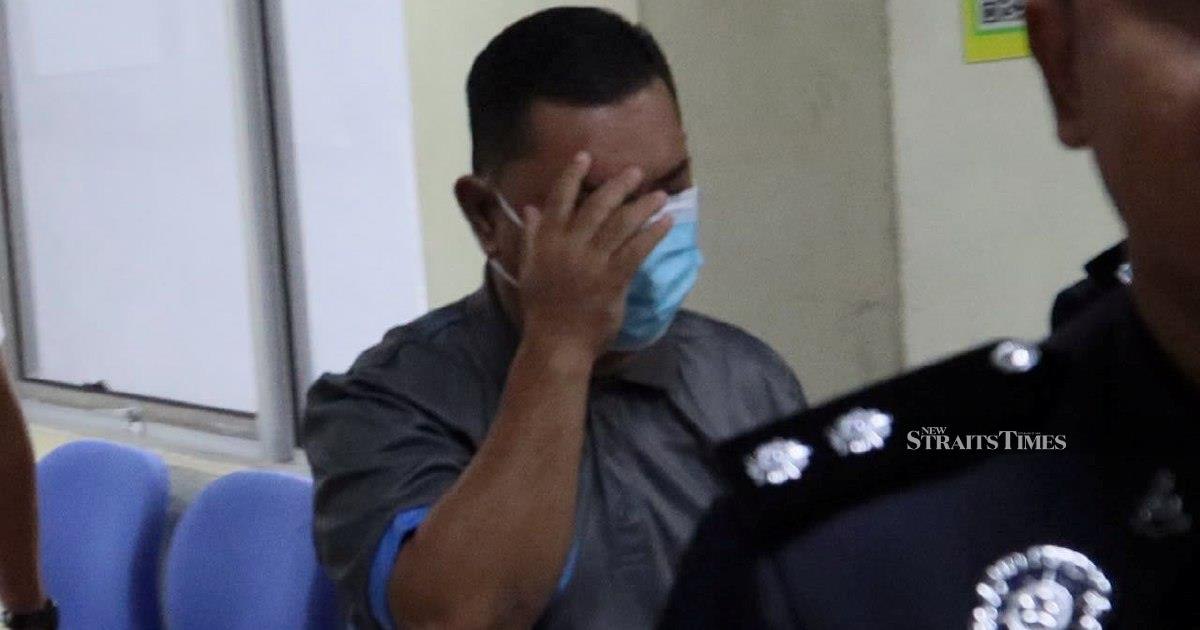
A teacher employed at a religious school in Butterworth made his first appearance in the Sessions Court today to face eight separate charges related to alleged sexual assault and behaviour intended to outrage the modesty of multiple male students under his care. The case has triggered fresh scrutiny into institutional safeguarding practices at religious and private educational establishments across Malaysia, where questions about supervision and accountability mechanisms remain pressing concerns for parents and education authorities alike.
The formal presentation of charges marks the beginning of a legal process that will examine allegations of inappropriate conduct spanning what appears to be multiple incidents involving several victims. The religious school sector in Malaysia educates a significant portion of the nation's youth, and incidents of this nature raise fundamental questions about the duty of care institutions must exercise when employing staff in positions of authority over vulnerable minors. The specificity of the charges—combining counts of sexual assault with those relating to outraging modesty—indicates that investigators have gathered evidence across a range of alleged behaviours rather than isolated incidents.
Such allegations carry profound implications for the victims and their families, who often face complex emotional and psychological consequences following institutional abuse. In Malaysia, where social stigma surrounding sexual assault remains a significant barrier to reporting, many such cases may go undetected or unreported for extended periods. The emergence of this case through formal legal proceedings suggests that either the students themselves, their parents, or other school staff eventually recognised concerning patterns and reported them to authorities—a critical step that educators and parents have been urged to undertake more readily across the region.
The Malaysian education system has increasingly come under scrutiny regarding implementation of comprehensive child protection policies. While the Ministry of Education has issued guidelines on safeguarding, enforcement and awareness-raising vary considerably between government, religious, and private institutions. Religious schools, which operate with varying degrees of autonomy depending on their affiliations and funding structures, sometimes operate with less external oversight than conventional government institutions. This disparity has prompted calls from child protection advocates for standardised protocols across all educational settings, regardless of their religious or private status.
Teacher conduct and institutional accountability represent parallel concerns in this context. Beyond the individual teacher's alleged behaviour, the case invites examination of whether the school itself implemented adequate screening procedures during hiring, maintained appropriate supervision protocols, and established clear channels through which students and staff could report misconduct without fear of reprisal. Educational institutions across Southeast Asia have been increasingly expected to develop transparent complaint mechanisms and robust follow-up procedures when safeguarding concerns are raised. The absence of such systems, or their inadequate implementation, effectively enables institutional vulnerability to misconduct.
For Malaysian parents, particularly those selecting religious schools based on assumptions about moral oversight and character development, such revelations can shake confidence in institutional integrity. Many families make significant financial sacrifices to enrol children in private or religious education, operating under the assumption that smaller class sizes, religious instruction, and emphasis on moral values provide superior protective environments. When allegations of abuse emerge, they expose the fallacy of equating institutional ethos with institutional safety—a critical distinction that education policy specialists continue to emphasise across the region.
The Sessions Court proceedings will presumably involve examination of evidence, witness testimony from the alleged victims and other students, and potentially expert psychological or medical assessment. The severity of the charges suggests that investigators identified credible corroborating evidence beyond student accounts alone, though such investigations are often hindered by institutional resistance, delayed reporting, and the difficulty of substantiating allegations that may have occurred months or years earlier. Malaysian courts have progressively become more responsive to sexual assault cases, though conviction rates remain comparatively low, partly because of evidential challenges inherent in such cases.
The broader context includes Malaysia's ongoing efforts to strengthen child protection frameworks. Recent years have witnessed increased public discourse around safeguarding in schools, Islamic religious schools particularly, following similar high-profile cases. The Malaysian government has initiated training programmes for teachers on recognising signs of abuse and established reporting mechanisms, though implementation gaps persist, especially in more geographically isolated areas and within institutions with limited government oversight. This case will likely receive significant media attention and may prompt renewed policy discussions about strengthening accountability across all education sectors.
For the accused teacher, the presumption of innocence remains foundational to Malaysia's legal system. The Sessions Court process will determine the credibility of allegations and the sufficiency of evidence. Nevertheless, the formal commencement of proceedings represents a significant moment in what may be a lengthy legal journey. If convicted, sentencing guidelines in Malaysia for sexual assault offences carry custodial penalties and, in cases involving minors, typically result in substantial prison terms alongside potential registration requirements as a sex offender.
The case underscores why comprehensive institutional reform—spanning hiring practices, training, supervision, complaint mechanisms, and inter-agency cooperation—remains essential for protecting young Malaysians within educational settings. Without proactive safeguarding measures and genuine institutional commitment to protecting students, religious and private schools risk becoming environments where abuse can flourish undetected. Moving forward, this case may catalyse broader discussions about establishing minimum safeguarding standards applicable across all Malaysian educational institutions, regardless of their legal classification or ideological orientation.

