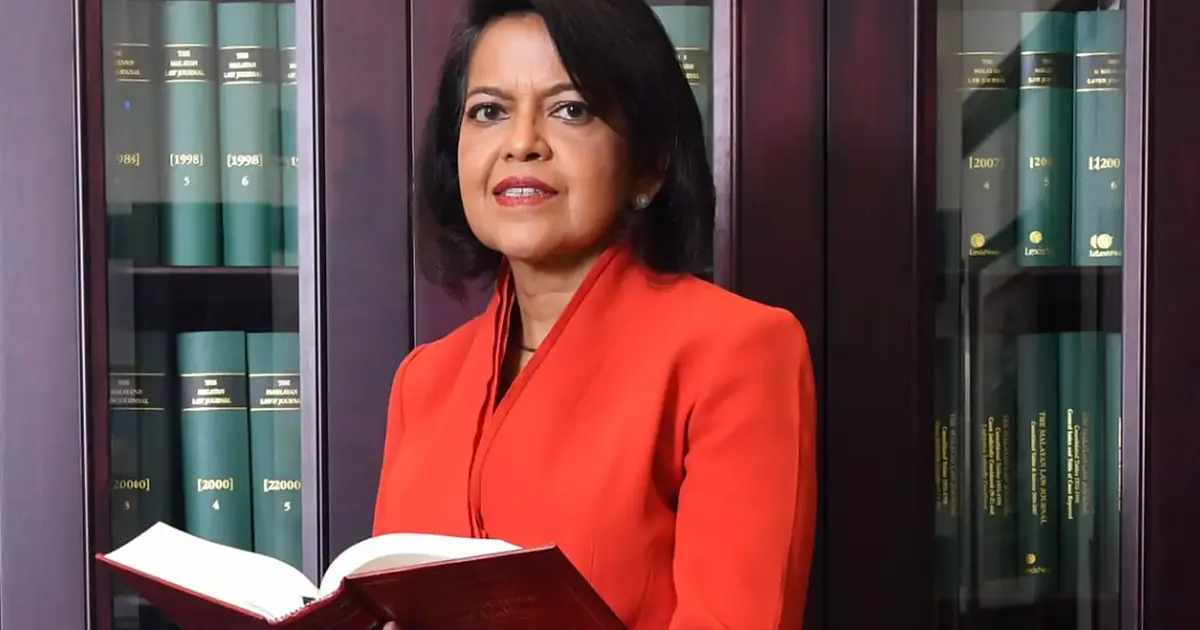
The Malaysian Media Council has appointed Nallini Pathmanathan, a former judge of the Federal Court, to serve as its chairman. The appointment marks a significant shift in leadership for the regulatory body overseeing print and broadcast standards, bringing judicial experience to a role increasingly vital as media organizations navigate mounting pressures.
Pathmanathan's selection reflects the council's recognition that the Malaysian media landscape requires guidance grounded in legal expertise and institutional credibility. Her background on the bench brings a perspective on constitutional matters and the delicate balance between press freedom and regulatory oversight—issues that dominate contemporary debates about journalism in the country. The appointment also signals the council's intent to strengthen its governance framework during a period of considerable flux in how news is produced, distributed, and consumed.
The Malaysian media industry currently faces a complex array of difficulties that justify the council's decision to seek experienced leadership. Digital transformation has fundamentally altered business models that sustained newsrooms for decades, forcing publications and broadcasters to reinvent themselves while maintaining editorial standards. Simultaneously, the profession confronts questions about misinformation, social media competition, and audience trust—challenges that extend across Southeast Asia and demand coordinated, thoughtful responses.
For Malaysian readers accustomed to traditional news sources, the appointment carries practical implications. The Media Council wields considerable influence over content standards, complaints procedures, and industry self-regulation mechanisms. A chairman with judicial background may bring greater rigor to adjudication of complaints, potentially establishing clearer precedents for how media conduct is assessed. This could affect everything from how publications report on sensitive topics to their obligations in issuing corrections.
Pathmanathan's judicial tenure would have exposed her to numerous cases touching on press freedom, defamation, and publication rights. That experience positions her to interpret the council's code of ethics with nuance, recognizing both the media's crucial democratic role and legitimate concerns about accuracy and harm. Her appointment suggests the council intends to elevate discussions about journalistic standards beyond mere rule-enforcement toward principled examination of media's responsibilities in society.
The timing of this leadership change merits consideration. Malaysia's media ecosystem has grown increasingly polarized, with outlets often aligned along political, linguistic, or ideological lines. Digital platforms have fragmented audiences into echo chambers, making the council's role as neutral arbiter more important—and more difficult. A figure with Pathmanathan's standing may carry sufficient institutional authority to command respect across industry factions that might otherwise dismiss regulatory guidance as partisan.
Regionally, Malaysia's approach to media governance influences standards across Southeast Asia. The council's decisions set precedents studied by journalists and regulators elsewhere in the region. By appointing a former judge, Malaysia's media body potentially elevates the perceived legitimacy of industry self-regulation at a moment when several Southeast Asian governments have proposed tighter state control over information flows. Strong, credible self-regulation can serve as a counterweight to arguments for heavier-handed government intervention.
The council faces particular urgency in addressing how traditional media outlets adapt to digital economics. Many struggling newspapers have reduced investigative capacity, raising concerns about accountability journalism at a moment when complex stories about governance, corporate conduct, and public health demand sustained reporting. Pathmanathan's mandate likely includes encouraging industry innovation while maintaining standards that differentiate professional journalism from unverified online content.
Pathmanathan must also navigate the fraught relationship between media freedom and national security concerns. Malaysia, like many nations, has grappled with balancing press rights against state interests, particularly regarding sensitive topics from defense matters to religious affairs. Her judicial background should provide frameworks for these discussions, though the political sensitivity means any perceived favoritism—either toward censorship or excessive libertarianism—could undermine the council's credibility.
The appointment reflects broader shifts in how regulatory institutions are staffed. Rather than appointing politicians or industry veterans, the Malaysian Media Council has chosen someone whose credibility rests on judicial impartiality. This approach, if replicated elsewhere, could strengthen media governance across the region by emphasizing merit and institutional independence over patronage or ideological alignment.
Looking forward, Pathmanathan's success will be measured partly by whether the council becomes a more effective forum for resolving industry disputes and maintaining professional standards. Malaysia's media practitioners will scrutinize whether the new leadership genuinely listens to newsroom concerns or merely enforces rules from above. The council's effectiveness ultimately depends on the respect it commands from news organizations that voluntarily submit to its authority.
The appointment also signals that media governance is increasingly viewed as requiring specialized expertise rather than general administrative competence. As misinformation spreads globally and journalists face threats ranging from economic pressure to physical danger, the institutions meant to guide and protect the profession need leaders of genuine stature. Pathmanathan's appointment suggests Malaysia recognizes that media regulation demands the same caliber of thinking and judgment expected in courts and government.
For the broader Southeast Asian media landscape watching Malaysia's approach, this appointment offers a model for how countries might strengthen self-regulatory capacity during technological upheaval. Whether Pathmanathan can unite a fractured industry around shared professional principles remains to be seen, but her appointment at least demonstrates that some institutions still prioritize credibility and expertise over expediency.