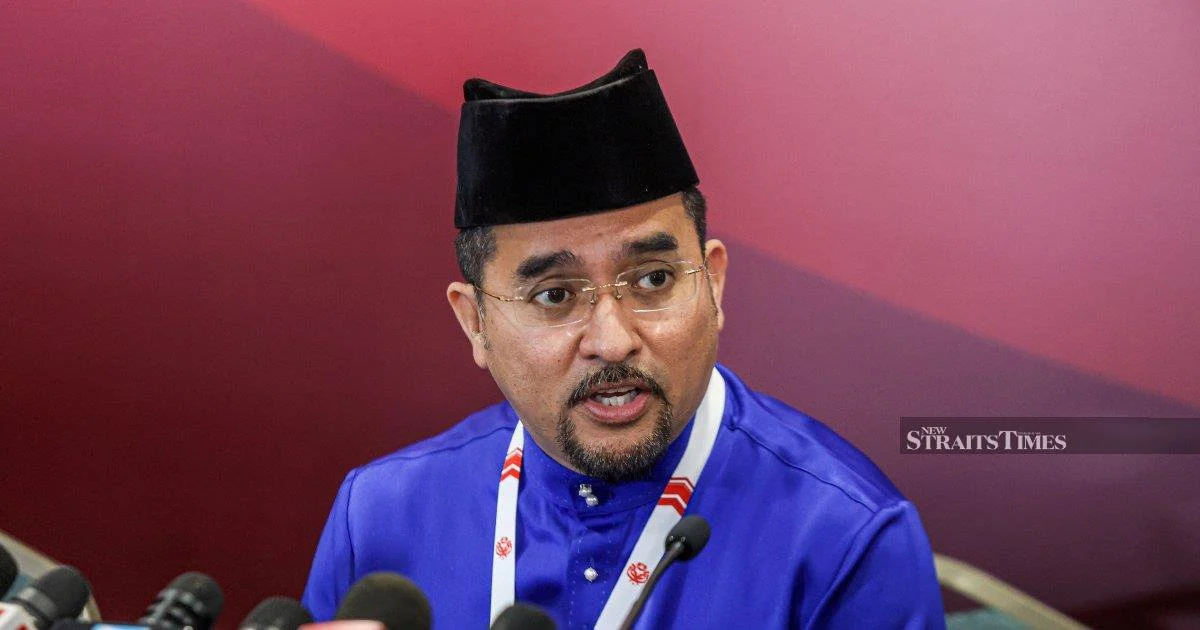
The delay in announcing Barisan Nasional's candidates for the Johor state election was prompted by the coalition's commitment to implementing a thorough and rigorous candidate evaluation process, Umno secretary-general Datuk Dr Asyraf Wajdi Dusuki has clarified. The stringent vetting mechanism, which the senior party official characterised as fundamental to BN's selection methodology, required considerable time to ensure that nominated aspirants met the coalition's standards for representation.
For Malaysian political observers, the timing and transparency of candidate selections carry substantial weight, particularly in states like Johor where demographic diversity and competing interests demand representatives capable of bridging community divides. The BN's decision to prioritise thorough evaluation over rapid announcement reflects a strategic approach aimed at preventing post-selection controversies that have historically plagued coalition politics in the region. In neighbouring Singapore and across Southeast Asia, similarly meticulous vetting procedures have become standard practice for major political blocs seeking to maintain organisational credibility and public confidence.
The vetting framework that caused the deferred timeline encompasses multiple assessment layers designed to evaluate candidates across several dimensions. Beyond basic eligibility criteria, the process examines financial propriety, community standing, and alignment with coalition principles. This comprehensive screening helps shield BN from potential embarrassments related to candidate misconduct or undisclosed conflicts of interest, issues that have previously damaged coalition brands in state and federal contests across Malaysia.
The Johor context makes candidate selection particularly consequential. As Malaysia's southernmost peninsular state and a significant economic contributor to the federation, Johor elections shape regional political dynamics and influence federal coalition stability. The state has historically served as a testing ground for Umno's organisational strength and grassroots mobilisation capabilities. Fielding well-vetted, credible candidates thus becomes essential for BN's performance in what remains a politically competitive battleground despite the coalition's traditional dominance.
Datuk Dr Asyraf Wajdi Dusuki's explanation suggests BN leadership prioritised candidate quality over expeditious announcement. This approach contrasts with opposition coalition practices in recent state contests, where compressed timelines occasionally forced hurried selections. The deliberate pace demonstrates institutional preference for risk mitigation, acknowledging that rushed candidate endorsements can create internal friction and alienate critical voter segments concerned about representation standards.
The vetting implications extend beyond individual candidate assessment to encompass demographic balance within the candidate slate. Johor's diverse population requires BN to carefully calibrate representation across ethnic communities, religious backgrounds, and geographic constituencies. Adequate evaluation time allows coalition strategists to construct a portfolio of candidates reflecting voter composition and maximising electoral appeal across various demographic zones. This balancing act demands sophisticated analysis that cannot be compressed without sacrificing strategic objectives.
From a Malaysian governance perspective, transparent candidate selection processes strengthen democratic institutions and organisational legitimacy. When political coalitions invest time in evaluating nominees, they signal commitment to elevating parliamentary and state assembly quality. This approach stands in contrast to patronage-driven systems where candidate selection reflects internal power dynamics rather than merit-based assessment. Johor voters, observing BN's methodical approach, may interpret the delay as evidence of institutional seriousness, potentially enhancing coalition prospects among swing voters prioritising competent representation.
The Umno secretary-general's public explanation of vetting procedures also serves important internal communications functions. By articulating the rationale for delayed announcement, BN addresses potential grassroots frustration among party members and allies anxious to commence campaign activities. Transparent reasoning helps maintain coalition cohesion and prevents alternative narratives—such as accusations of internal conflict or indecision—from dominating political discourse during the critical pre-election period.
Regionally, BN's deliberative approach reflects broader Asian democratic trends toward institutionalised party governance. Taiwanese, South Korean, and Indonesian coalition partners increasingly employ formalised vetting frameworks to enhance candidate quality and organisational credibility. Malaysia's positioning as Southeast Asia's most developed democracy makes such procedural rigour particularly relevant for maintaining democratic standards and international standing, especially given heightened scrutiny of electoral integrity across the region.
Looking forward, the Johor candidate announcement, once finalised, will reveal whether BN's extended vetting process yielded demonstrably superior candidate profiles compared to opposition nominees. Performance metrics—including candidate educational qualifications, professional track records, and community development experience—will become important benchmarks for evaluating whether the delay produced tangible strategic advantages. Such assessment will influence how future BN candidate selection procedures balance thoroughness against timeline efficiency.
The episode underscores fundamental tensions inherent in democratic party management: reconciling ideal candidate selection practices with practical campaign scheduling constraints. BN's resolution of this dilemma through extended vetting reflects institutional maturation and confidence that deliberative processes ultimately strengthen coalition electoral competitiveness more effectively than rushed decisions driven by arbitrary deadlines. For Malaysian political observers monitoring coalition functionality and governance quality, this approach warrants careful observation as the state election campaign progresses.