Between 2019 and February 2025, the Malaysian government lost RM10.879 billion in cooking oil subsidies that never reached their intended recipients, according to findings released by the Public Accounts Committee. The revelation has prompted serious questions about the effectiveness of the subsidy system and who bears responsibility for the massive financial leakage that has plagued one of the country's most visible social assistance programmes.
The scale of the loss underscores a fundamental paradox in Malaysia's approach to welfare spending. For years, policymakers have championed subsidy rationalisation and the shift towards more precisely targeted assistance schemes, framing these reforms as essential steps toward fiscal sustainability and ensuring that scarce resources benefit those most in need. Yet the PAC's investigation demonstrates that even as officials have implemented these supposedly improved mechanisms, billions of ringgit have effectively vanished from the system without reaching eligible households or the retail distribution network.
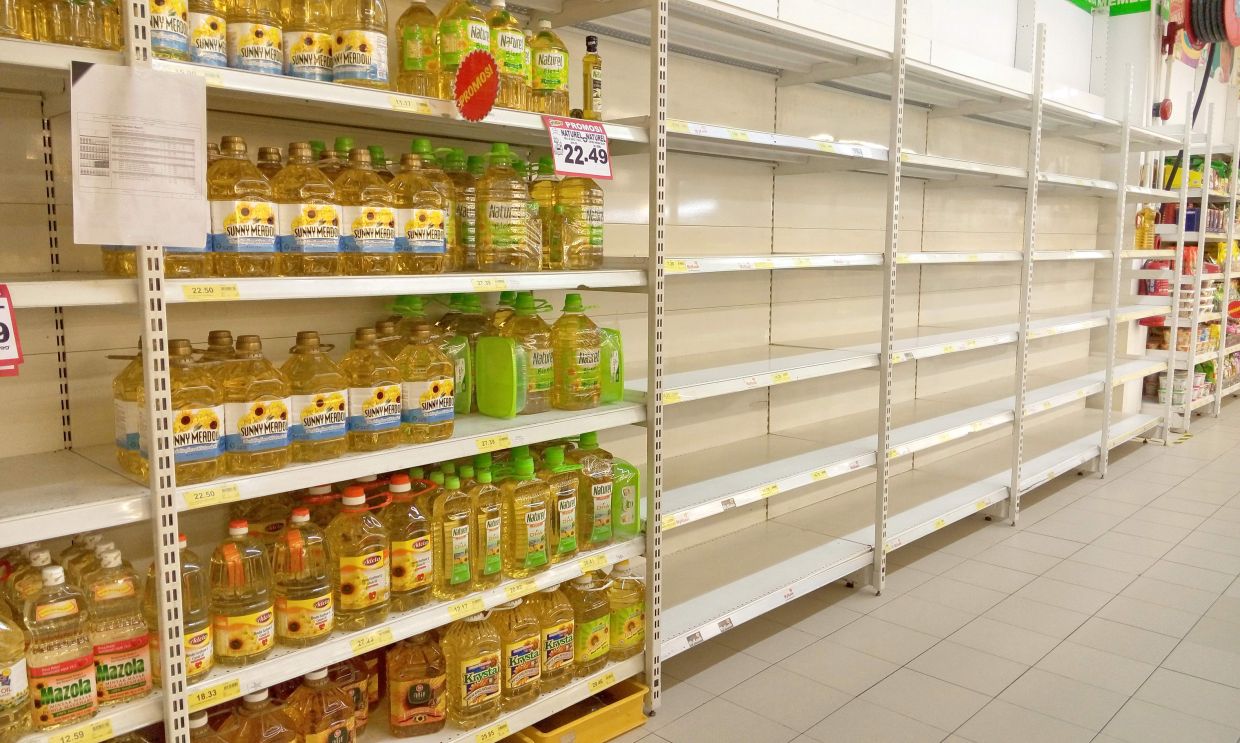
The cooking oil subsidy programme holds particular significance in Malaysia's social contract. Unlike some other subsidised goods that primarily affect manufacturing or business operations, cooking oil is a staple item in nearly every household kitchen, fundamental to daily meal preparation across the country's diverse communities. When the subsidy system fails, the consequences are both economically tangible and politically sensitive, manifesting in empty supermarket shelves, hoarding behaviour, and public frustration that reverberates far beyond simple price movements.
The leakage identified by the PAC raises uncomfortable questions about the structural vulnerabilities embedded in Malaysia's subsidy administration. Diversion of subsidised goods into parallel markets represents a well-documented challenge across developing economies, yet the sheer quantum involved suggests systematic weakness rather than isolated fraud. Whether the losses stem from inadequate supply chain monitoring, weak enforcement against hoarding, black market sales at inflated margins, or export leakage across borders, the underlying problem remains identical: the government's mechanism for ensuring subsidised goods reach intended beneficiaries contains serious gaps.
Market monitoring represents one area of apparent failure. An effective subsidy scheme requires real-time visibility into supply flows, retail pricing, and consumer access patterns. Without such visibility, authorities cannot detect when products disappear from the formal distribution system or identify bottlenecks that create artificial scarcity despite substantial government expenditure. The absence of such monitoring capacity suggests either insufficient investment in oversight infrastructure or inadequate coordination between agencies responsible for price control, market surveillance, and consumer protection.
Enforcement mechanisms also appear to have proven inadequate to the task. Malaysia has legislative frameworks and regulatory agencies designed to prevent hoarding, ensure fair pricing, and prevent diversion of subsidised goods. Yet the magnitude of leakage suggests these enforcement tools have not been deployed with sufficient vigour or coordination. Whether enforcement officers have lacked resources, political support, or clear operational guidance, the result is identical: those earning unearned profits through subsidy arbitrage face insufficient consequences to deter their conduct.
From a fiscal perspective, RM10.879 billion represents resources that could have been deployed toward infrastructure, healthcare, education, or other development priorities. For context, that sum could construct or rehabilitate hundreds of kilometres of highways, establish new medical facilities, or expand skills training programmes across the country. Instead, it has essentially been transferred to those who have exploited the subsidy system's vulnerabilities—a regressive outcome given the government's stated commitment to helping lower-income Malaysians.
The timing of the PAC findings carries additional significance for regional policymakers and investors observing Malaysian fiscal management. As the government pursues economic transformation and seeks to demonstrate improved governance and financial discipline, subsidy leakage on this scale undermines those narratives. It suggests that despite rhetorical commitment to reform, implementation gaps remain substantial, particularly in areas requiring sustained coordination across multiple agencies and political willingness to confront vested interests.
Accountability mechanisms for this loss remain ambiguous. The PAC can investigate and report, but ultimate responsibility flows through numerous organisations—Finance Ministry officials responsible for budgetary oversight, trade and consumer affairs departments managing price controls, the police and authorities tasked with enforcement, and supply chain actors from manufacturers to retailers. When responsibility is diffused across so many institutions, genuine accountability frequently dissolves, with each organisation deflecting blame toward others or citing resource constraints beyond their control.
Moving forward, restoring effectiveness to the subsidy system will require more than rhetorical recommitments to efficiency. It demands real-time supply chain transparency through digital tracking systems, substantially strengthened enforcement with clear consequences for violators, and institutional coordination mechanisms that eliminate the silos preventing effective action. Thailand and Vietnam have experimented with blockchain-based tracking for subsidised commodities, approaches worth serious evaluation by Malaysian policymakers.
For Malaysian consumers navigating persistent cooking oil scarcity despite government expenditure exceeding RM10 billion over the past five years, the PAC's findings confirm what they have experienced directly: the subsidy system is broken. Rebuilding public confidence will require not merely identifying where the system failed, but demonstrating genuine institutional capacity to address those failures and prevent their recurrence. Until that capacity is demonstrated, each announcement of subsidy programmes will be met with justifiable scepticism from citizens who have witnessed billions evaporate without corresponding benefit to their daily lives.

