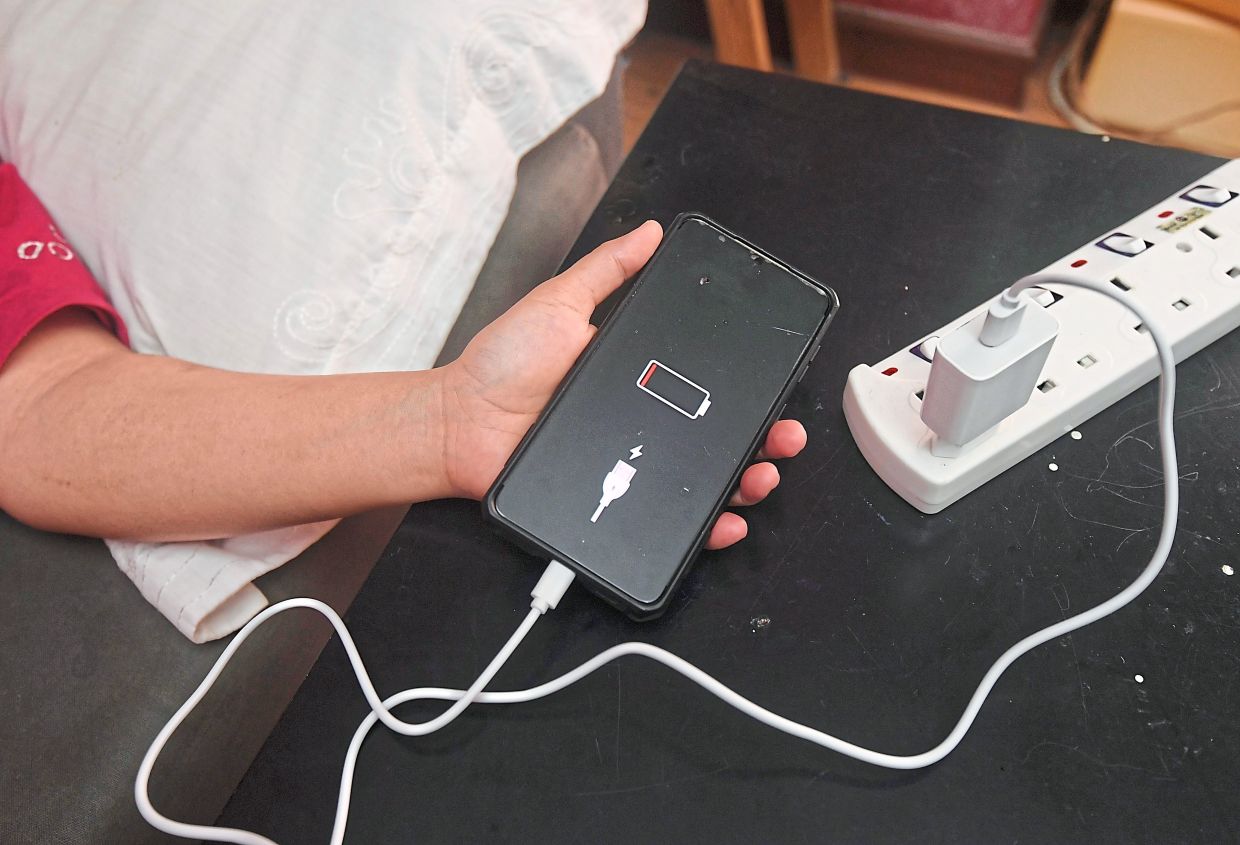
Malaysia's fire service has sounded a fresh alarm about the mounting dangers of careless device charging, revealing that unsafe charging practices triggered 59 domestic fires between 2023 and 2025, consuming over RM14.2 million in property damage across the nation. The statistics, disclosed by the Department of Fire and Rescue Services (JBPM), expose a persistent vulnerability in household safety that authorities say continues to plague Malaysian homes despite decades of fire prevention campaigns.
The geographic distribution of these incidents tells a cautionary tale concentrated in East and northern Malaysia. Sarawak emerged as the hardest-hit state, with 11 confirmed cases resulting in approximately RM9.7 million in losses—nearly 68 percent of the national total. Kelantan followed as the second most affected region, documenting 17 fire incidents that destroyed property valued at RM1.14 million, while Sabah recorded three cases with RM806,800 in damages. This clustering suggests regional patterns in unsafe practices or potentially inadequate enforcement of electrical safety standards in these areas.
The remaining affected states paint a picture of widespread vulnerability. Selangor, Malaysia's most densely populated state, reported five incidents causing RM661,040 in losses, while Penang's nine cases resulted in RM537,125 in damages. Johor experienced two fire incidents totalling RM470,000, Putrajaya one case costing RM387,000, Melaka four fires destroying RM214,810 worth of property, Terengganu two incidents causing RM175,000 in losses, and Perak five cases resulting in RM95,750 in damages. Notably, six states—Kedah, Negri Sembilan, Pahang, Perlis, Kuala Lumpur and Labuan—recorded no device-charging-related fire incidents during this period, suggesting that either preventive measures are more effective in these areas or reporting mechanisms differ.
Firefighters emphasise that investigating device-charging fires demands nuanced expertise beyond simply quantifying financial losses. Each incident presents distinct technical and safety challenges requiring meticulous forensic analysis. The complexity of determining how a fire originated depends heavily on multiple variables: the precise location within a room, the specific type of electronic device involved, the degree to which heat and flames have consumed critical evidence, hazardous conditions present at the scene, and the engineering data that fire investigators must extract and analyse from charred components. This recognition underscores why authorities cannot simply rank fire incidents by monetary value when assessing their severity or investigative priority.
The most intractable cases frequently involve scenarios that demand extensive scientific analysis combined with rigorous safety protocols and the challenging task of reaching definitive conclusions from physical evidence that may be severely compromised by fire damage. A sophisticated investigation into a relatively small fire might require more technical resources and expertise than an examination of a larger blaze where evidence remains comparatively intact. This reality shapes how Malaysia's fire service allocates investigative personnel and laboratory resources when responding to electrical fires across the nation.
JBPM's investigation has catalogued the recurring patterns of dangerous behaviour that precede these catastrophic incidents. Overnight charging without human supervision emerges as particularly risky, as fires can ignite during hours when residents sleep and escape routes become obscured by smoke. The use of counterfeit or uncertified charging cables and power adapters—often purchased because they cost significantly less than genuine products—creates conditions for electrical overload and short circuits. Equally alarming is the common practice of charging devices directly on flammable household items such as beds, pillows, sofas and blankets, where heat accumulation cannot dissipate safely into surrounding air.
Additional hazardous behaviours identified by authorities include connecting too many devices to single power outlets through overloaded extension strips, and continuing to use electronic devices showing obvious signs of malfunction or deterioration. Batteries that visibly swell, devices that generate excessive heat during normal use, equipment emitting burning smells, and cables with visible damage all signal imminent electrical failure. Many Malaysians, however, persist in operating such compromised devices because replacement costs represent a significant household expense, placing financial considerations above fire safety concerns.
The root cause underlying these unsafe practices lies partly in consumer attitudes toward cost versus safety. JBPM identifies a persistent tendency among Malaysian households to prioritise cheaper electrical accessories over certified products meeting recognised safety standards. This economic calculation ultimately increases exposure to equipment that cannot adequately regulate electrical current, manage heat generation, or prevent short circuits. The false economy of purchasing unbranded chargers and cables for ringgit savings creates genuine risk of catastrophic property loss and potential loss of life.
To meaningfully reduce device-charging fires, JBPM recommends that households avoid charging any electronics on soft furnishings, immediately replace damaged power sockets and electrical cables, and invest exclusively in chargers bearing SIRIM certification—Malaysia's national standards mark—or equivalent international safety approvals. These preventive measures require minimal financial outlay compared to rebuilding a home destroyed by fire or replacing all personal possessions consumed by flames. The department emphasises that public consciousness regarding safe charging practices remains inadequately developed, suggesting that awareness campaigns have failed to reach broad segments of the Malaysian population effectively.
Moving forward, JBPM has committed to intensifying its role in fire prevention through expanded public education initiatives, preventive outreach directly targeting vulnerable communities, and deepened cooperation with government agencies responsible for consumer product safety and electrical standards enforcement. Without sustained intervention, the trajectory suggests that device-charging fires will continue claiming Malaysian homes, destroying irreplaceable family belongings and occasionally ending lives. The convergence of affordable electronics, cost-conscious consumers, and limited safety awareness creates a volatile combination that requires sustained national attention and investment in behavioural change.