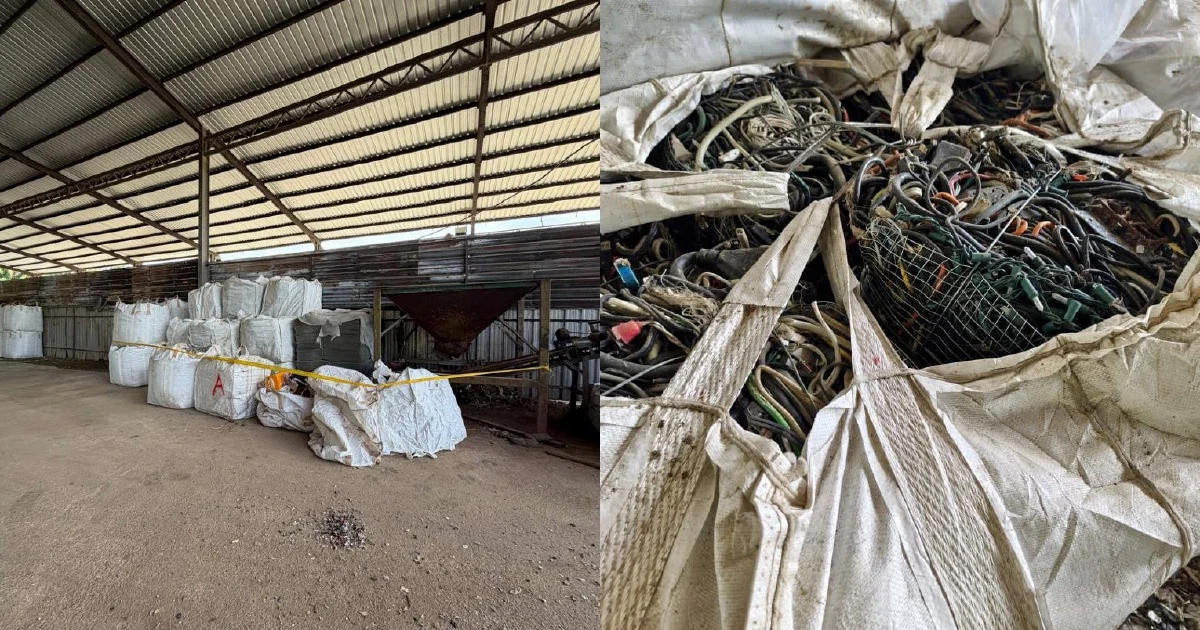
Enforcement agencies have dealt a significant blow to illegal electronic waste trafficking in Penang's Bukit Mertajam district, confiscating approximately RM3 million in illicit e-waste materials during a coordinated raid on an unlicensed facility. The operation, conducted yesterday, resulted in the arrest of five individuals implicated in running the clandestine processing and storage operation that had been flagged by environmental monitors.
The facility in question was operating without proper licensing or adherence to hazardous waste management protocols, presenting substantial risks to both public health and environmental safety. E-waste contains hazardous substances including lead, mercury, cadmium, and various toxic compounds that can contaminate soil and water systems when disposed of improperly. The scale of the seizure underscores the persistence of illicit e-waste operations across Malaysia despite strengthened enforcement frameworks in recent years.
The raid reflects intensified crackdowns by authorities tasked with combating environmental crimes, particularly those involving hazardous materials. Such operations typically target facilities engaged in dismantling, processing, or stockpiling discarded electronics without meeting regulatory standards or obtaining necessary certifications from the Department of Environment. These unlicensed operators often export materials to neighbouring countries or process them using crude methods that bypass environmental safeguards entirely.
The five suspects detained during the operation are currently assisting investigations into the facility's operations, supply chains, and market networks. Authorities are examining whether the operation was part of a larger trafficking network moving e-waste across Malaysia or into regional markets. Such investigations frequently reveal connections between multiple illegal processing sites operating simultaneously across different states.
Malaysia faces mounting pressure from accumulating e-waste as consumer electronics consumption continues expanding. The country generates substantial quantities of discarded computers, mobile phones, televisions, and other electrical equipment annually, creating lucrative opportunities for unlicensed operators willing to accept these materials at below-legal processing rates. This cost advantage drives demand from businesses seeking cheaper waste management solutions than regulated facilities can provide.
The environmental implications of uncontrolled e-waste processing extend beyond immediate contamination. Workers at illegal facilities face occupational hazards from unprotected exposure to toxic materials, while communities neighbouring such operations experience degraded air and water quality. Additionally, valuable materials including copper, gold, and rare earth elements are recovered inefficiently through crude methods, representing significant resource losses compared to responsible recycling processes.
For Malaysian manufacturers and retailers, the persistence of illegal e-waste operations complicates extended producer responsibility initiatives. Many companies have invested in establishing compliant recycling channels and product take-back programmes, only to face undermined market competition from businesses exploiting underground waste streams. This structural disadvantage incentivises continued enforcement action against unlicensed operators.
Regionally, Malaysia's battle against e-waste trafficking mirrors challenges across Southeast Asia, where porous borders and varying regulatory standards enable cross-border movement of hazardous materials. Several neighbouring countries have reported receiving shipments of e-waste mislabeled as second-hand goods or spare parts, with Malaysian origins documented in some seizures. International cooperation mechanisms remain underdeveloped despite the transnational nature of the problem.
The Bukit Mertajam facility's configuration as both processing and storage operation suggests potential involvement in material aggregation for export. Authorities typically discover such sites stockpiling materials awaiting shipment to ports or border points, with buyers identified in countries offering lower environmental standards or willing markets for recovered materials extracted through hazardous processes.
Those charged in connection with illegal e-waste operations face penalties under the Environmental Quality Act and potentially the Hazardous Waste and Other Pollutants Act, with maximum sentences and substantial fines reflecting the gravity of environmental crimes. However, enforcement experts argue that penalties alone insufficient to deter operations, noting that profit margins from illegal processing often far exceed likely fines following conviction.
Moving forward, authorities indicate heightened surveillance of facilities suspected of illegal e-waste activity, with intelligence-sharing between state environmental departments and federal agencies intensified. Community reporting mechanisms have also proven valuable in identifying clandestine operations, with members of the public encouraged to report suspected illegal facilities to enforcement hotlines.
The seizure contributes to Malaysia's environmental crime statistics, demonstrating continued commitment to eliminating unlicensed hazardous waste handlers. However, experts warn that individual operations dismantled represent only visible portions of underground economies, with demand-side enforcement targeting businesses illegally outsourcing e-waste disposal equally important for long-term progress. Sustained investment in licensed recycling infrastructure and circular economy initiatives remains essential for addressing root causes of illegal e-waste generation.