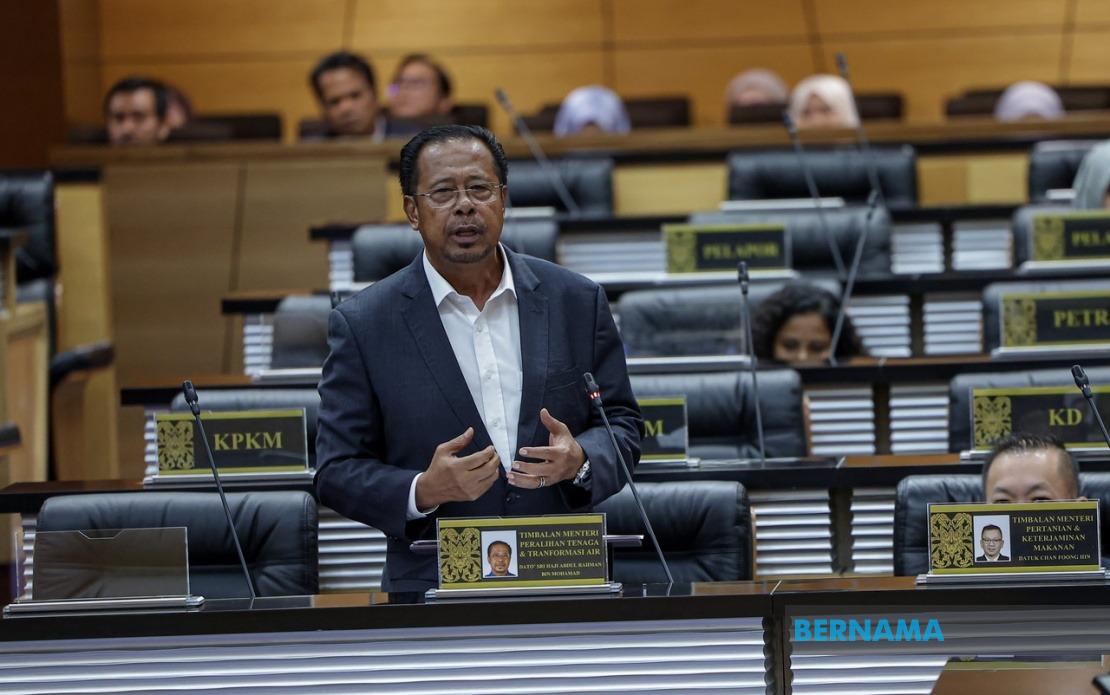
The federal government is moving forward with a RM99.8 million Integrated River Basin Development project targeting Sungai Skudai in Johor, which Deputy Minister of Energy Transition and Water Transformation Datuk Seri Abdul Rahman Mohamad announced will deliver substantial flood mitigation benefits to around 15,000 residents in the river basin. Unveiled during a Dewan Rakyat Special Chamber session, the initiative represents a significant intervention in one of Johor's most flood-prone river systems and underscores the government's commitment to addressing recurring inundation problems affecting the state's densely populated lowland areas.
The project sits within the 12th Malaysia Plan framework and currently remains in its preparatory phase, with technical groundwork and feasibility studies dominating the timeline through 2027. A consultant tasked with detailed planning and site investigations was engaged in May 2025 and is presently developing the project's foundational concept report. Survey operations commenced in November 2025 with an anticipated completion date of May 2027, while land acquisition procedures—which started in June 2026—are scheduled to conclude by August of this year. This staggered approach reflects the complexity of coordinating multiple stakeholder interests and securing necessary property rights along the 46-kilometre river corridor.
The 46-kilometre Sungai Skudai will undergo comprehensive bank stabilisation work as part of the main initiative, with strategic sections widened to approximately 15 metres to enhance water-carrying capacity during monsoon seasons and heavy rainfall events. These engineering modifications directly address the drainage system's current limitations, which have historically resulted in overflow conditions affecting residential communities and commercial zones throughout the catchment area. By improving flow dynamics and expanding the channel's hydraulic efficiency, the project aims to substantially reduce inundation frequency in localities that have experienced repeated flooding cycles in recent decades.
Beyond flood control, the development encompasses broader environmental and socioeconomic objectives that align with Malaysia's river restoration agenda. The initiative is designed to rehabilitate the Sungai Skudai ecosystem, which has deteriorated due to urban encroachment, industrial discharge, and inadequate riparian management. Enhanced navigability within the river channel will particularly benefit local fishing communities whose livelihoods depend on waterway access, addressing a concern raised by parliamentary member Suhaizan Kaiat during the chamber discussion. Additionally, the project strengthens operational readiness for maritime security and emergency response agencies operating throughout the basin, creating synergies between flood prevention and broader coastal security frameworks relevant to Malaysia's maritime interests.
The ministry has simultaneously launched six smaller-scale interim measures totalling approximately RM700,000 to provide immediate relief while awaiting full project implementation. These targeted interventions focus on identified flood hotspots, including five vulnerable zones within the Kulai area, where localised drainage bottlenecks have consistently exacerbated inundation risks. This dual-track approach—combining short-term spot improvements with long-term systemic redesign—reflects pragmatic water management strategy that acknowledges both urgent resident protection needs and the inevitably extended timelines inherent in large infrastructure projects involving complex land negotiations and environmental approvals.
Procurement and contractor selection will commence after technical requirements are formally satisfied, with physical construction anticipated to begin in the middle of 2027. This timeline, contingent upon successful survey completion and resolved land acquisition matters, positions the project for substantive on-ground progress within the next three years. The ministry's stated commitment to adhering to this schedule represents a significant promise to the Johor communities currently vulnerable to seasonal flooding, particularly given the state's geographic positioning in peninsular Malaysia's wettest regions and its exposure to southwest monsoon precipitation.
The Sungai Skudai initiative carries particular relevance for Malaysian readers given its implications for flood resilience across the peninsula's southern corridor. Johor's rapid urbanisation and industrial development have intensified hydrological stress on traditional river systems, creating accumulated flood vulnerability that transcends individual river basins. The successful implementation of integrated river basin development models, as demonstrated through this project, provides a replicable framework for addressing similar challenges in other Malaysian states confronting comparable urbanisation-driven hydrology problems. This precedent may influence future water management policy discussions and resource allocation decisions affecting flood-prone regions nationwide.
Parallel to the Sungai Skudai announcement, the Ministry of Works confirmed that the RM174.53 million Phase Three upgrading project for Pasir Gudang Highway (FT17) would bypass potential land acquisition complications involving Keretapi Tanah Melayu Berhad (KTMB) railway property. Works Minister Datuk Seri Alexander Nanta Linggi clarified that construction activities near railway infrastructure will proceed through work permits and right-of-way agreements rather than property acquisition, eliminating a previously anticipated implementation bottleneck. This arrangement demonstrates inter-agency coordination capacity within Malaysia's federal infrastructure framework, where transport ministry cooperation prevents project delays stemming from competing land use claims.
The FT17 highway upgrade phase, scheduled for February 2027 through December 2028, represents a complementary infrastructure development enhancing regional connectivity within Johor's Pasir Gudang industrial and commercial zone. When combined with the Sungai Skudai river basin project, these concurrent initiatives illustrate integrated infrastructure planning that simultaneously addresses flood mitigation, transportation efficiency, and economic development imperatives. Such coordination between water management and land transport authorities reflects sophisticated project governance, though successful execution will ultimately depend upon sustained funding, effective stakeholder engagement, and adaptive management capacity as projects progress through implementation phases.
For Malaysian policymakers and infrastructure planners, the Sungai Skudai project exemplifies the escalating costs and extended timelines required for addressing infrastructure deficits accumulated across decades of rapid urbanisation. The RM99.8 million investment, while substantial, represents necessary recalibration of hydrological systems struggling under contemporary urban demands. The multi-year timeline extending beyond 2027 underscores that infrastructure resilience improvement requires patient capital deployment and long-term commitment extending across political cycles. Success in this initiative will generate valuable implementation experience and lessons applicable to similar river basin development challenges throughout Malaysia's urban lowlands, where flood risk management increasingly defines quality-of-life outcomes for expanding resident populations.

