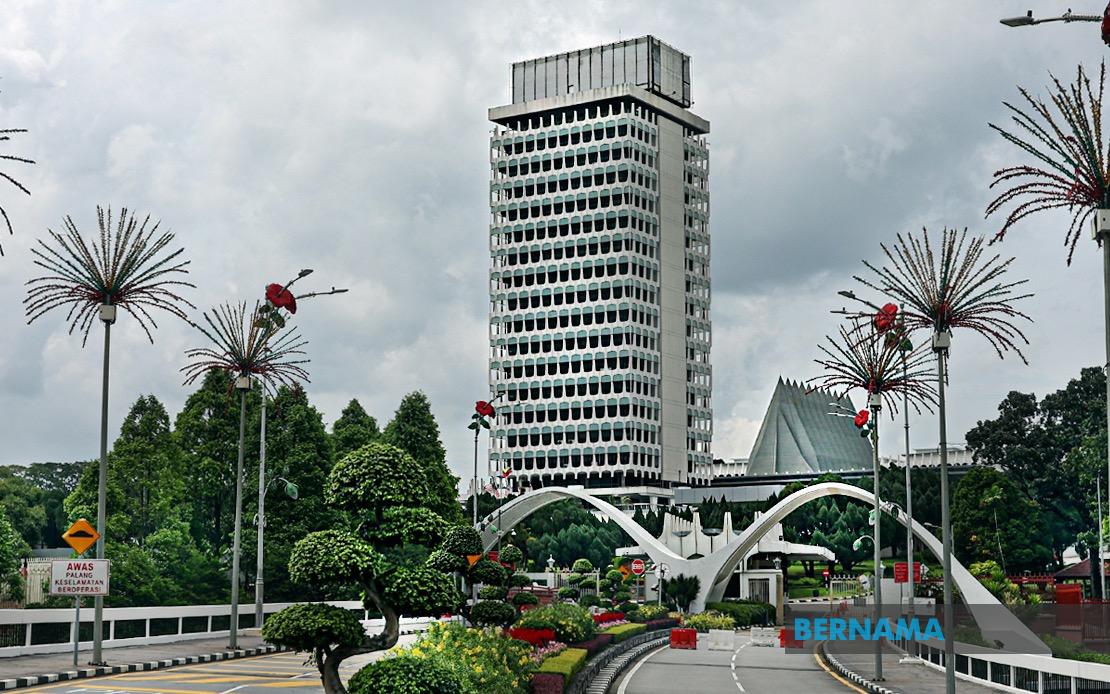
Malaysia's Parliament has managed to pass just one piece of legislation during its inaugural week of sitting, underscoring a measured pace in the current parliamentary calendar. The Road Transport (Amendment) Bill 2026 cleared all stages from June 22 to June 26, marking the legislative body's sole achievement in the first week of the Second Meeting of the Fifth Session of the 15th Parliament. Transport Minister Anthony Loke characterised the new law as a crucial step forward in combating a persistent public safety concern that has plagued Malaysian roads for years.
The amendment introduces Section 42A to existing transport legislation, a provision specifically designed to empower law enforcement to intervene in illegal racing activities before they result in tragedy. Previously, authorities faced significant legal constraints, requiring them to demonstrate proof of actual danger or concrete harmful outcomes—injuries or fatalities—before acting against suspected street racers. This structural weakness in the legislation meant that dangerous conduct often went unpunished unless it had already caused demonstrable harm. The new section eliminates this reactive approach, allowing enforcement agencies to move swiftly against illegal racing at its inception, thereby preventing potential casualties rather than merely responding to them.
The practical implications of this amendment extend beyond simple legal procedure. Malaysian roads, particularly in urban areas, have witnessed repeated incidents of organised illegal racing that terrorise other motorists and pedestrians. By shifting enforcement from a consequence-based model to a conduct-based one, authorities gain the flexibility to pursue cases that previously slipped through legal cracks. Loke indicated that his ministry recognises this represents an incomplete solution to the broader problem of road safety and has already begun preparing a second amendment to the Road Transport Act that would address compensation mechanisms for victims harmed by impaired driving.
This forthcoming amendment signals recognition among policymakers that deterrence through punishment alone has proven insufficient. The proposed changes would establish a compensation framework for accident victims or their bereaved families when drivers operating under the influence of alcohol or drugs cause collisions, operating independently of and in addition to existing criminal fines and imprisonment penalties. This approach mirrors international practice in several developed nations and acknowledges that medical, rehabilitation, and funeral costs impose severe financial burdens on families already suffering trauma and loss. Implementation is slated for later in 2026.
Beyond the single successful bill, Parliament's agenda for the week reflected a broader range of legislative ambitions that encountered procedural setbacks. The Prison (Amendment) Bill 2026, which aims to modernise correctional facility operations through electronic monitoring systems and volunteer-based rehabilitation initiatives, has been temporarily withdrawn from consideration. Parliamentary authorities determined that the measure required deeper scrutiny within the specialist Parliamentary Select Committee system, suggesting either technical complexities or substantive policy questions warranted additional refinement before full floor debate.
Four additional bills advanced to first reading stage, representing the formal introduction of proposed legislation to Parliament's membership. These measures address distinct policy areas reflecting current national priorities: the Sexual Offences Against Children (Amendment) Act 2026 continues efforts to strengthen child protection frameworks; the Competition (Amendment) Bill 2026 and Competition Commission (Amendment) Bill 2026 indicate ongoing refinement of Malaysia's competition law architecture; and the Cybercrime Act 2026 proposes wholesale replacement of the Computer Crimes Act 1997, suggesting recognition that quarter-century-old legislation no longer adequately addresses contemporary digital threats.
Parliamentary operations saw other significant developments during the week. Dewan Rakyat Speaker Tan Sri Johari Abdul formally confirmed that Larut MP Datuk Seri Hamzah Zainudin has resumed his position as opposition leader, effective from June 18. Additionally, two parliamentary seats—Pandan and Setiawangsa—were declared vacant following the May 18 resignations of Datuk Seri Rafizi Ramli and Nik Nazmi Nik Ahmad respectively. The Election Commission received formal notification, triggering constitutional procedures for eventual by-elections under Article 54(1) of the Federal Constitution. These administrative matters, while routine, reflect the ongoing management of Parliament's membership and leadership structures.
Minister's Question Time, traditionally a forum for parliamentary scrutiny of the executive, operated somewhat atypically during the opening week. Prime Minister Datuk Seri Anwar Ibrahim, whose schedule is perpetually crowded with diplomatic and international obligations alongside domestic governance demands, was unavailable on the scheduled sitting days. Relevant sectoral ministers fielded questions within their portfolios instead, a pragmatic arrangement that maintained parliamentary accountability procedures despite executive-level constraints. This compromise, common in practice across Westminster-influenced parliaments, illustrates the ongoing tension between prime ministerial availability and parliamentary process.
Parliamentary Select Committees, which Parliament has increasingly prioritised as mechanisms for detailed legislative scrutiny and policy development, received dedicated time for presenting and debating their reports. This reallocation of floor time reflects institutional efforts to strengthen committee functions and encourage broader parliamentary participation beyond executive-dominated proceedings. The committees' investigations and recommendations shape subsequent legislative agenda, making their reports integral to policy formation.
Debates throughout the week gravitated toward several pressing national concerns. Unemployment emerged as a focal point, with Human Resources Minister Datuk Seri R. Ramanan reporting that 42,807 workers faced retrenchment between January and June 12. Company closures and workforce reduction programmes accounted for these displacements, a pattern reflective of broader economic adjustment pressures. However, Economy Minister Akmal Nasrullah Mohd Nasir offered cautiously optimistic analysis, noting that June job losses declined 20 per cent relative to May while labour force participation held steady at 70.9 per cent, suggesting marginal labour market stabilisation.
Border security occupied substantial parliamentary discussion, with Home Minister Datuk Seri Saifuddin Nasution Ismail announcing government approval for RM22 million in capital expenditure to equip the Malaysia Border Control and Protection Agency. Firearms acquisition and supplementary operational equipment represent strategic investments in frontier enforcement capacity, reflecting persistent concerns regarding cross-border trafficking, irregular migration, and security threats demanding enhanced agency capabilities. Energy and commodity supply chain resilience also featured prominently, with the Ministry of Plantation and Commodities signalling cautious evaluation of B50 biodiesel programme expansion contingent upon feasibility assessments of depot infrastructure costs.
Digital safety and child protection regulations initiated on June 1 drew communications minister attention, with Datuk Fahmi Fadzil emphasising mandatory age-verification mechanisms required of social media platforms under the Child Protection Code and Risk Mitigation Code. Non-compliance exposures include penalties reaching RM10 million pursuant to the Online Safety Act 2025, establishing significant financial incentives for platform compliance. These regulations reflect global trends toward legislative intervention in digital platform operations, balancing free expression against child safety imperatives.
The current parliamentary session extends across 16 sitting days from June 22 through July 16, providing adequate calendar space for the remaining bills and agenda items to progress through legislative stages. The deliberate pace evident in the opening week suggests Parliament intends to maintain thorough vetting procedures despite legislative volume, a methodical approach that may prioritise quality of deliberation over quantity of passage.

