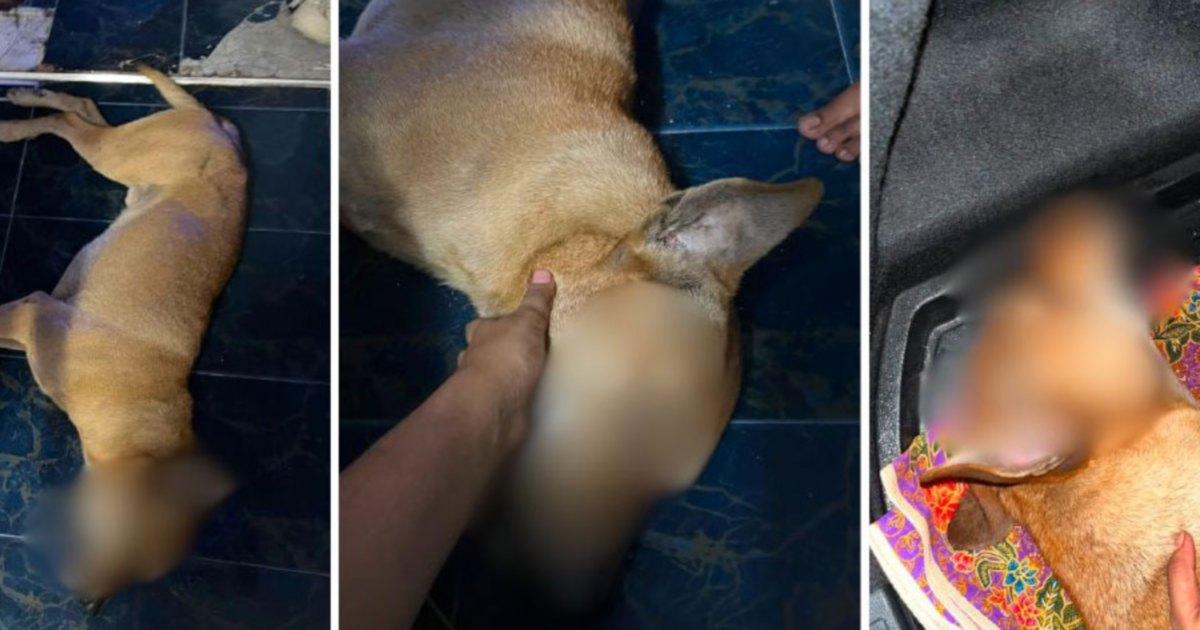
Investigators have forwarded their complete file on the death of Rocky, a dog whose demise in Klang sparked significant public outcry, to the Deputy Public Prosecutor in what marks a crucial advancement in the probe. The submission indicates that the investigation phase has concluded and the matter now enters prosecutorial consideration, where authorities will determine what action, if any, should be pursued in the case that captured the attention of animal welfare advocates across the country.
The circumstances surrounding Rocky's death resonated deeply with Malaysia's growing animal welfare community, prompting widespread discussion on social media and among pet owners. The incident brought renewed focus to how incidents involving animals are handled within the criminal justice system and whether existing laws adequately protect vulnerable creatures from harm or neglect. Public interest in the case reflected broader concerns about animal protection standards and accountability for those responsible for their care.
Transferring the investigation papers to the DPP represents a standard procedural step when authorities believe sufficient evidence has been gathered. At this stage, prosecutors will review the materials collected during the investigation to assess whether criminal charges should be filed, if more information is needed, or if alternative resolutions might be appropriate. This transitional phase can be decisive in determining whether the matter proceeds to court or concludes without formal charges.
The role of the DPP in cases involving animal deaths has become increasingly significant as public awareness of animal cruelty and neglect grows in Malaysia. The office must balance the seriousness with which society now views such incidents against established legal precedents and the sufficiency of evidence. Their decision will likely set expectations for how similar cases are treated going forward, particularly as animal welfare continues gaining prominence in public discourse.
Malaysia's legal framework governing animal welfare includes provisions under the Animal Act 1953, which addresses cruelty and suffering. However, prosecution in such cases can prove challenging, requiring clear demonstration of intent or recklessness. The submission to the DPP will test how thoroughly investigators documented facts and whether those facts align with existing statutory definitions of offences. The complexity of proving culpability in animal death cases often determines outcomes.
Public perception plays an undeniable role in high-profile animal incidents. The Rocky case garnered sufficient attention that the DPP's office will likely feel pressure to carefully substantiate their decision, whatever it may be. Transparency in such cases becomes important for maintaining public confidence in the justice system's commitment to protecting animals. Any eventual ruling, whether it results in charges or closure, will communicate whether the system takes animal protection seriously.
For Malaysian pet owners and animal advocates, this case represents a test of institutional responsiveness. The progression from investigation to prosecutorial review demonstrates that authorities can move cases forward, yet the ultimate outcome remains uncertain. The DPP's assessment will reveal whether the gathered evidence meets the threshold for criminal liability or whether regulatory gaps limit legal options available to prosecutors.
The broader implications extend to how local authorities across Klang, Selangor, and the nation treat similar incidents in future. If the DPP declines to prosecute despite public interest, it may prompt calls for legislative amendments to strengthen animal protection statutes. Conversely, if charges are filed and result in conviction, it could establish precedent encouraging more aggressive prosecution of animal-related offences. Either way, the office's decision will influence how such cases are pursued nationwide.
The investigation's submission also reflects operational efficiency within enforcement agencies, suggesting that relevant authorities conducted their enquiries within a reasonable timeframe. For a case that drew public attention and potentially generated significant paperwork, the transition to the DPP indicates momentum in the process. Speed in moving between investigative and prosecutorial phases can matter to complainants and observers who worry that public interest may fade without resolution.
Stakeholders including animal welfare organisations and concerned citizens now await the DPP's decision. The outcome will likely be communicated through official channels, and public reaction will probably follow swiftly. This case has become emblematic of a broader conversation in Malaysia about legal protections for animals and whether current frameworks adequately deter harm. The Deputy Public Prosecutor's review thus carries significance beyond the particulars of Rocky's death, potentially influencing how society and institutions address animal welfare across the region.

