Rohas has officially cleared a significant regulatory hurdle after the Malaysian Anti-Corruption Commission (MACC) concluded its investigation into HG Power Transmission without recommending any prosecutions or further enforcement measures. The announcement, made through a filing to Bursa Malaysia, marks an important milestone for the company as it seeks to move beyond the uncertainty that surrounded the probe.
The investigation's closure removes a cloud of regulatory scrutiny that had hung over the company's operations and financial performance. For Rohas shareholders and stakeholders, the outcome signals that the inquiry found no evidence warranting criminal charges or ongoing enforcement action. This provides clarity on a matter that had created operational and reputational considerations for the energy transmission-focused group.
The lifting of seizure orders—though details of what assets were initially frozen remain limited in the public announcement—represents a restoration of the company's operational flexibility. Seizure orders, typically imposed during active investigations to preserve evidence or prevent asset dissipation, can significantly hamper a company's ability to manage cash flows, dispose of assets, or execute contracts effectively. Their removal suggests the investigation has gathered necessary information and no longer requires such restrictive measures.
For Malaysian investors monitoring governance standards and regulatory compliance, the MACC's involvement in any corporate investigation carries substantial weight. The commission has established itself as a robust enforcement agency tackling corruption across both public and private sectors. When such bodies conclude investigations without action, it provides independent validation of a company's conduct, though it is important to note that absence of findings does not necessarily constitute a clean bill of health—rather, it indicates insufficient evidence of wrongdoing to warrant prosecution.
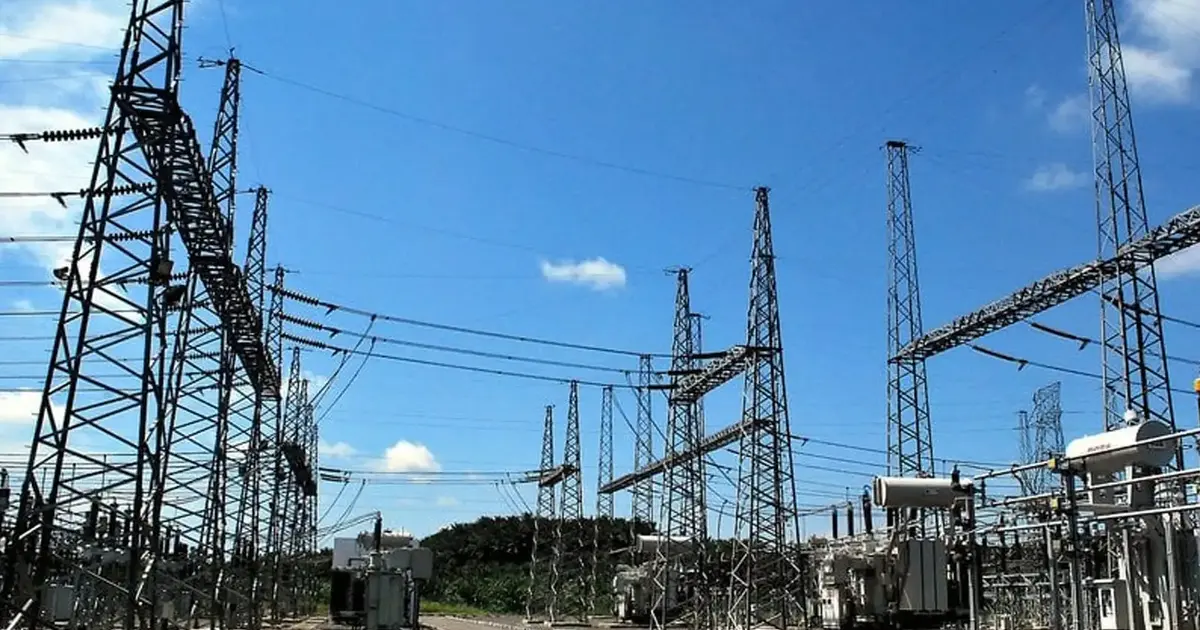
HG Power Transmission operates within Malaysia's energy infrastructure sector, a critical domain where regulatory oversight remains intense. Questions around procurement practices, contract awards, and governance standards in power transmission projects are routinely examined by authorities to safeguard public interest and market integrity. The sector's importance to national economic development means that companies operating here face heightened scrutiny compared to less strategically significant industries.
The timing of this announcement carries implications for Rohas's strategic planning and investor relations efforts. Companies emerging from MACC investigations often experience a period of renewed investor interest as the uncertainty dissipates. However, momentum can be fragile, particularly if the investigation revealed any systemic issues even if insufficient for prosecution, or if the company's governance frameworks require enhancement to restore full market confidence.
For peers and competitors in Malaysia's transmission and power infrastructure space, this development serves as a reminder that regulatory bodies are actively monitoring the sector. The investigation, whatever its specific focus, would have involved deep examination of business records, practices, and decision-making processes. Other companies should view this as an impetus to strengthen their own compliance frameworks, documentation practices, and governance standards proactively rather than reactively.
The broader context of corporate governance in Malaysia has evolved significantly over recent years, with regulators, institutional investors, and the market demanding higher standards of transparency and accountability. Companies like Rohas that navigate through official investigations and emerge without findings gain opportunities to position themselves as governance leaders. This can translate into improved market sentiment, better access to financing, and stronger relationships with institutional stakeholders who increasingly factor ESG (Environmental, Social, and Governance) criteria into investment decisions.
From a Southeast Asian investment perspective, Malaysia's regulatory infrastructure—including the MACC's powers and independence—is viewed positively by regional and international investors as evidence of institutional strength. When such bodies conduct thorough investigations and apply consistent standards, it enhances confidence in the market as a whole. Rohas's successful resolution of this particular matter contributes incrementally to market credibility.
Looking forward, companies should recognize that concluding an investigation without prosecution does not necessarily mean the underlying issues that prompted investigation inquiry no longer merit attention. Industry participants often use such episodes as catalysts for voluntary governance improvements, enhanced disclosure practices, and strengthened internal controls—steps that go beyond minimum regulatory requirements to position themselves favorably with sophisticated stakeholders.
The company has not yet detailed whether it intends to pursue any corporate communications strategy to rebuild market perception or address stakeholder concerns that may have developed during the investigation period. Transparent disclosure regarding any operational adjustments, governance enhancements, or procedural improvements undertaken could substantially amplify the positive impact of the MACC's conclusion on investor confidence.
For Rohas specifically, this resolution provides an essential foundation for refocusing management attention and corporate resources on business development and operational excellence rather than regulatory defense. The company now has an opportunity to demonstrate that it has emerged from scrutiny with strengthened governance practices and renewed commitment to the standards expected in Malaysia's corporate sector.

