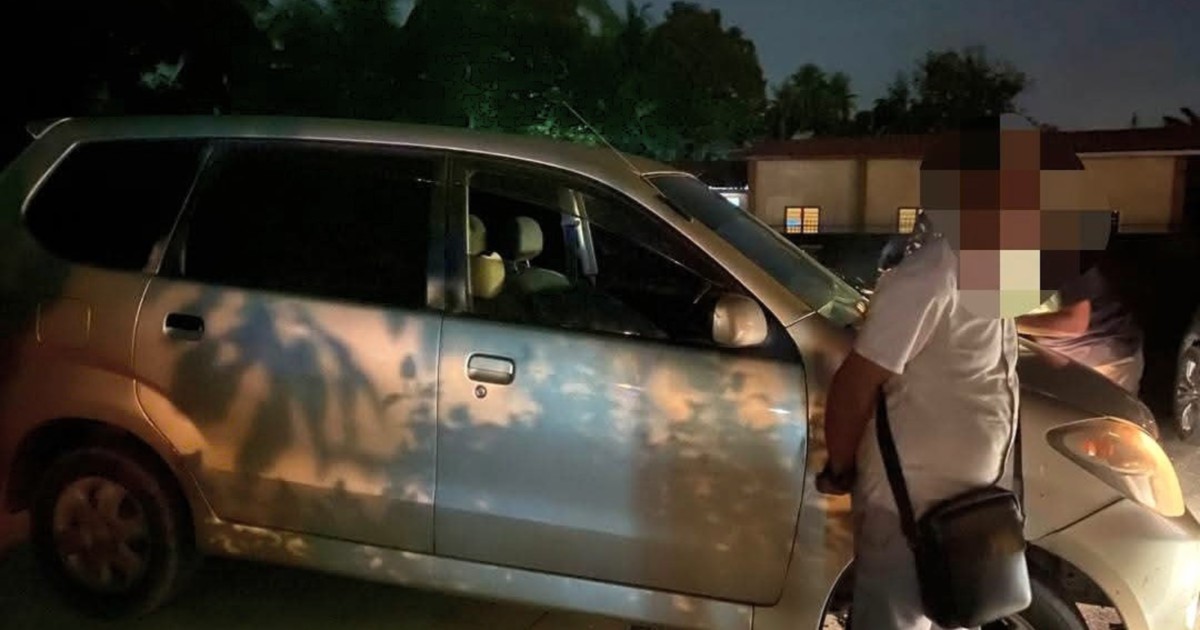
A Rohingya man in his early thirties has been apprehended in Alor Star following detection of unlicensed driving during a targeted Road Transport Department operation. The 32-year-old was operating a multi-purpose vehicle when enforcement officials conducted the check, which took place in the evening hours across Kedah state.
The arrest underscores ongoing compliance challenges on Malaysian roads, where unlicensed driving remains a persistent traffic violation. Such operations by the RTD serve as critical safety mechanisms, particularly in states with significant transient and migrant populations. Alor Star, the capital of Kedah, has witnessed numerous enforcement drives aimed at tightening road safety standards and ensuring that all vehicle operators possess appropriate documentation.
Unlicensed driving poses substantial risks to road users beyond simple administrative breaches. Drivers without valid licences typically lack the requisite training and assessment certification needed to handle vehicles safely in traffic conditions. The absence of proper licensing creates accountability gaps that complicate insurance coverage and crash investigation processes. From a public safety perspective, such infractions demand consistent enforcement to deter repeated violations.
The detention of the Rohingya driver reflects broader policing challenges in managing mobility among marginalised communities in Malaysia. The Rohingya refugee population, concentrated primarily in Peninsular states including Kedah, frequently faces restrictions on formal employment and documentation. Limited legal pathways to obtain proper driving credentials push some individuals toward informal transportation arrangements, increasing their vulnerability to law enforcement action. This structural vulnerability makes Rohingya migrants disproportionately susceptible to traffic violations and associated penalties.
Road Transport Department enforcement operations typically involve surprise checkpoints targeting major thoroughfares and commercial routes. These sweeps aim to detect not only unlicensed driving but also vehicle defects, expired registration documents, and insurance non-compliance. The Kedah operation exemplifies the RTD's preventive approach to road safety management, though such measures raise questions about equitable application across different demographic groups.
Malaysia's licensing framework requires all drivers to complete approved driving courses, pass theoretical and practical examinations, and maintain valid permits renewed at specified intervals. For migrant and refugee populations with uncertain legal status, navigating these bureaucratic processes presents formidable obstacles. Language barriers, financial constraints, and documentation complications create practical impediments to formal licensing, inadvertently channelling vulnerable individuals toward unlawful driving practices.
The consequences of unlicensed driving convictions extend beyond immediate fines or brief detention. Perpetrators face potential vehicle impoundment, substantial financial penalties, and criminal record implications affecting future employment prospects. For Rohingya individuals already marginalised within Malaysian society, such legal entanglements compound existing socioeconomic hardships and restrict already-limited livelihood opportunities. The enforcement action, while procedurally justified, exemplifies how traffic regulations can intersect with broader immigration and social justice concerns.
Kedah's position as a northern border state hosting significant Rohingya concentrations makes transport enforcement particularly sensitive. The state experiences consistent migration pressures and informal settlement patterns that complicate administrative oversight. RTD operations must balance legitimate road safety objectives against potential discriminatory outcomes affecting vulnerable populations. The agency's enforcement strategies therefore warrant scrutiny regarding proportionality and equity across community groups.
Transport officials customarily escalate responses to repeated offences or compound violations. A driver apprehended without a licence might face additional charges if the vehicle carries unlicensed passengers, lacks proper insurance, or exhibits mechanical defects. The specific charge categories and sentencing recommendations vary according to whether the unlicensed driving occurred in a residential zone, commercial district, or highway setting. Magistrate courts typically hear such cases and determine appropriate penalties within statutory ranges.
The incident highlights persistent governance challenges in regulating informal mobility networks within Malaysia's migrant communities. While enforcement operations demonstrate state capacity and rule-of-law commitment, they simultaneously reveal the desperate circumstances forcing vulnerable individuals toward traffic violations. Addressing root causes requires multifaceted approaches combining accessible licensing pathways, targeted community education, and recognition of structural barriers facing displaced populations. Without such complementary interventions, enforcement actions alone risk perpetuating cycles of violation and penalisation affecting already-marginalised groups.
The RTD has not disclosed additional details regarding the suspect's background, vehicle ownership documentation, or intended charge specifications. Authorities typically process such cases through standard legal procedures, with outcomes depending on corroborating evidence and any prior violation records. The detention underscores both the necessity of traffic safety enforcement and the complex humanitarian dimensions underlying regulatory breaches within displaced communities.

