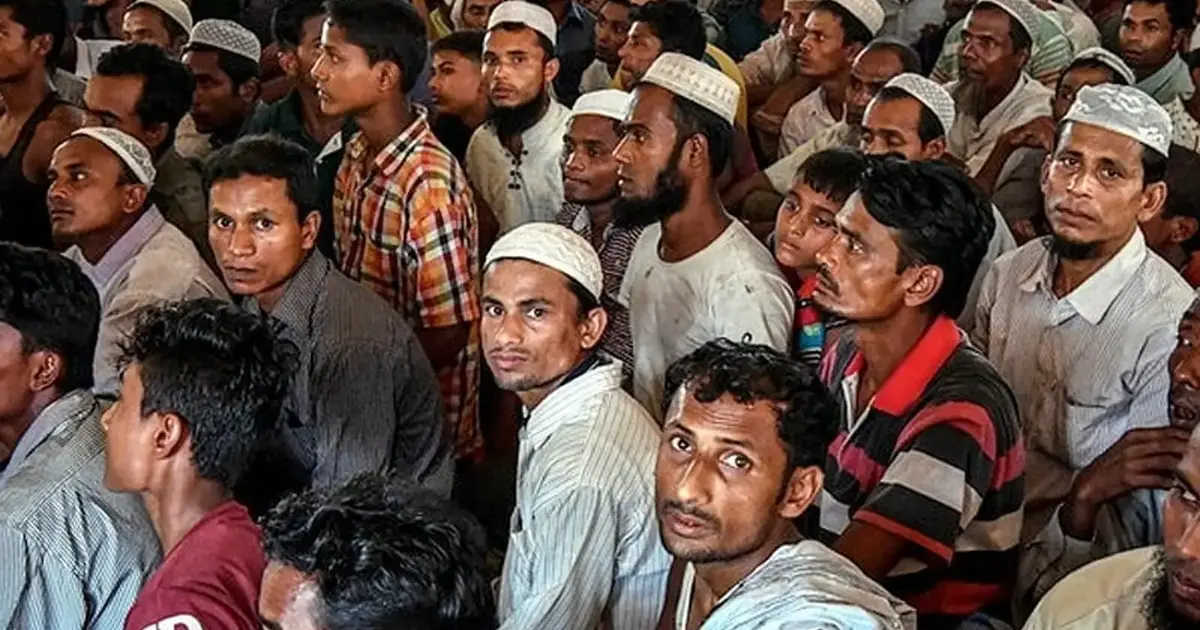
The Rohingya Ulama Council has moved swiftly to counter what its leadership characterizes as baseless allegations regarding community aspirations for Malaysian citizenship. Rahimullah Hussain, who chairs the council, firmly rejected the claims, arguing that such narratives serve a broader agenda of prejudice against an already marginalized population. The denial underscores ongoing tensions surrounding the status and integration of Rohingya populations across Southeast Asia, particularly in Malaysia where substantial communities have established themselves over decades.
The rebuttal from the council's leadership reflects a broader pattern of misinformation that has circulated about refugee and displaced populations in the region. According to Hussain, the deliberate spreading of such unverified claims represents a calculated strategy to inflame public sentiment against the Rohingya community. This framing is significant because it positions the allegations not merely as factual disputes but as part of a coordinated effort to delegitimize the community's presence and entrench existing prejudices.
Malaysia hosts one of the world's largest Rohingya populations outside of camps, with estimates suggesting over 180,000 individuals residing in the country. Many arrived during successive waves of displacement, particularly following the 2017 military crackdown in Myanmar's Rakhine State that prompted mass exodus. The community's long-term presence has created complex policy challenges for authorities balancing humanitarian concerns with citizenship and resource management questions.
The council's statement addresses anxieties that have periodically surfaced in public discourse, often amplified through social media where unverified claims spread rapidly. By framing the allegations as fabrications rather than legitimate concerns requiring substantive response, the council is attempting to redefine the narrative terrain. This approach reflects understanding that simple denials, when repeated with conviction by community leadership, can counteract misinformation more effectively than point-by-point rebuttals.
Rohingya communities across Southeast Asia occupy a precarious status, typically remaining stateless or holding travel documents of limited recognition. Malaysia's official position has been to provide humanitarian tolerance while avoiding formal integration pathways that might suggest permanent settlement. This ambiguity creates space for speculation about community intentions, which actors with various agendas have exploited to generate controversy.
The timing of these allegations and their denial matters within Malaysia's broader political context. Discussions about immigration, citizenship, and national identity remain sensitive topics that intersect with electoral competition and appeals to particular voter bases. Claims about foreign communities seeking citizenship rights can resonate powerfully in populist political narratives, regardless of factual foundation.
The Rohingya Ulama Council's characterization of the allegations as hate-incitement reflects international frameworks around refugee protection and dignity. By invoking the intentional nature of the false claims—the explicit goal of generating animosity—the council attempts to elevate the issue beyond ordinary political disagreement into questions of community safety and human rights violations. This framing appeals to both regional and international audiences concerned with protection of vulnerable populations.
What remains notably absent from most public discussion is clarity regarding official Malaysian policy toward the Rohingya population's long-term status. The government has not articulated comprehensive frameworks addressing whether integration, temporary refuge, or other arrangements will characterize the relationship. This policy vacuum arguably enables both wild speculation about community aspirations and defensive denials from community representatives who lack formal channels to address such questions.
The council's response also reflects internal Rohingya community dynamics, where leadership must balance advocacy for rights and recognition against avoiding actions that might provoke political backlash threatening the community's precarious position in Malaysia. By aggressively denying rather than engaging substantively with citizenship questions, the council prioritizes immediate damage control over longer-term dialogue about integration possibilities.
For Malaysian policymakers and civil society, the episode highlights how misinformation about refugee populations can escalate without clear public information about official policies and frameworks. The gap between ambiguous government positions and community needs creates conditions where false narratives flourish. Addressing such dynamics requires not merely countering false claims but establishing transparent, consistent messaging about how Malaysia intends to manage its substantial Rohingya population over coming decades.
Regional observers note that tensions surrounding Rohingya communities exist across Southeast Asia, from Bangladesh to Thailand to Indonesia, suggesting these challenges transcend individual national contexts. The denial issued by the Rohingya Ulama Council in Malaysia reflects broader difficulties displaced Muslim communities face in environments where their presence remains contested and future uncertain. Building more stable circumstances likely requires moving beyond cycles of allegation and denial toward substantive regional discussions about protection, rights, and integration possibilities.
%22%2F%3E%3C%2Fpattern%3E%3C%2Fdefs%3E%3Crect%20width%3D%22100%25%22%20height%3D%22100%25%22%20fill%3D%22url(%23ph504jeg)%22%2F%3E%3Crect%20width%3D%22100%25%22%20height%3D%22100%25%22%20fill%3D%22url(%23ph504jep)%22%2F%3E%3Ctext%20x%3D%2250%25%22%20y%3D%2250%25%22%20text-anchor%3D%22middle%22%20dominant-baseline%3D%22central%22%20fill%3D%22rgba(255%2C255%2C255%2C0.95)%22%20font-family%3D%22Georgia%2C%20'Times%20New%20Roman'%2C%20serif%22%20font-weight%3D%22700%22%20font-size%3D%22320%22%20letter-spacing%3D%22-0.02em%22%3EMOH%3C%2Ftext%3E%3C%2Fsvg%3E)
%22%2F%3E%3C%2Fpattern%3E%3C%2Fdefs%3E%3Crect%20width%3D%22100%25%22%20height%3D%22100%25%22%20fill%3D%22url(%23ph51k2vg)%22%2F%3E%3Crect%20width%3D%22100%25%22%20height%3D%22100%25%22%20fill%3D%22url(%23ph51k2vp)%22%2F%3E%3Ctext%20x%3D%2250%25%22%20y%3D%2250%25%22%20text-anchor%3D%22middle%22%20dominant-baseline%3D%22central%22%20fill%3D%22rgba(255%2C255%2C255%2C0.95)%22%20font-family%3D%22Georgia%2C%20'Times%20New%20Roman'%2C%20serif%22%20font-weight%3D%22700%22%20font-size%3D%22320%22%20letter-spacing%3D%22-0.02em%22%3EIJN%3C%2Ftext%3E%3C%2Fsvg%3E)
%22%2F%3E%3C%2Fpattern%3E%3C%2Fdefs%3E%3Crect%20width%3D%22100%25%22%20height%3D%22100%25%22%20fill%3D%22url(%23ph3oqxzg)%22%2F%3E%3Crect%20width%3D%22100%25%22%20height%3D%22100%25%22%20fill%3D%22url(%23ph3oqxzp)%22%2F%3E%3Ctext%20x%3D%2250%25%22%20y%3D%2250%25%22%20text-anchor%3D%22middle%22%20dominant-baseline%3D%22central%22%20fill%3D%22rgba(255%2C255%2C255%2C0.95)%22%20font-family%3D%22Georgia%2C%20'Times%20New%20Roman'%2C%20serif%22%20font-weight%3D%22700%22%20font-size%3D%22226%22%20letter-spacing%3D%22-0.02em%22%3EMarcos%3C%2Ftext%3E%3C%2Fsvg%3E)