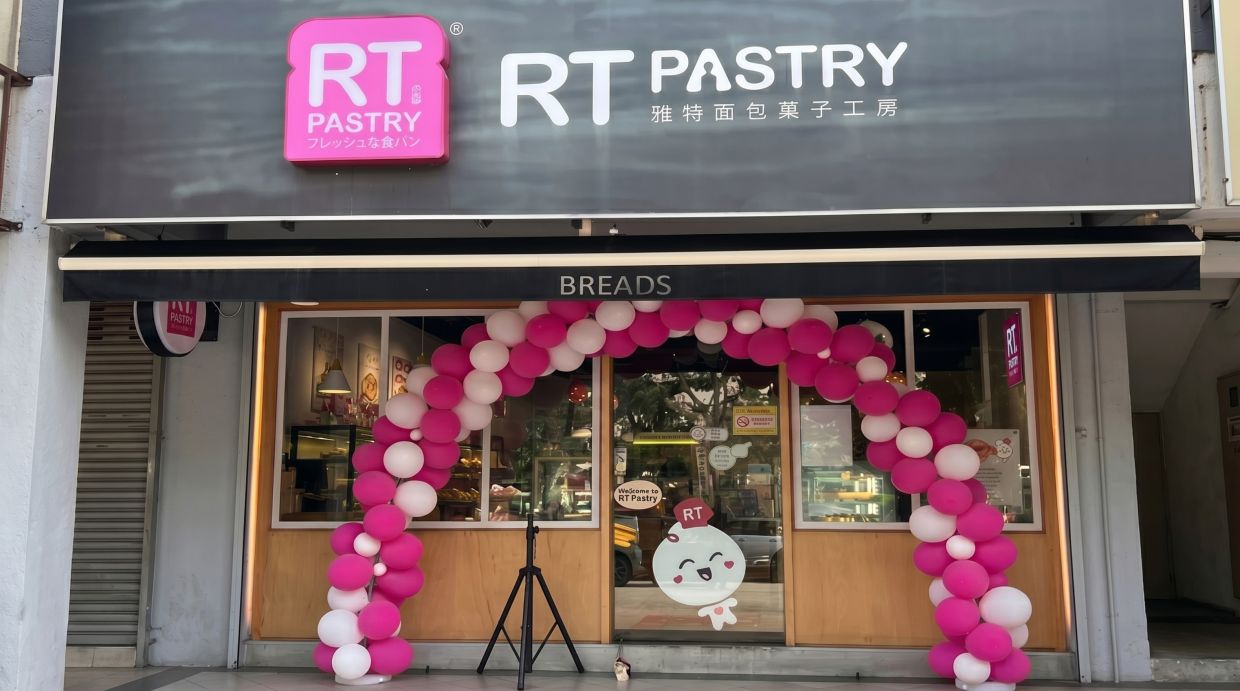
RT Pastry Holdings Bhd has strengthened its foothold in Malaysia's competitive halal bakery market by securing certification from the Department of Islamic Development Malaysia (JAKIM) for its principal manufacturing operation. The certification, awarded on July 1 and valid until June 30, 2028, extends to Plant 1 located in Taman Bukit Serdang, Seri Kembangan, and encompasses the company's extensive product portfolio spanning cakes, Swiss rolls, pastries, cookies, desserts and various bakery items.
The accreditation represents a significant milestone for the bakery group, particularly as the halal sector in Malaysia continues to expand beyond domestic consumption into regional and international trade. Malaysia's halal certification framework has become a critical competitive advantage for food manufacturers seeking to access not only the local Muslim-majority market but also the estimated 1.8 billion Muslim consumers worldwide. JAKIM's certification validates that RT Pastry's manufacturing processes, ingredient sourcing, handling procedures and hygiene standards align with the rigorous requirements set out in the Malaysian Halal Standard MS1500:2019.
For bakery manufacturers in Malaysia, obtaining and maintaining JAKIM halal certification has evolved from a straightforward religious compliance measure into a complex operational and commercial undertaking. The MS1500:2019 standard requires detailed documentation of supply chains, staff training in halal principles, segregation of production areas where necessary, and regular audits to prevent cross-contamination. Companies must demonstrate that every stage of production, from raw material procurement through to packaging and distribution, adheres to halal requirements. This comprehensive approach ensures consumers can purchase bakery products with confidence that ingredients, additives and processing methods meet Islamic dietary standards.
RT Pastry's achievement comes on the heels of its Plant 2 facility in Glelmarie securing similar certification in 2023. By consolidating halal accreditation across multiple manufacturing sites, the company has created a robust operational framework that supports consistent product quality and market credibility. This dual-facility approach provides manufacturing redundancy and flexibility, enabling RT Pastry to scale production and respond to demand fluctuations across different market segments and geographic regions. The expansion of certified capacity reflects management confidence in sustained market growth within the halal bakery segment.
Lu Chun-Neng, executive director and group chief executive officer, emphasized that halal certification transcends regulatory compliance, framing it instead as a reflection of the company's commitment to quality assurance and consumer trust. In Malaysian business contexts, this positioning resonates strongly, as halal certification has become embedded in consumer consciousness as a marker of reliability and ethical business practice. Beyond religious observance, many consumers view JAKIM certification as evidence of stringent quality control and transparent manufacturing practices, factors that drive purchasing decisions across demographic groups.
The halal bakery market in Malaysia has witnessed substantial growth over the past decade, driven by rising incomes, urbanization and increased consumer awareness of food safety standards. Established manufacturers and emerging players alike have recognized that halal certification is essential for retail presence in modern supermarket chains, institutional supply contracts and e-commerce platforms. For RT Pastry, the dual certifications position the company competitively against both regional and international bakery companies seeking market share in Malaysia's estimated multi-billion-ringgit baked goods sector.
From a regional perspective, Malaysia's halal certification system has become a model increasingly adopted by neighbouring countries and trading partners. Companies like RT Pastry that maintain JAKIM certification gain potential advantages when exploring export opportunities to countries seeking recognized halal standards. This regulatory legitimacy can facilitate cross-border trade and support manufacturers' aspirations to become regional brands rather than domestic players confined to the Malaysian market.
The certification also reflects broader trends in Malaysia's food manufacturing sector, where premium positioning through quality assurance and safety certifications has become standard practice. Companies pursuing growth strategies increasingly bundle halal certification with other international standards such as ISO 22000 and FSSC 22000, creating a comprehensive quality narrative that appeals to institutional buyers, multinational retailers and quality-conscious consumers. RT Pastry's emphasis on maintaining high standards across its manufacturing operations aligns with this industry-wide trajectory toward more sophisticated, auditable production systems.
For consumers in Malaysia, the proliferation of JAKIM-certified products across different price segments and distribution channels has democratized access to halal bakery goods. What once required consumers to seek specialty outlets is now available in mainstream supermarkets, convenience stores and online platforms. RT Pastry's expansion of certified production capacity supports this accessibility trend, potentially allowing more Malaysians to access the company's products regardless of geographic location or shopping preferences.
The timing of Plant 1's certification also carries strategic significance in the context of Malaysia's broader economic development priorities. The government has identified the halal sector as a pillar of national competitive advantage and economic diversification. Companies like RT Pastry that invest in certified manufacturing infrastructure and quality systems contribute to Malaysia's reputation as a reliable halal products hub, supporting the nation's ambitions to capture higher-value segments of global halal trade. This alignment between corporate strategy and national economic policy creates mutually reinforcing incentives for continued investment in quality and scale.

