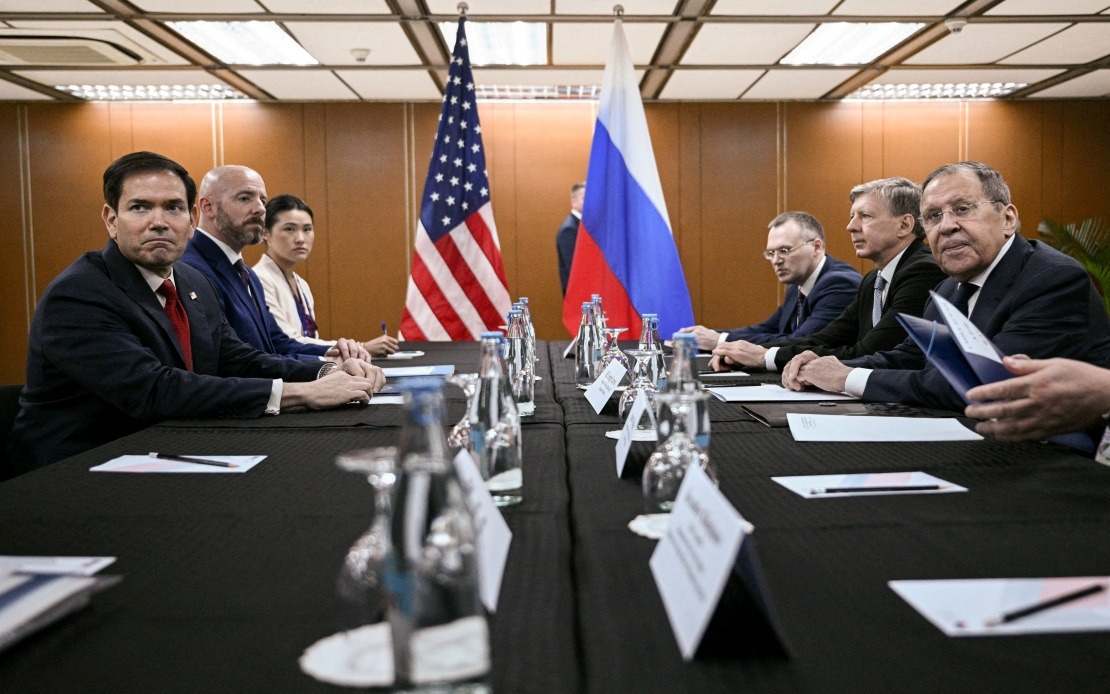
Russian Foreign Minister Sergey Lavrov and United States Secretary of State Marco Rubio have committed to preserving diplomatic communication pathways between their respective foreign ministries, with an emphasis on engagement through multilateral international organisations. The agreement emerged from their recent encounter in Manila, marking a notable effort to sustain official channels despite the prevailing geopolitical tensions that have strained Moscow-Washington relations in recent years.
The decision to maintain these contacts through the framework of international organisations carries particular significance for Southeast Asian observers. The region has long navigated the complex dynamics between major powers, and any stabilisation of US-Russia dialogue could influence the broader strategic environment affecting ASEAN nations. The Philippines, where this meeting took place, sits at the intersection of these competing interests, making such diplomatic engagements particularly relevant to regional observers monitoring great power engagement.
Beyond the core commitment to sustained communication, the two foreign ministers discussed practical measures aimed at normalising the operational environment for their respective diplomatic missions. This suggests recognition from both sides that even amid strategic competition, functional diplomatic infrastructure remains essential for managing crises and preventing misunderstandings. The restoration of normal working conditions for embassies and consulates represents a pragmatic acknowledgement that diplomatic representation requires certain baseline operational standards.
A notable development highlighted in the discussion involves renewed cooperation between space agencies. Lavrov and Rubio welcomed the resumption of comprehensive collaboration between Roscosmos and NASA, Russia's and America's respective space programmes. This represents a symbolic thaw in technical cooperation, as space exploration has historically served as a domain where US and Russian scientists maintained productive relationships even during periods of political estrangement. The resumption signals that some areas of cooperation remain insulated from broader political conflict.
The agreement to promote interparliamentary exchanges demonstrates intent to deepen people-to-people and institutional connections beyond executive-level diplomacy. Such exchanges create pathways for dialogue among legislators, potentially building understanding and generating alternative communication channels. Cultural initiatives, similarly, address the human dimension of international relations, acknowledging that sustained hostility requires more than official statements to reverse.
For Malaysia and other ASEAN members, the maintenance of Russia-US communication channels carries implications for regional security architecture. The Southeast Asian region has benefited from a degree of great power restraint and competition that, while creating strategic complexity, has generally avoided direct proxy conflicts. The preservation of diplomatic channels between Washington and Moscow reduces risks of miscalculation that could destabilise the broader international system on which regional prosperity depends.
The timing of this diplomatic engagement warrants attention. Such high-level meetings rarely occur without careful preparation, suggesting both governments recognise value in preventing complete communication breakdown. The Manila venue itself underscores how Southeast Asia remains central to global diplomatic engagement, with major powers treating the region as an important stage for substantive bilateral discussions.
The framework emphasising international organisations as a venue for continued contacts reflects institutional dimensions of modern diplomacy. Bodies like the United Nations, regional development banks, and specialised agencies provide neutral ground where disagreeing parties can engage without the symbolism attending bilateral meetings. This approach allows both nations to maintain dialogue while managing domestic political pressures that might complicate more high-profile interactions.
Lavrov and Rubio's agreement essentially establishes guardrails against complete deterioration in relations. By institutionalising contact mechanisms and explicitly committing to their maintenance, both sides create structures that survive momentary political tensions. This approach recognises that absolute isolation between major nuclear powers carries inherent risks that both prefer to avoid, regardless of contemporary disagreements.
The cultural and scientific dimensions of the agreement merit deeper consideration. Space cooperation particularly holds symbolic weight, representing shared human aspirations beyond geopolitical divisions. When rocket scientists from competing nations work together toward common exploration objectives, it creates professional communities with vested interests in maintaining dialogue, providing institutional anchors for broader government relations.
For regional stakeholders in Southeast Asia, this development suggests a preference among major powers for managed competition rather than confrontational isolation. While such agreements remain limited in scope and fall short of resolving fundamental strategic differences, they indicate recognition that functioning diplomatic channels serve all parties' interests. Malaysia and neighbouring countries can take some reassurance that even strained great power relations retain mechanisms for preventing escalation.
Looking forward, the practical realisation of these commitments will test sincerity on both sides. Maintaining contacts through international organisations requires consistent engagement and genuine willingness to cooperate on shared challenges like climate change, public health, and development. The success of these diplomatic initiatives will depend on whether both Russia and the United States view dialogue as instrumental to their respective interests or merely as tactical positioning.

