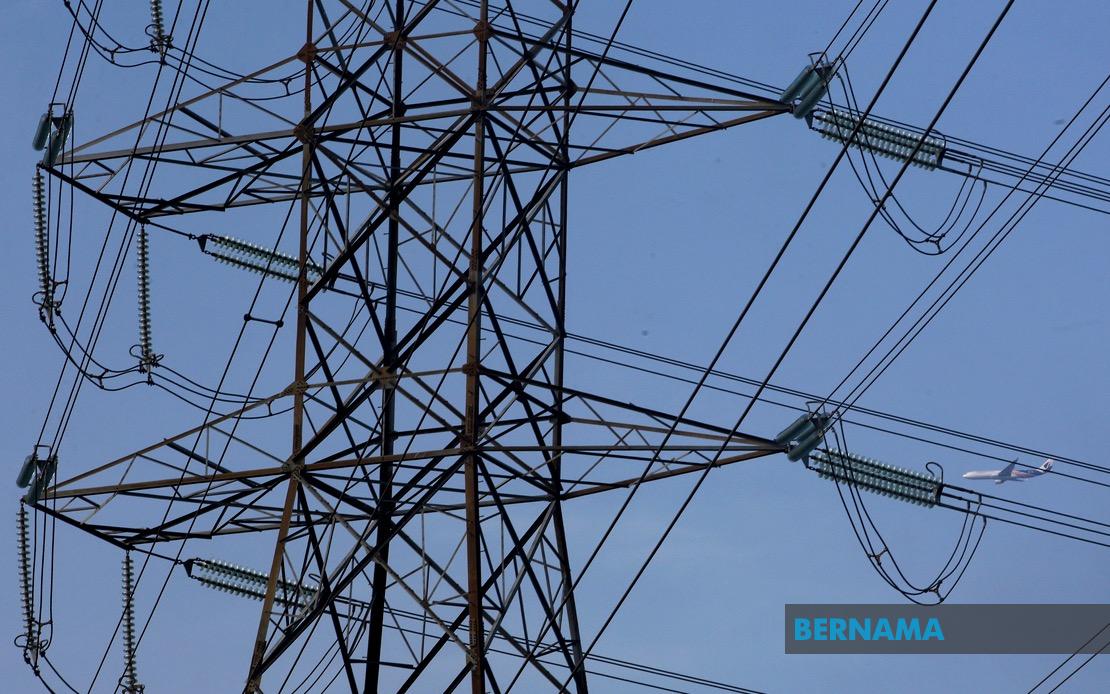
Sabah Electricity has commenced temporary power rationing across several districts in the state, a response to significant constraints on electricity generation stemming from interruptions in the gas supply feeding key power generation facilities. The utility provider announced the measure on June 29 following a detailed assessment of grid conditions, emphasising that the controlled load-shedding approach is necessary to prevent cascading failures across the broader electrical network serving the state.
The root cause of the current situation lies in the reduction of available generation capacity across Sabah's power plants, which has narrowed the reserve margin that normally provides a buffer against unexpected demand spikes or equipment failures. When this cushion shrinks, grid operators face mounting pressure to manage consumption actively rather than allowing it to respond naturally to price signals. The gas supply interruption that triggered this chain of events underscores the vulnerability of Sabah's energy infrastructure to single-point failures in its fuel supply chain—a concern that should resonate across Southeast Asia as regional economies grapple with energy security amid geopolitical tensions and ageing infrastructure.
The company has characterised the rationing as a temporary intervention, stressing that it will be withdrawn as soon as generation capacity recovers and grid stability metrics return to acceptable levels. This framing is important for understanding the intended scope: Sabah Electricity is not signalling a structural supply crisis requiring long-term demand management, but rather a tactical response to a transient operational constraint. However, such episodes often prompt broader questions about the adequacy of reserve generation capacity and the resilience of fuel supply agreements that suppliers depend upon.
Coordination with stakeholder organisations is underway to accelerate the restoration of full generation capacity. Sabah Electricity has indicated that all available measures are being deployed to optimise grid operations and distribute the impact of rationing as equitably as possible across the consumer base. This multi-pronged approach—simultaneous efforts to restore generation and minimise consumer disruption—reflects industry best practice but also highlights the operational complexity of managing a power system under stress.
The utility company is using its official Sabah Electricity Careline Facebook page as the primary channel for communicating which areas will experience scheduled outages and for providing real-time updates as conditions change. This reliance on social media reflects contemporary practice in Malaysian utilities, though it also underscores the digital divide that may limit access to critical information for older or less connected segments of the population. Consumers can also ring 15444 for direct enquiries about rationing schedules affecting their neighbourhoods.
For Malaysian policymakers and energy planners, this incident offers a timely reminder of the consequences of tightly coupled energy systems with limited redundancy. Sabah's situation differs from Peninsular Malaysia's more diversified generation portfolio, which includes coal, gas, hydroelectric, and renewable sources. The state's heavier reliance on gas-fired generation makes it more vulnerable to supply shocks originating upstream in the fuel chain. As Malaysia pursues energy transition goals and expands renewable capacity, ensuring that the grid can weather supply disruptions to traditional fuels becomes increasingly important.
The rationing also touches on consumer relations and public communication in a context where misinformation about power cuts can spread rapidly. Sabah Electricity has explicitly cautioned consumers against relying on unverified reports and encouraged them to consult official channels only. This messaging reflects a broader challenge facing utilities across the region as social media becomes the default platform for crisis communication, often alongside less reliable peer-to-peer information sharing that can fuel panic buying or unnecessary precautions.
From a regional perspective, Sabah's power rationing highlights dependencies within the Malaysian federation. The state's energy challenges are not isolated; they intersect with broader questions about intra-Malaysian energy trade, the cost of maintaining reliable supply in areas with smaller consumer bases and more limited economies of scale, and the division of infrastructure investment responsibilities between federal and state authorities. Similar vulnerabilities exist in other Malaysian states with concentrated generation sources or limited interconnection to national grids.
The company's apology to affected consumers and request for patience suggests recognition that power cuts impose genuine hardship, whether for households facing disrupted air conditioning in a tropical climate or for businesses facing production delays. The cooperative tone is designed to build goodwill and encourage compliance with conservation measures that would reduce rationing duration. Consumer behaviour during controlled outages can significantly influence overall grid stability; businesses and households that voluntarily curtail non-essential consumption during peak periods help preserve capacity for critical loads.
Looking ahead, the resolution of Sabah's immediate crisis will depend on the timeline for restoring gas supply and the operational efficiency with which the utility can manage demand during the interim period. Medium-term implications may include renewed focus on generation adequacy standards, fuel supply security arrangements, and the pace of renewable energy deployment in the state. For Malaysian and Southeast Asian observers, Sabah's experience serves as a case study in grid fragility and the operational complexities that emerge when generation capacity tightens.

