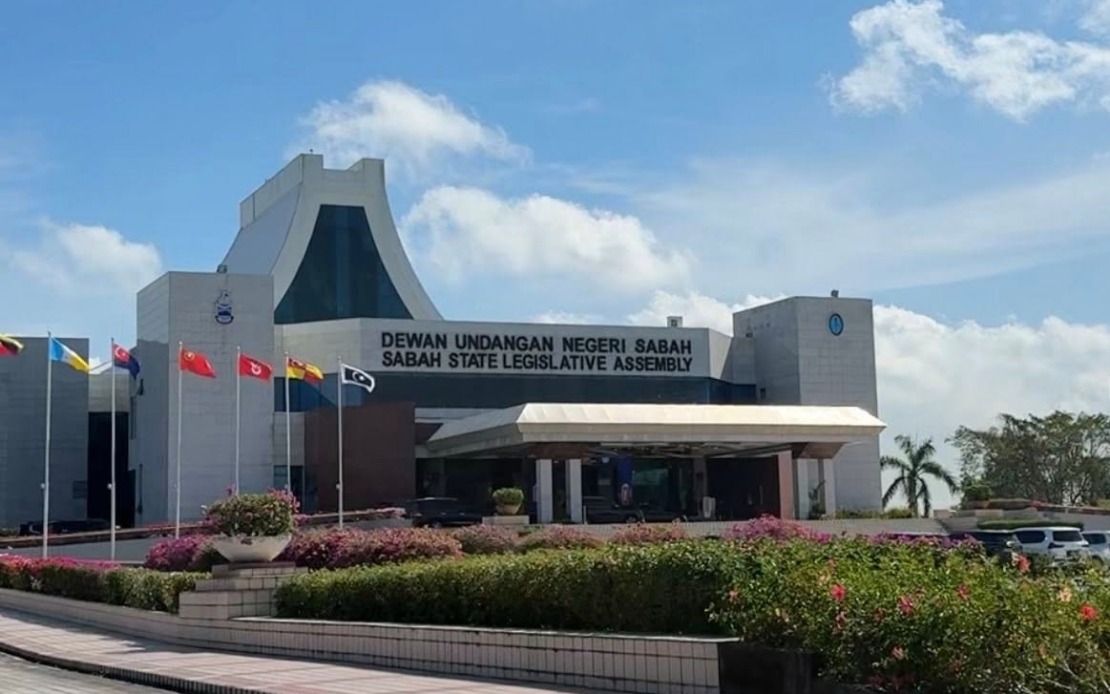
The Sabah Legislative Assembly has given final approval to two major legislative initiatives that will reshape how the state manages Muslim estates and adjudicates disputes within indigenous communities. The Muslim Succession Bill 2026 and the Native Courts Bill 2026 both received passage on July 22, signalling a turning point in how Sabah approaches Islamic law administration and customary justice—areas that have long operated under outdated frameworks inadequate to contemporary governance demands.
Minister Datuk Dr Mohd Arifin Arif, who stewarded both bills through the assembly in his capacity as Local Government and Housing Minister alongside his portfolio for Islamic Affairs, emphasised that the legislation responds to long-standing structural gaps in estate management and judicial administration. The Muslim Succession Bill 2026 represents a watershed moment for Malaysian Islamic jurisprudence. According to Mohd Arifin, this is the first comprehensive law in Malaysia designed specifically to govern how Muslim estates are administered through the machinery of the Syariah Courts. The framework it establishes rests on four foundational objectives: creating systematic legal clarity around Muslim inheritance, protecting the rights of all beneficiaries and estate creditors, ensuring deceased estates are managed according to Islamic principles, and strengthening oversight mechanisms to prevent the concealment or misappropriation of assets.
The bill's passage followed substantive debate among five assemblymen before Speaker Datuk Seri M Kadzim Yahya, indicating the legislative process was neither rushed nor perfunctory. Malaysian legal observers have noted that the absence of unified federal Muslim succession legislation has created inconsistencies across states, particularly between Peninsular Malaysia and East Malaysia. Sabah's pioneering approach could serve as a template for other state legislatures grappling with similar questions about how to modernise Islamic estate law while respecting syariah principles. The bill directly addresses a governance challenge affecting thousands of Muslim families annually: the administration of estates when heirs are unclear or assets become entangled in disputes lacking clear legal resolution pathways.
Parallel to this Islamic law initiative, the assembly approved the Native Courts Bill 2026, which comprehensively reconstructs Sabah's system for adjudicating disputes arising from indigenous customary practices. Twelve assemblymen engaged in debate before Deputy Speaker Datuk Richard Wong We Kong, underscoring the complexity of reforming institutions that touch on tribal identity and cultural autonomy. The previous enactment governing native courts has remained substantially unchanged since 1992—a 32-year period spanning enormous social and institutional evolution. Mohd Arifin characterised the update as essential modernisation that must simultaneously preserve the distinctiveness of Sabah's diverse native communities and their legal traditions.
The reform restructures the native court hierarchy by establishing three tiers: the Native District Court, Native High Court, and Native Court of Appeal. This pyramidal architecture replaces a system that had grown unresponsive to contemporary caseloads and jurisdictional complexities. By creating appellate mechanisms and clearer institutional hierarchy, the legislation addresses a fundamental accountability gap in customary justice administration. For many indigenous Sabahans whose disputes involve land rights, family arrangements, or customary obligations, native courts represent the most culturally appropriate dispute resolution forum. However, the absence of meaningful appellate oversight had created situations where lower court decisions stood unchallenged despite potential error or prejudice.
A particularly significant innovation concerns judicial appointments. Previously, native court judges were selected based on administrative position or seniority within bureaucratic hierarchies—a system that frequently elevated administrators lacking substantive knowledge of customary law over candidates with genuine legal expertise and cultural competency. The reformed system introduces a Native Judicial Appointments Advisory Committee tasked with evaluating candidates based on merit, qualifications, experience in customary jurisprudence, and personal integrity. This represents a shift toward professionalising the native judiciary while maintaining its cultural rootedness. Candidates will now be assessed primarily on their actual capacity to discharge judicial functions rather than their position within the government apparatus.
For Malaysian and Southeast Asian readers, these developments carry broader implications. Both bills reflect how federal systems must sometimes allow constituent states to pioneer legislative innovation, particularly in domains like Islamic law and indigenous rights where one-size-fits-all national legislation proves inadequate. Sabah's Muslim succession framework may influence how other Muslim-majority jurisdictions in the region approach estate law, especially if the legislation proves effective at reducing court backlogs and family disputes. Similarly, the native courts reform demonstrates how traditional justice systems can modernise through structural and procedural reform without abandoning their cultural foundations—a lesson relevant across Southeast Asia where indigenous communities increasingly demand justice systems that respect customary norms while meeting contemporary governance standards.
The passage of both bills also reflects evolving political dynamics in Sabah, where managing the interests of the state's substantial Muslim population alongside its numerically significant indigenous communities requires calibrated legislative responses. Neither bill emerged from partisan conflict according to available accounts; instead, both proceeded through substantive parliamentary debate, suggesting something resembling multiparty consensus around the need for these reforms. This consensus-based approach to institutional modernisation may prove more durable than legislation passed through narrow majorities, particularly given the sensitive cultural and religious dimensions of both subjects.
Implementation challenges loom. The Native Judicial Appointments Committee must now develop criteria and processes that genuinely prioritise customary law expertise and judicial capability over traditional bureaucratic considerations—a cultural reorientation within government institutions. Similarly, syariah court administrators must absorb new Muslim succession procedures without overwhelming existing dockets. Both bills require supporting regulations, training programmes, and procedural guidelines that remain under development. The true measure of legislative success will emerge not on passage day but during the months of implementation, when courts begin applying these frameworks to actual cases and families navigate the new institutional structures.

