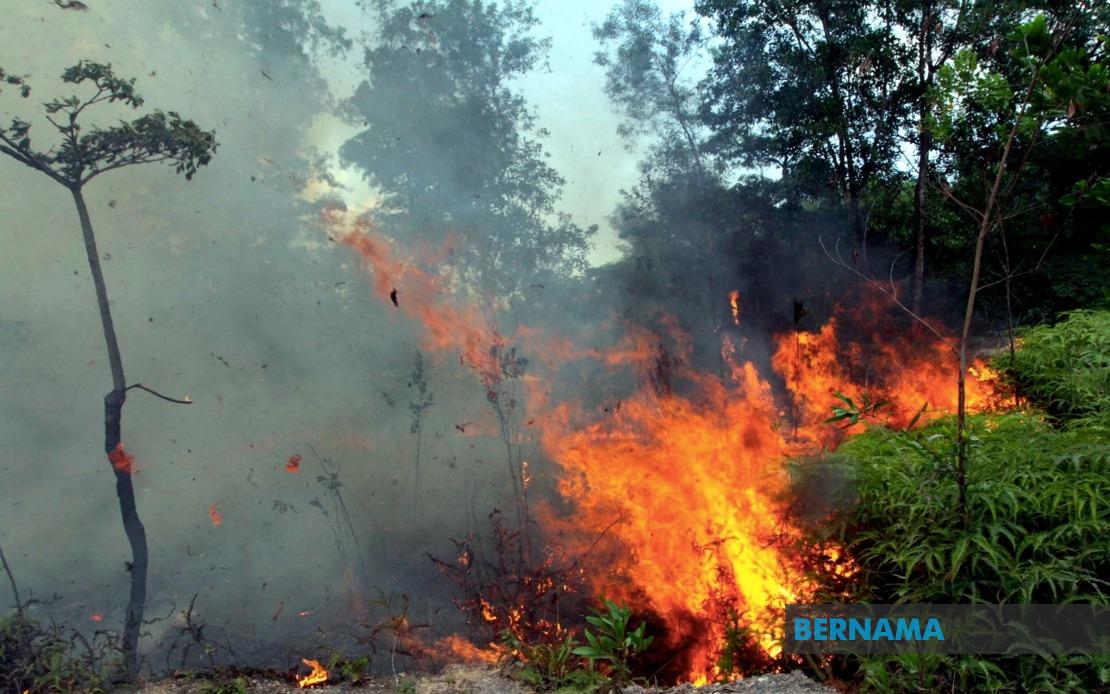
The Sabah Fire and Rescue Department (JBPM) has launched an urgent appeal to residents to cease all open burning activities as thick smoke from active forest fires across the Indonesian region of Kalimantan moves northward into Sabah, compromising air quality and visibility across significant population centres. The warning comes as prevailing wind patterns from southern and central Borneo continue to channel dense smoke plumes into the state, creating hazardous conditions that threaten public health and increase wildfire risk across the region.
Director Mohd Pisar Aziz confirmed that haze has already blanketed major areas including Kota Kinabalu and Kimanis, with air quality readings indicating a moderate pollution level across monitoring stations. The rapid deterioration reflects the severity of the transboundary pollution event, which occurs annually during the dry season when Indonesian peatlands and forests become susceptible to uncontrolled burning. Kota Kinabalu recorded the highest Air Pollutant Index (API) reading at 83, followed by Politeknik Kota Kinabalu at 81 and Kimanis at 76, all within the moderate range but trending toward unhealthy thresholds.
Mohd Pisar emphasised that the combination of elevated haze levels and locally high temperatures creates a critical fire situation, potentially transforming any open burning into an uncontrollable blaze. He stressed that open burning constitutes a legal offence in Malaysia and appealed to all Sabahans to demonstrate collective responsibility by refraining from practices that would compound the existing air pollution crisis. The department's position reflects growing alarm that local burning activities, however small, could trigger major incidents given current atmospheric and meteorological conditions.
Certain districts within Sabah have triggered formal open-burning bans after recording seven consecutive days without precipitation, meeting the established criteria for implementing such restrictions. Keningau and Pitas have been specifically identified as areas where the ban is now in effect, prohibiting the incineration of household refuse, dried vegetation, garden trimmings, construction debris, and any other combustible materials. These restrictions aim to eliminate anthropogenic fire sources during a period when natural conditions already favour rapid fire spread and smoke accumulation.
Vulnerable population groups require heightened vigilance despite current moderate API readings. Individuals with respiratory conditions including asthma, young children, and elderly citizens face increased health risks from prolonged exposure to particulate-laden air. Even moderate pollution levels can trigger respiratory distress, exacerbate chronic conditions, and compromise immune function in susceptible demographics. Mohd Pisar advised these groups to monitor air quality forecasts continuously and limit outdoor exposure during peak pollution hours.
Public health authorities recommend specific protective measures to minimise haze exposure during this period. Residents should restrict outdoor activities between 11 am and 4 pm when atmospheric conditions typically intensify pollution concentrations near ground level. Maintaining adequate hydration helps the body manage the physiological stress imposed by compromised air quality, while properly fitted face masks provide meaningful filtration when outdoor activity is unavoidable. Regular inspection of household electrical systems prevents fire ignition sources that could prove catastrophic given current fire-prone conditions.
Personal conduct during haze episodes requires elevated diligence, particularly regarding cigarette disposal and fire prevention. Carelessly discarded cigarette butts represent a significant ignition hazard in dry conditions, capable of initiating fires that spread rapidly through accumulated vegetation and organic matter. Citizens must treat fire prevention as a shared responsibility, recognising that individual actions directly impact community safety during transboundary haze episodes when atmospheric conditions amplify fire behaviour.
The public has been instructed to report suspicious activities, potential fire ignitions, and uncontrolled burning immediately to JBPM through the emergency hotline 999. Rapid response to initial fire reports remains critical for preventing escalation into major incidents, particularly when atmospheric conditions and fuel moisture levels already favour rapid spread. Community vigilance and prompt notification represent essential components of fire prevention strategy during high-risk periods.
This haze episode underscores the persistent challenge of transboundary air pollution affecting Malaysian Borneo, a problem intensified by climate change patterns that extend the dry season and increase fire frequency across Indonesian peatlands. Kalimantan's fire management practices remain largely beyond Malaysian regulatory jurisdiction, placing responsibility for local mitigation squarely on Sabahan residents and authorities. The repetitive nature of these transboundary events demands long-term policy engagement addressing both immediate public health protection and diplomatic efforts toward improved fire management coordination across the border.
For Malaysian readers, the Sabah situation illustrates broader Southeast Asian air quality vulnerabilities as regional climate patterns shift and land-use practices in neighbouring countries intensify fire risk. Kuala Lumpur's historical involvement in regional haze diplomacy demonstrates the complexity of addressing transboundary pollution through bilateral mechanisms. Sabah's current predicament reflects ongoing tensions between Indonesian development pressures on peatlands and downwind Malaysian communities' atmospheric health needs, a dynamic likely to persist absent comprehensive regional environmental governance reforms.

