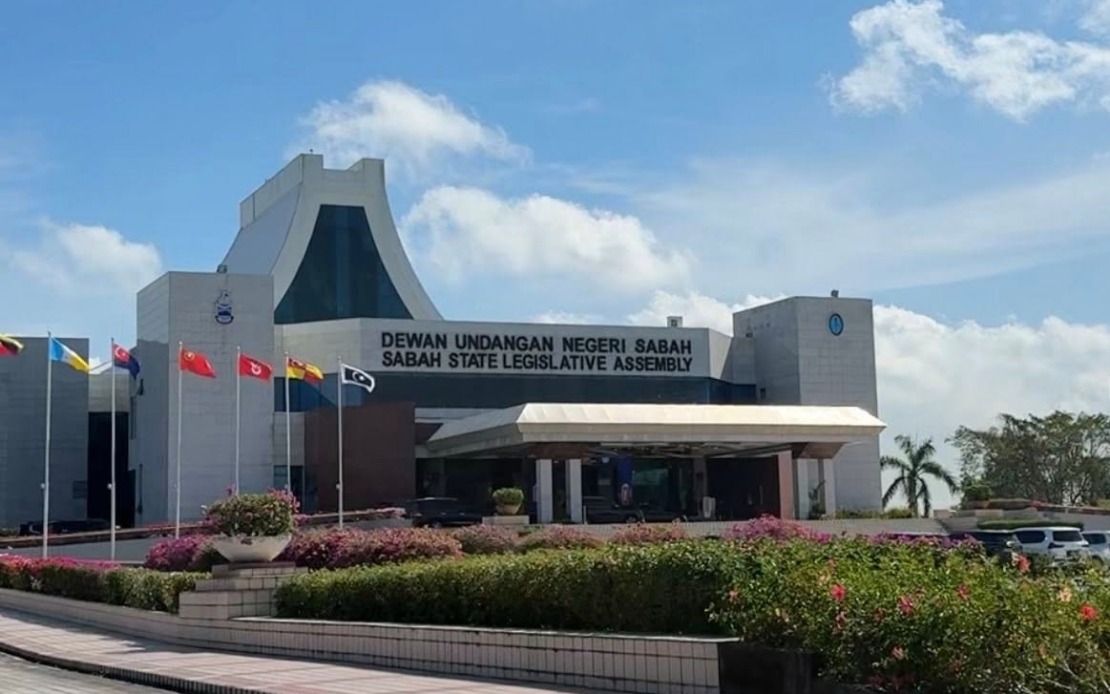
Sabah's state lawmakers have greenlit a RM1.61 billion supplementary budget package on 21 July, moving the government closer to implementing critical infrastructure and administrative programmes throughout the financial year. The measure cleared the assembly floor following substantive debate among 42 members, with approval granted through a majority voice vote presided over by Datuk Al Hambra Tun Juhar, the Legislative Assembly's Deputy Speaker.
Deputy Chief Minister II and State Finance Minister Datuk Seri Masidi Manjun introduced the Supplementary Supply Bill 2026 to the assembly floor the preceding day. The tabling of such supplementary appropriations reflects the state government's evolving fiscal priorities and its need to address budgetary pressures that emerged after the initial 2026 estimates were finalised. Such supplementary allocations are routine in Malaysian state governance, allowing governments to respond to unforeseen expenditures or newly prioritised development initiatives without waiting for the following fiscal year.
The bulk of the supplementary allocation—RM856 million—addresses statutory fund contributions, reflecting Sabah's obligations to mandatory reserve accounts and statutory bodies. These contributions typically support pension schemes, sinking funds, and other legally mandated financial commitments that form the foundation of sound fiscal management. The size of this portion underscores the state's priority in meeting long-term financial obligations and maintaining the stability of state institutions.
Operating expenditure claims the second-largest slice at RM278 million, funding the day-to-day operations of government departments and agencies. This category encompasses wages, utilities, maintenance of government properties, and routine administrative expenses essential for delivering public services across Sabah's diverse geography. For a state spanning over 73,000 square kilometres with scattered population centres, operational costs remain substantial, particularly for rural service delivery and inter-district coordination.
Development expenditure receives RM210 million, earmarked for capital projects and infrastructure advancement. This allocation enables the state to pursue physical development initiatives ranging from road upgrades and water supply systems to healthcare facilities and educational infrastructure. In Sabah's context, development spending carries particular significance as the state continues modernising its economic foundations and improving connectivity between urban and rural areas.
Administrative expenditure of RM162 million covers overhead costs associated with governance functions, including office supplies, equipment procurement, and systems maintenance. State grants totalling RM93 million represent financial support channelled to local authorities, educational institutions, and other state-dependent organisations. These grants reflect the state government's role in nurturing local governance capacity and supporting community-level institutions.
A final RM13 million in special allocations provides flexibility for contingencies or priority programmes that may not fit neatly into standard budgetary categories. Such discretionary funds often enable swift government response to emerging opportunities or urgent needs without requiring fresh legislative approval.
The passing of this supplementary bill signals Sabah's fiscal responsiveness to mid-year developments and demonstrates the assembly's readiness to approve necessary government expenditure. The relatively broad support—evident from the voice vote passing without recorded dissent—suggests cross-party consensus on the state's spending priorities, even if political differences exist on other policy matters. This pragmatic approach to financial management reflects recognition that adequate government funding directly impacts service delivery and economic stability.
For Malaysian readers following regional developments, Sabah's supplementary appropriation underscores how state governments manage fiscal planning within Malaysia's federal structure. States possess constitutionally guaranteed revenue sources and independent budget-making authority, though they coordinate with federal programmes and receive federal allocations. The RM1.61 billion supplement represents Sabah's additional commitment to state-level spending beyond its original annual budget, illustrating how states adjust their financial strategies as circumstances evolve throughout the year.
The assembly's continuation of proceedings on the following day suggests other business awaited consideration, reflecting the typical agenda of state legislatures during their sittings. Sabah's legislative calendar requires regular assembly convocations to handle government business, appropriation debates, and matters of public concern brought by elected representatives.

