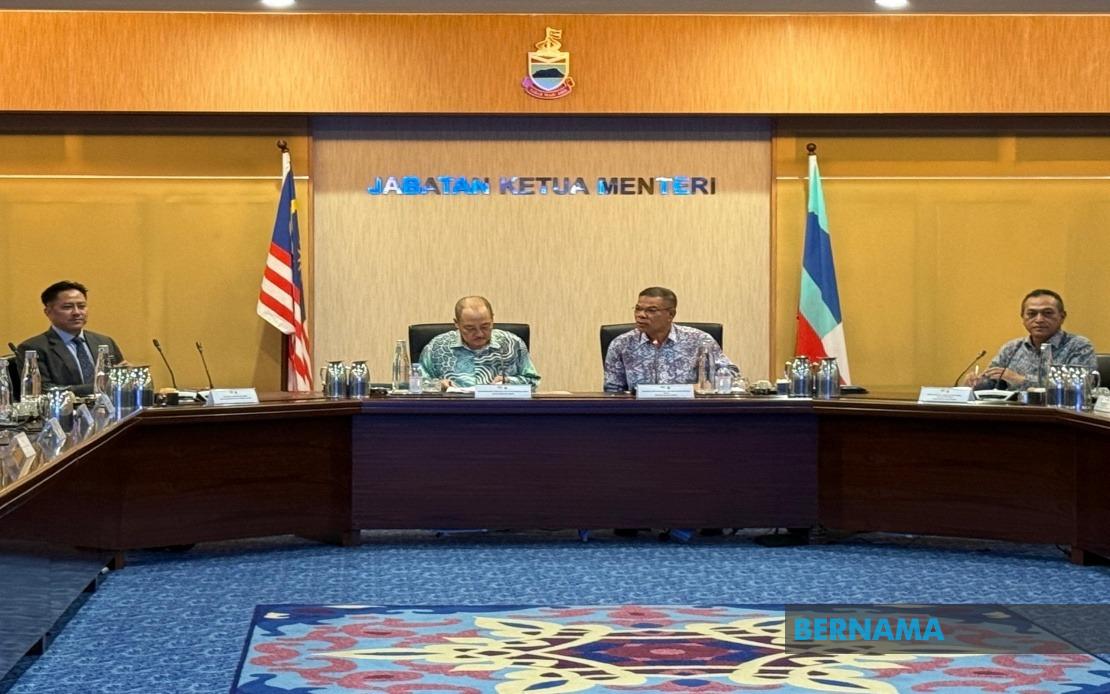
Sabah's Chief Minister Datuk Seri Hajiji Noor has made a strategic appeal to the international community, calling for a coordinated diplomatic campaign aimed at persuading foreign embassies and high commissions to revise downward their travel warnings for Eastern Sabah. Speaking after a high-level security coordination meeting held at Menara Kinabalu in Kota Kinabalu on August 6, Hajiji underscored the connection between updated international travel advisories and the state's economic prospects, particularly its struggling tourism sector along the east coast.
The push reflects growing frustration within the Sabah government over what officials view as outdated perceptions about regional security. Despite concrete improvements on the ground, many foreign governments continue to maintain elevated travel warnings that discourage their citizens from visiting Eastern Sabah's coastal areas and islands. These advisories, which often remain in place due to bureaucratic inertia and worst-case scenario planning, have created a persistent headwind for tourism operators and local communities dependent on visitor spending.
At the core of Sabah's reassessment case lies an impressive security record: no kidnap-for-ransom incidents have been documented in the Eastern Sabah Security Zone since January 2020. This six-year stretch without major abductions represents a dramatic reversal from the mid-2010s, when maritime piracy and hostage-taking along Sabah's eastern waters represented a genuine and immediate threat to regional stability and international commerce. The achievement reflects sustained operational efforts by security forces coordinated through the Eastern Sabah Security Command.
Hajiji emphasised that effective communication channels with diplomatic missions are essential for translating these security gains into concrete changes to travel advisories. The diplomatic pathway appears necessary because foreign governments typically base their warnings on both current conditions and historical precedent, meaning that institutions accustomed to viewing Eastern Sabah as a high-risk zone may require substantial and repeated reassurance before adjusting their official positions. The Chief Minister's recent personal inspection tour of six islands in Sabah waters, undertaken to evaluate security posts and operational readiness directly, may be intended partly to generate evidence for diplomatic conversations.
The meeting at which Hajiji made these remarks was co-chaired with Home Minister Datuk Seri Saifuddin Nasution Ismail, reflecting the strategic importance placed on this issue at the federal level and demonstrating alignment between Sabah's state government and Kuala Lumpur on regional security priorities. The presence of both state and federal leadership signals that addressing travel advisories is now regarded as a matter of national economic interest rather than a parochial state concern. This coordination indicates recognition that Eastern Sabah's rehabilitation has implications for Malaysia's broader international standing and competitiveness as a tourist destination.
Secure maritime zones represent significant economic assets for states in Southeast Asia, enabling both tourism development and efficient commercial shipping operations. Countries throughout the region have learned that persistent travel warnings, even when based on historical rather than current conditions, can devastate local economies by suppressing visitor arrivals and deterring foreign investment. Sabah's push to update international perceptions aligns with similar campaigns undertaken by other governments seeking to recover from security-related tourism downturns.
The security infrastructure supporting this achievement remains substantial and visible. The Eastern Sabah Security Command, the Royal Malaysia Police, the Malaysian Armed Forces, and the Malaysian Maritime Enforcement Agency have collectively maintained constant operational pressure in the zone, with personnel stationed at frontier posts throughout the region. Hajiji's acknowledgement of these forces' sacrifices reflects recognition that the zero-kidnapping record represents sustained institutional commitment rather than fortunate circumstance.
The diplomatic initiative also carries implications for Malaysia's relationships with major source markets for international tourism. Governments in Europe, North America, Australia, and other developed nations typically maintain conservative travel advisory policies, particularly regarding maritime security threats. Convincing these governments to revise their assessments of Eastern Sabah will require sustained, coordinated effort and possibly the involvement of tourism industry representatives who can speak to current operational realities.
Beyond immediate tourism concerns, the diplomatic push reflects broader questions about how quickly international institutions adjust to changed circumstances. Travel advisories, once issued, develop a kind of institutional permanence that persists even after underlying conditions have transformed. This inertia can impose lasting economic costs on regions that have successfully addressed security challenges, as potential visitors and investors remain deterred by outdated warnings.
For Malaysian policymakers, the success or failure of this diplomatic campaign will offer lessons about the diplomatic tools available for reshaping international perceptions of regional security. If foreign governments respond positively to updated information and direct engagement, the model could be replicated in other areas where Malaysia seeks to attract investment or tourism. Conversely, if advisories prove resistant to change despite improved conditions, it would suggest that international risk perceptions operate according to different logic than state-provided security data.
The involvement of senior officials from both state and federal governments underscores commitment to pursuing this diplomatic strategy through appropriate channels. Regular meetings of the ESS Zone Joint Committee, chaired jointly by the Chief Minister and Home Minister, will presumably track both security metrics and the diplomatic progress toward revised travel advisories. This institutional arrangement ensures that security performance and international reputation management remain aligned as ongoing priorities.

