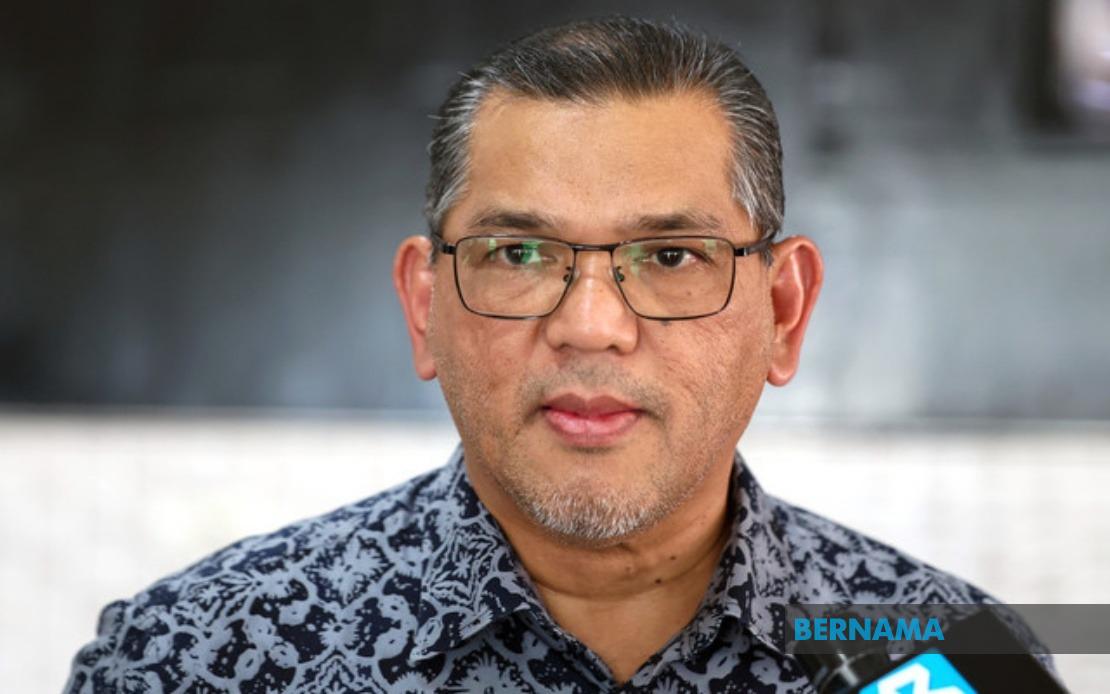
A comprehensive entrepreneurship support initiative in Sabah has successfully channelled RM21 million to nearly 7,000 young business owners over the past three years, demonstrating substantial government commitment to youth economic empowerment in East Malaysia. The Sabah Youth Entrepreneur Scheme (SYABAS) has evolved into a cornerstone programme for the state's economic diversification strategy, providing both financial assistance and ongoing business development support to a diverse cohort of young enterprises across multiple sectors. Since its inception in 2022, the scheme has grown to encompass 6,951 recipients, with Sabah Youth, Sports Development and Creative Economy Minister Datuk Nizam Abu Bakar Titingan announcing these figures during a recent State Legislative Assembly sitting in Kota Kinabalu.
The breadth of SYABAS's reach underscores its role as an inclusive economic intervention tool, extending support across all constituencies including smaller areas such as Nabawan, which alone has produced 64 young entrepreneurs under the initiative. This geographic distribution reflects a deliberate policy approach to ensuring that development benefits extend beyond major urban centres, addressing long-standing disparities in entrepreneurial access and capital availability across Sabah's diverse communities. The state government's effort to track and support recipients through dedicated database management represents a departure from traditional grant-and-forget models, establishing instead a framework for sustained engagement and accountability.
What distinguishes SYABAS from conventional funding schemes is its integrated support ecosystem that extends well beyond initial capital disbursement. The ministry maintains structured follow-up mechanisms encompassing coaching sessions, real-time business monitoring, and capacity-building workshops designed to equip entrepreneurs with practical skills for sustainable growth. This comprehensive approach reflects an understanding that young entrepreneurs, particularly first-time business operators, require more than access to capital; they need mentorship, market intelligence, and operational guidance to navigate competitive landscapes successfully. The inclusion of formal capacity-building components significantly enhances survival and growth rates among recipient enterprises compared to unsupported ventures.
Several high-profile success stories emerging from the SYABAS cohort demonstrate the scheme's potential to catalyse genuine economic transformation at the grassroots level. Amran Jining, operating a vegetable hydroponic farm from Keningau, exemplifies how SYABAS funding enables adoption of modern agricultural technologies that enhance productivity and sustainability. Similarly, Erliana Said's bakery business in Tawau has established itself as a viable commercial operation, while cosmetics entrepreneur Sitti Fatimah Janna represents the creative and value-added production sectors that Sabah is actively promoting. Critically, some recipients have achieved income levels in the millions, with their products securing access to international markets, a testament to the quality of enterprises the scheme has enabled and the potential for Sabah-grown businesses to compete globally.
The strategic expansion of SYABAS's support infrastructure through collaborative partnerships with government agencies, educational institutions, and private sector players reflects a broader ecosystem-building approach gaining traction across Southeast Asian economies. By forging formal connections between training providers and industry actors, the state government is attempting to create seamless pathways from entrepreneurial aspiration through skill development to market entry and scaling. These partnerships span critical growth sectors including tourism, agriculture, aquaculture, fisheries, logistics, construction, and the burgeoning digital and creative economies, ensuring that SYABAS recipients receive opportunities relevant to Sabah's strategic economic priorities and regional comparative advantages.
Paralleling the SYABAS initiative, Sabah's government has positioned Visit Sabah Year 2027 as a complementary catalyst for inclusive economic development, with the tourism campaign designed to generate multiplier effects across interconnected sectors. Assistant Minister for Tourism, Culture and Environment Dr Andi Md Shamsureezal Mohd Sainal emphasised that the campaign transcends conventional visitor arrival targets, functioning instead as a vehicle for distributing tourism revenue and employment benefits throughout provincial communities and small business ecosystems. This reconceptualisation of tourism development as a value chain exercise reflects sophisticated understanding of how international visitor expenditure can be structured to maximise local capture rather than concentrating benefits among large operators and multinational corporations.
The value chain framework underpinning Visit Sabah Year 2027 specifically targets accommodation providers, transport operators, food and beverage establishments, handicraft producers, and community-based tourism enterprises as primary beneficiaries. By identifying and strengthening these interconnected components, the government aims to ensure that visitor spending circulates through local economies, generating employment and entrepreneurial opportunities for residents rather than leaking out through imported services or external ownership. Sabah's small and medium enterprises, including many SYABAS graduates, stand positioned to capture significant portions of tourism demand if the promotional infrastructure and market access support materialise as intended.
The campaign's four foundational pillars—culture, adventure, nature, and sustainability—reflect strategic positioning that aligns Sabah's inherent geographical and cultural assets with evolving global tourism preferences. International traveller demand has increasingly shifted toward experiential, culturally-immersive, and environmentally-conscious offerings, preferences that Sabah's diverse indigenous heritage, world-class natural attractions, and conservation initiatives naturally accommodate. By anchoring Visit Sabah Year 2027 around these pillars, the state government is attempting to capture premium market segments willing to spend substantially on quality experiences, thereby maximising revenue per visitor while potentially reducing volume-driven environmental pressures.
The ongoing engagement sessions between the Sabah Tourism Board and industry players represent critical mechanisms for translating policy aspirations into practical commercial reality. These consultations ensure that campaign activities and promotional materials reflect industry capacity, market positioning, and operational realities rather than imposing top-down initiatives disconnected from commercial viability. The Sabah Tourism Board's commitment to targeted promotion, small operator market expansion, and SME incentivisation directly benefits SYABAS recipients operating tourism-related businesses, creating explicit linkages between youth entrepreneurship support and tourism sector development.
For young entrepreneurs across Sabah, these coordinated initiatives create a supportive ecosystem characterised by initial capital access, ongoing mentorship, strategic business partnerships, and targeted market development. SYABAS graduates entering tourism, hospitality, food production, and handicrafts sectors will encounter government-backed promotion, expanded international visitor flows, and partnership opportunities with larger operators through the Visit Sabah Year 2027 framework. This interconnected approach to entrepreneurship and sector development represents increasingly sophisticated governance, moving beyond isolated programmes toward holistic economic strategies that recognise interdependencies between human capital development, infrastructure investment, and market creation.
The Malaysian and regional implications of Sabah's integrated approach merit consideration as other states contemplate youth entrepreneurship frameworks. The scheme demonstrates that sustained, adequately-funded, and professionally-managed youth enterprise programmes can generate genuine economic transformation while remaining fiscally manageable—RM21 million across 6,951 entrepreneurs represents approximately RM3,000 per recipient, a modest per-unit investment yielding demonstrable returns through business creation and employment generation. The emphasis on follow-up support and ecosystem collaboration offers a replicable model for states seeking to maximise returns on entrepreneurship investment. As Sabah continues rolling out Visit Sabah Year 2027 and expanding SYABAS's reach, the state positions itself as an emerging practitioner of integrated development strategy in Southeast Asia's increasingly competitive economic landscape.

