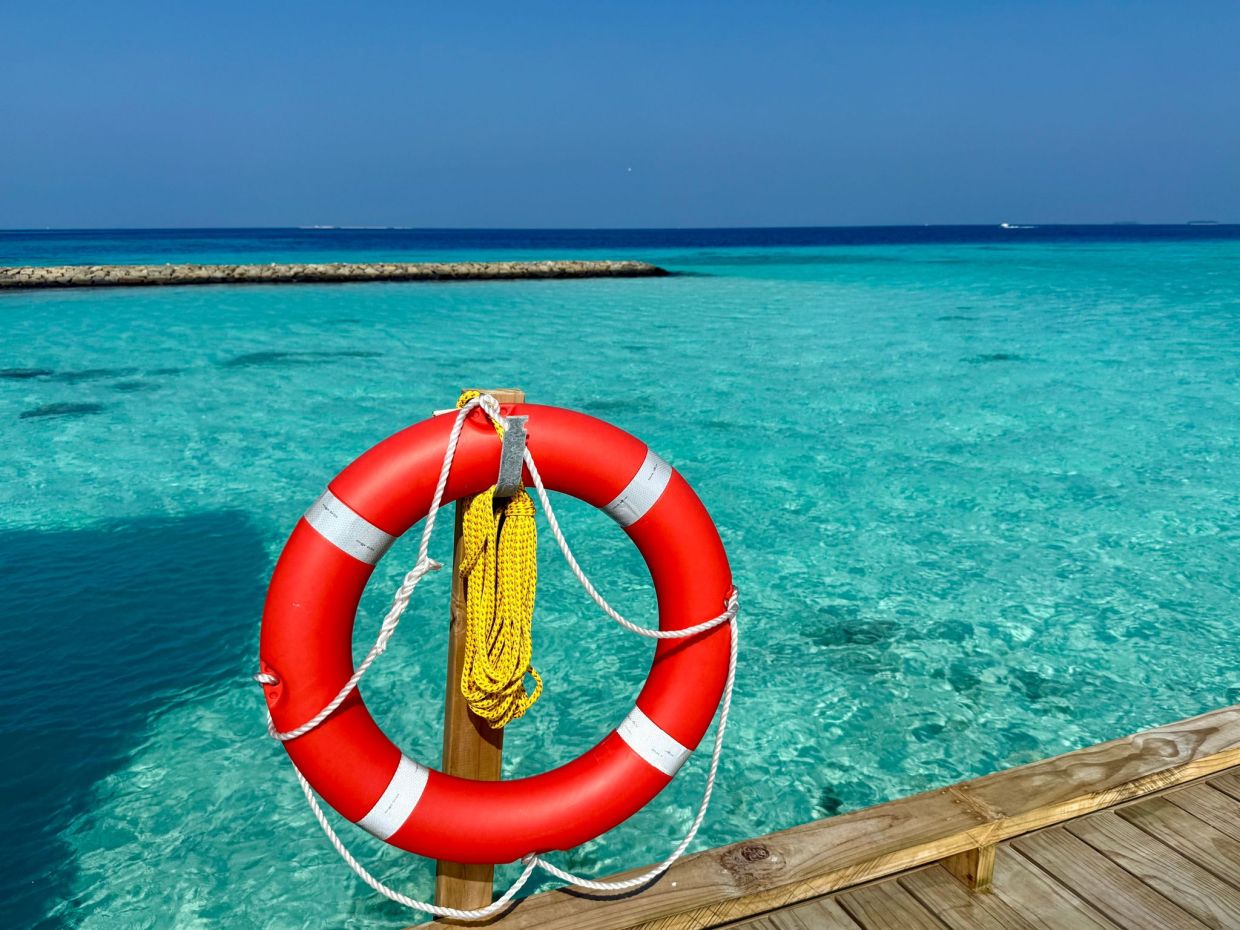
Swimming in open water—whether in tropical seas, rivers, or inland lakes—offers refreshing recreation during holidays and leisure time, but the experience demands respect for environmental conditions and potential hazards that many recreational swimmers underestimate. Peter Dawes, general manager of lifeguard operations at the Royal National Lifeboat Institution (RNLI), emphasises a critical gap between perceived and actual risk: swimmers frequently overestimate their capabilities whilst downplaying the dangers they may encounter. This psychological bias, combined with unfamiliar water environments, creates situations where preventable incidents occur, making pre-swim preparation and awareness essential components of water safety.
Water temperature represents one of the most deceptive hazards facing open-water swimmers, particularly in regions where air temperatures appear warm and inviting. Many swimmers fail to recognise that even on the warmest days, water temperatures can remain dangerously cold, triggering involuntary physiological responses that compromise swimming ability. Cold-water shock—the body's instinctive gasp reflex upon sudden immersion in cold water—can occur regardless of fitness level or swimming experience. This reaction causes hyperventilation and potential water inhalation, making gradual acclimatisation rather than rapid entry into the water a fundamental safety principle. Swimmers entering water too quickly without allowing their body time to adjust face elevated risks of panic and disorientation.
Prior to any open-water swimming excursion, gathering accurate information about conditions proves invaluable. Visitors to beaches should research tide times and patterns, whilst those swimming in rivers need understanding of current speeds and water levels. Consulting with lifeguards stationed at supervised beaches or facilities provides direct access to expert local knowledge about current hazards, weather patterns, and safe swimming zones. These professionals can alert swimmers to specific dangers unique to that particular location and time of year, information unavailable through generic guidelines alone.
Rip currents rank among the most significant threats at coastal locations, whilst inland waterways present entirely different underwater hazards requiring distinct awareness. Rip currents—narrow, powerful flows moving seaward through the surf zone—can quickly pull swimmers away from shore, disorienting even confident swimmers. Inland waters such as lakes and rivers harbour submerged obstacles including tree roots, branches, accumulated rubbish, and debris that may cause injury upon sudden contact. Water clarity in these inland environments frequently proves insufficient for swimmers to identify such hazards before entering, underscoring the importance of cautious, deliberate entry rather than diving or jumping directly into unknown water.
Lifeguarded beaches employ red and yellow flags to demarcate the safest swimming areas, zones selected through professional assessment of local conditions and hazard distribution. Swimmers should remain within these designated flags, as lifeguards cannot monitor areas outside their focus zones and have positioned flags specifically in locations offering maximum safety. On dynamic beaches where sandbars shift with currents, areas immediately beyond the flagged zone may contain rip currents or other dangerous conditions not apparent from the beach. This strategic positioning of flags represents lifeguard expertise applied to protect the maximum number of swimmers within realistic supervision capacity.
Small children require constant, proximate supervision when entering water, with caregivers maintaining arm's length contact at all times, sufficient distance to prevent unintended submersion or panic situations. Children should wear bright, highly visible clothing rather than camouflaged or dull-coloured swimwear, ensuring they remain easily spotted amid water reflections and crowded beach environments. This visual strategy prevents the dangerous situation where young swimmers become separated or lost within sight of their supervising adults, a scenario that develops rapidly in open-water settings where topographical features and other swimmers create visual obstruction.
Entering water requires deliberate technique prioritising gradual acclimatisation over swift immersion. Wetsuits provide thermal protection whilst also offering psychological confidence and buoyancy assistance, particularly valuable for inexperienced open-water swimmers. Before entering any unfamiliar water body, swimmers must identify clear exit points, ensuring they understand how and where to leave the water should conditions deteriorate or fatigue develop. This planning prevents panic situations where swimmers become disoriented about shore direction or appropriate exit routes, a surprisingly common element in water-related incidents.
The underwater environment presents hazards requiring thoughtful navigation strategies. Slow water entry provides opportunity for swimmers to detect submerged obstacles, temperature changes, and deepening conditions whilst remaining in controlled circumstances. Rapid entry—diving or jumping—eliminates this safety advantage, substantially increasing injury risk from unseen hazards and reducing the swimmer's ability to respond to unexpected conditions. Even in familiar waters, entry protocols should remain consistent, as seasonal changes, storm activity, and regular water flow alterations continuously modify underwater conditions.
Emergency response procedures begin with understanding that floating provides the most reliable survival technique when swimmers encounter difficulties. Practising floating in safe supervised environments such as swimming pools allows swimmers to develop muscle memory and confidence in this life-saving technique. Proper floating technique involves tilting the head backward until ears submerge whilst maintaining a flat body position, keeping the airway above water surface, and breathing normally. This position permits recovery of normal breathing patterns whilst conserving energy during rescue waiting periods. Unlike swimming or treading water, floating requires minimal energy expenditure, extending the duration a swimmer can remain safe whilst awaiting assistance.
When observing others experiencing water difficulties, immediate emergency service contact provides the critical first response. Coastal swimmers should request coastguard services, whilst inland water swimmers require fire and rescue service dispatch. Direct intervention by untrained bystanders frequently results in secondary victims, as drowning individuals may panic and overpower rescuers. The safest assistance involves professional responders equipped with appropriate rescue equipment and training for varied water conditions. Understanding these procedural distinctions ensures rapid, appropriate professional response rather than delayed or misdirected emergency assistance.

