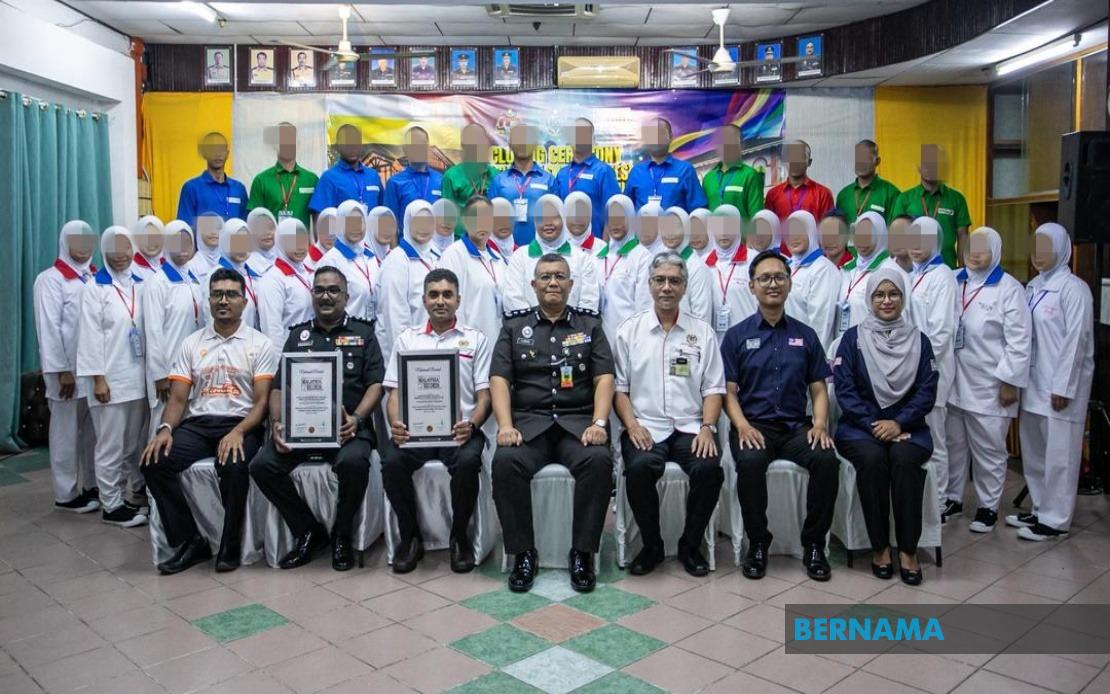
Home Minister Datuk Seri Saifuddin Nasution Ismail has lauded the Malaysian Prisons Department for achieving recognition in the Malaysia Book of Records, following the successful organisation of a specialised medical training course at Batu Gajah Correctional Centre. The achievement centres on a Basic Life Support and Automated External Defibrillator training programme that involved 42 inmates, marking a notable milestone in the department's broader rehabilitation efforts.
The recognition reflects a significant shift in how Malaysia's correctional system conceptualises its role within society. Rather than viewing prisons solely as punitive institutions where sentences are served, the minister emphasised that modern correctional facilities function as rehabilitation centres designed to offer individuals genuine pathways toward personal renewal and social reintegration. This philosophical repositioning has become increasingly central to international best practices in criminal justice reform.
Saifuddin highlighted that the initiative demonstrates far more than a single training accomplishment. By equipping inmates with formally recognised life-saving competencies, the programme simultaneously cultivates broader personal development outcomes. Participants acquire practical medical knowledge while absorbing core values including humanitarian concern for others, structured discipline, personal accountability and the confidence necessary to function constructively within society once their sentences conclude.
The broader implications of such programmes extend beyond individual transformation. When formerly incarcerated individuals reintegrate into their communities possessing marketable skills and strengthened character foundations, they become more likely to secure employment, maintain family relationships and avoid re-offending. This creates ripple effects throughout Malaysian society, reducing recidivism rates, lowering future criminal justice costs and strengthening community safety networks.
The minister articulated a clear departmental philosophy that deliberately prioritises rehabilitation over retribution. This distinction carries substantial weight for Malaysian policymakers and citizens alike, as it frames the entire correctional enterprise around constructive outcomes rather than purely punitive measures. When rehabilitation becomes the institutional focus, prisons transform from warehouses of human suffering into productive spaces where people address underlying behavioural issues and develop genuine capacities for lawful living.
Saifuddin's emphasis on ensuring that released individuals possess not only technical skills but also aligned values and practical competencies speaks to a holistic rehabilitation model. This approach recognises that technical training alone proves insufficient without concurrent character development and psychological preparation for community reintegration. The combination of life-saving medical skills with cultivated values creates returning citizens better equipped to contribute meaningfully to their families and broader society.
From a Southeast Asian perspective, Malaysia's visible commitment to prison rehabilitation mirrors growing regional recognition that incarceration without rehabilitation perpetuates cycles of criminality. As neighbouring countries grapple with overcrowded correctional systems and rising recidivism challenges, Malaysia's systematic approach to inmate skill-building and character development offers a model worthy of regional attention and potential adaptation.
The minister's call for expanded implementation of similar high-impact programmes indicates forward momentum within the penitentiary system. Scaling initiatives beyond Batu Gajah would require sustained funding, trained facilitators and institutional commitment, yet the documented success of this particular intervention suggests the investment would yield measurable returns in reduced reoffending and improved social outcomes.
For ordinary Malaysians concerned with public safety and criminal justice policy, such programmes represent an enlightened approach to their practical interests. Communities benefit when released inmates possess employment skills, have rebuilt self-worth and internalised responsibility rather than harbouring resentment toward society. This pragmatic dimension complements the humanitarian rationale for rehabilitation-focused incarceration.
The Malaysia Book of Records recognition serves an important symbolic function, validating the Prisons Department's work within public consciousness and potentially inspiring similar initiatives across the correctional network. When official recognition accompanies rehabilitation efforts, it signals institutional priority and resource commitment that extends beyond ministerial statements.
Looking forward, sustaining this trajectory requires consistent policy support, adequate resource allocation and continued development of programmes that simultaneously address practical skill gaps and deeper character formation. The Batu Gajah achievement demonstrates that Malaysian correctional institutions possess the capacity to deliver meaningful transformation when properly structured and supported.
The Prisons Department's trajectory reflects Malaysia's broader commitment to criminal justice modernisation. By positioning rehabilitation as central rather than peripheral to correctional practice, the system moves closer to international standards while addressing concrete domestic challenges around social reintegration and public safety.

