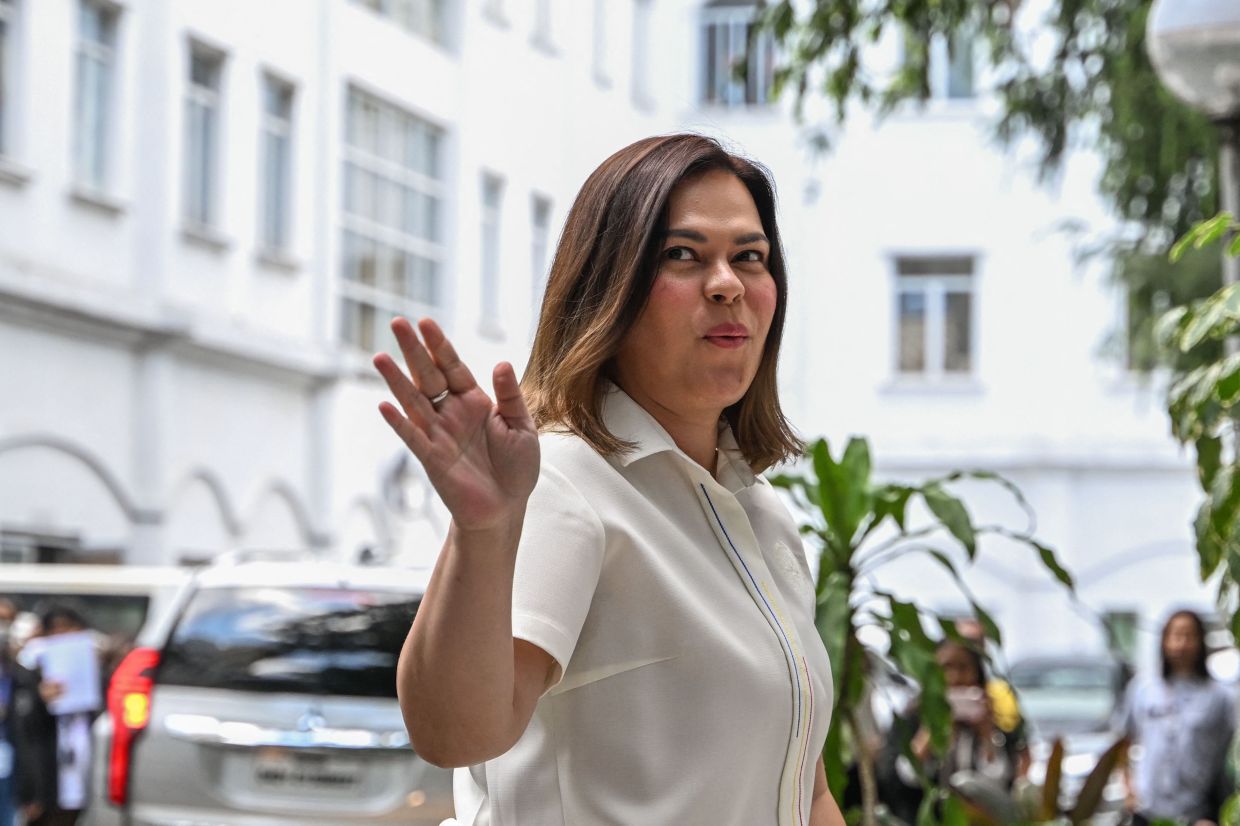
The Philippine Palace confirmed Tuesday that Vice President Sara Duterte is currently outside the country on an officially approved foreign tour scheduled to run through the end of July, even as her impeachment trial continues in her absence. Palace press officer Claire Castro revealed during a media briefing that President Ferdinand Marcos Jr, via the Office of the Executive Secretary, had authorised the Vice President's international journey across multiple European destinations, marking a significant development as political tensions in Manila intensify around her removal case.
Duterte's itinerary encompasses a span of 16 days, beginning July 16 and concluding July 31, taking her through Qatar, Germany, the United Kingdom, Northern Ireland, and the Netherlands. The Palace characterised the journey as a "personal trip," though the timing raises questions about the symbolism of her departure as legislators debate her impeachment complaint. Her current location, confirmed by Defence spokesperson lawyer Michael Poa, places her in The Hague, the Dutch city home to major international institutions and, significantly, the seat of the International Criminal Court.
The Vice President's presence in The Hague appears intimately connected to family circumstances. Her father, former President Rodrigo Duterte, has been held in detention there since March of the previous year, pending his scheduled trial before the ICC on November 30. The former chief executive faces charges of crimes against humanity centring on allegations of indirect co-perpetration in extrajudicial killings that occurred during his aggressive anti-drug and anti-crime operations spanning 2011 to 2019. During this period, Duterte served first as Davao City mayor before ascending to the presidency, a tenure marked by the controversial drug war that claimed thousands of lives and drew international scrutiny.
The former President's detention followed his arrest by Philippine authorities acting on an ICC warrant issued in connection with the crimes against humanity allegations. This development represented a dramatic reversal in the elder Duterte's legal standing, having previously enjoyed immunity as an incumbent official. The removal of that presidential protection created space for the international court to pursue its investigation and prosecution, transforming him from a sitting leader into a detained defendant.
The convergence of Sara Duterte's overseas absence and her father's legal circumstances, alongside her own impeachment proceedings, creates a layered political narrative. Her impeachment trial, which continues in her absence, represents a domestic political struggle that has fractured the coalition that brought Marcos Jr to power. The Vice President has been targeted in what observers view as a politically motivated effort to remove her from office, accusations that have polarised the Philippine political establishment and animated debates about constitutional governance.
Malacanang's confirmation of the approved trip signals presidential endorsement of her journey, though such approval during an active impeachment trial underscores the constitutional complexities surrounding the Vice President's legal status and her entitlements during formal proceedings against her. The decision by Marcos Jr to permit her departure demonstrates either confidence in her trial defence or reflects pragmatic political calculations about the impeachment's trajectory.
Duterte's Defence spokesperson indicated she would return soon, suggesting her absence from the Philippines is temporary rather than indicative of any attempt to flee. Her legal team continues to participate in trial proceedings despite her physical absence, a strategy that raises questions about the proper conduct of impeachment hearings when the accused is abroad. The Philippines' legal framework provides for the accused's right to present a defence, though the practical application of impeachment proceedings in the age of international mobility and family obligations presents novel constitutional challenges.
For regional observers, the case illustrates ongoing tensions within Philippine democracy regarding accountability for alleged rights violations and the intersection of domestic political rivalries with international justice mechanisms. The elder Duterte's detention in The Hague represents a landmark moment in Southeast Asian history, demonstrating that even former heads of state may face international prosecution for alleged crimes. This development has broader implications for regional leaders who have pursued comparable anti-crime operations or maintained contentious security records.
Sara Duterte's decision to visit her father during this charged political moment carries symbolic weight beyond the personal. It signals family solidarity during a period when the Duterte political dynasty faces unprecedented legal jeopardy and internal political assault. The Vice President's impeachment attempt represents an effort by rival factions to exploit factional divisions within the ruling coalition, transforming what began as an alliance into a fractious arrangement vulnerable to shifting allegiances and political manoeuvre.
The approval of her trip by Marcos Jr also reflects calculations about timing and political viability. By allowing the Vice President to travel while her trial proceeds, the President neither capitulates to her opponents nor entirely prevents her from managing personal and family matters. This middle path avoids the appearance of vindictive governance while preserving the trial's continuity. For Malaysian and regional observers, the case demonstrates how Asian democracies grapple with balancing institutional procedures, personal rights, international obligations, and political rivalries during periods of acute constitutional tension.

