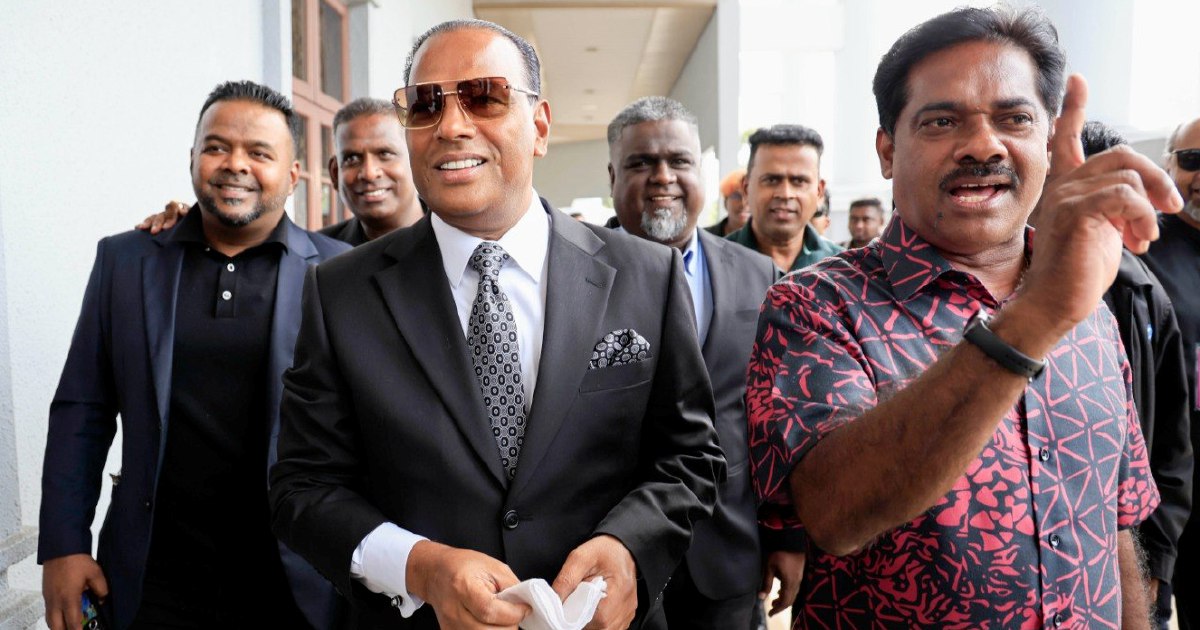
Datuk Seri M. Saravanan, who previously served as Malaysia's Human Resources minister, has mounted a vigorous defence against corruption allegations, dismissing three charges of accepting RM1.097 million in bribes as entirely without merit. Speaking in the capital, the embattled former minister struck an indignant tone, framing the legal accusations as unfounded and questioning the credibility of those bringing the charges forward.
The charges represent a significant escalation in what has become an increasingly contentious legal battle. The alleged bribes, totalling just over one million ringgit, span a period that overlaps with Saravanan's tenure in the human resources portfolio, a role that placed him in a position to influence major policy decisions and contract awards affecting the ministry's operations and budget allocations.
Saravanan's public statement represents his first major pushback against the allegations since they were formally lodged. By characterising the charges as "wild accusations", he is attempting to delegitimise the prosecution's case before the judicial process unfolds, a common tactical approach in high-profile Malaysian corruption cases where public perception often shapes political outcomes.
The former minister's rhetorical strategy carries implications beyond his individual legal standing. His dismissal of the charges speaks to broader tensions within Malaysia's political establishment regarding the application of anti-corruption laws, particularly as they affect individuals who occupied senior government positions during the previous administration. This dynamic has become increasingly fraught, with different political factions questioning whether enforcement mechanisms are being weaponised for partisan advantage.
The Human Resources ministry portfolio, which Saravanan previously held, oversees crucial policies affecting millions of Malaysian workers. The ministry's responsibilities encompass labour standards, workplace safety, and skills development initiatives, making it a position of considerable influence over the private and public sectors alike. Any allegations of financial impropriety involving someone who held such responsibilities inevitably raises questions about the integrity of decisions made during their tenure.
From an institutional perspective, Saravanan's response reflects a pattern common in Malaysian political corruption cases, where accused individuals initially contest charges publicly whilst simultaneously mounting legal defences through their counsel. This dual approach aims to maintain political viability and public support whilst engaging the formal justice system. How effectively either strategy succeeds often depends on factors beyond legal evidence, including media coverage, public sentiment, and the broader political climate.
The RM1.097 million figure is substantial enough to constitute serious wrongdoing under Malaysian law, though not so astronomically large as to suggest institutional-level systemic theft. This scale suggests the allegations involve specific transactions or relationships rather than widespread embezzlement, making the prosecution's case potentially hinge on documentary evidence, witness testimony, and financial trail analysis.
Saravanan's defence must now navigate multiple challenges simultaneously. He faces the formal burden of responding to specific charges within the legal system whilst simultaneously managing his political reputation and relationship with his party. The former minister's public statements, though important for political positioning, ultimately carry less weight than evidence presented in court proceedings.
The case occurs within Malaysia's ongoing broader context of anti-corruption enforcement. The Malaysian Anti-Corruption Commission, which investigates and prosecutes such cases, operates under increasing scrutiny regarding both its effectiveness and the consistency of its application across different political groupings. Saravanan's case will likely be closely watched by those monitoring whether corruption enforcement remains politically motivated or increasingly institutionalised.
For Malaysian observers, the proceedings underscore the vulnerability of high-ranking officials to corruption allegations, regardless of their previous prominence or political connections. The case also highlights how disputes over allegations of wrongdoing frequently play out simultaneously in both courtrooms and the court of public opinion, with different constituencies interpreting evidence through distinct ideological and political lenses.
As the legal process unfolds, attention will focus on whether Saravanan can substantiate his dismissal of the charges as baseless or whether the prosecution will successfully demonstrate the material foundation for the allegations. The outcome carries implications not merely for Saravanan's personal and political future but also for how Malaysia's accountability institutions are perceived to function, particularly regarding senior political figures.

