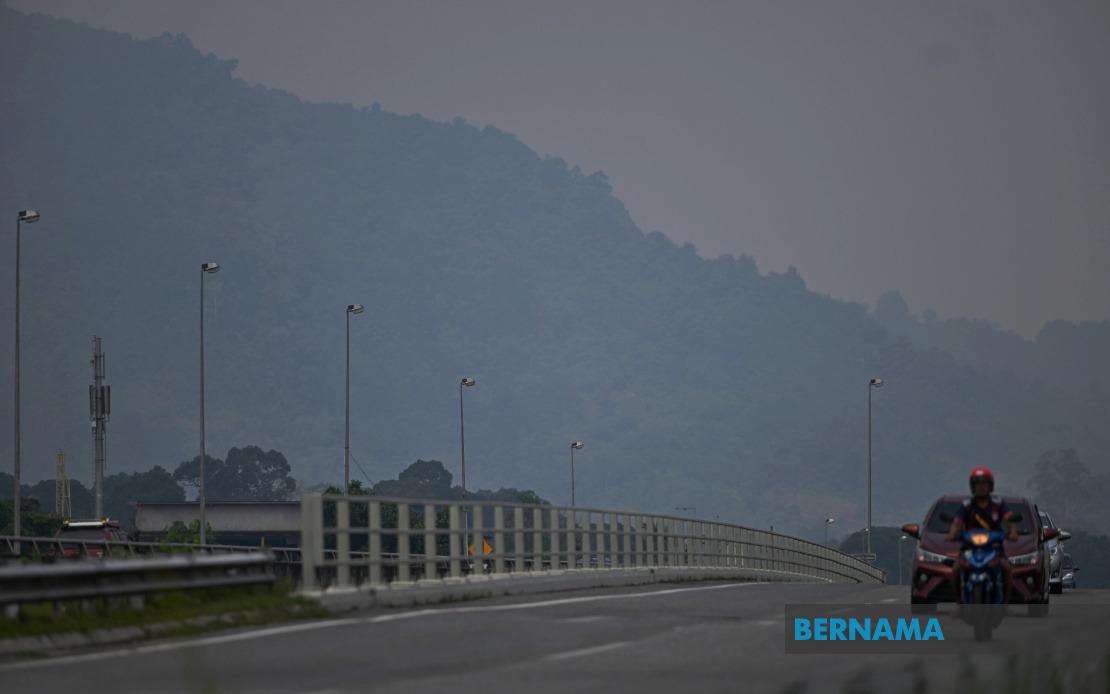
Sarawak is experiencing a significant air quality crisis with multiple regions across the state registering unhealthy pollution levels as of mid-afternoon on August 21. The situation appears most critical in Serian, where the Air Pollution Index reached 227 by 2 pm—a reading classified as 'very unhealthy' and well above the threshold that triggers health warnings and activity restrictions. This dramatic spike reflects a broader deterioration in atmospheric conditions affecting the state, with nine additional locations simultaneously recording unhealthy API measurements that underscore the scale and geographic spread of the pollution event.
According to Azuri Azizah Saedon, deputy director-general of the Department of Environment, Sri Aman emerged as the second most severely affected area with an API reading of 187, followed by Kuching at 176 and Samarahan at 175. The pollution affected communities large and small across the state: Sarikei recorded 174, Sibu reached 157, while Bintulu and Samalaju both measured 154, with Kapit and Mukah at 130. This widespread distribution of unhealthy readings indicates that the haze is not confined to isolated pockets but represents a systemic air quality emergency affecting Sarawak's population across its urban centres and outlying districts.
The deterioration in Sarawak's air quality forms part of a broader pattern affecting the entire Malaysian peninsula on the same day. The nationwide decline in air quality points to regional atmospheric dynamics that extend beyond state boundaries, a reality that becomes more apparent when examining the underlying sources of the pollution. The Department of Environment has attributed the degradation specifically to haze advancing from multiple directions, suggesting that the state faces simultaneous pressure from transboundary smoke plumes rather than a single localised source.
Cross-border smoke transport explains much of Sarawak's predicament. Data compiled by the ASEAN Specialised Meteorological Centre on August 20 identified 288 hotspots across Kalimantan—the Indonesian portion of Borneo island—alongside 53 additional hotspots in Sumatra and just two within Malaysia itself, distributed between Sarawak and Terengganu. The concentration of detected fires in Kalimantan is particularly noteworthy; the region's agricultural practices, land-clearing activities, and seasonal dry conditions create recurring vulnerabilities to both intentional and uncontrolled burning. These fires, often associated with palm oil plantation expansion and timber operations, generate massive smoke plumes that the region's weather patterns inevitably push across international borders.
Meteorological conditions on August 21 compounded the pollution challenge. The ASEAN Specialised Meteorological Centre's Regional Haze Map documented continued dry weather across most of southern ASEAN, with the notable exception of northeastern Borneo and northern Sumatra, which received rainfall relief. Under these dry conditions, the organisation detected hotspots distributed extensively throughout Kalimantan, with isolated flare-ups elsewhere in the southern ASEAN region. Most significantly, the meteorological assessment identified moderate to dense transboundary smoke plumes in West Kalimantan that were actively moving northward into western Sarawak—a phenomenon directly correlated with the unhealthy API readings concentrated in Sarawak's western districts.
For Malaysian readers, this episode illustrates a persistent regional challenge that transcends national sovereignty and domestic environmental management. Sarawak's vulnerability to transboundary haze reflects the interconnected geography of Southeast Asia and the limitations of unilateral pollution control. While the Department of Environment has stepped up enforcement operations and daily patrols in areas identified as potential open-burning sources, and has activated both the National Open Burning Action Plan and the National Haze Action Plan to coordinate inter-agency responses, these measures address only the domestic contribution to the problem. The reality is that the majority of Sarawak's current air quality crisis originates from Indonesian territory, requiring regional cooperation and monitoring to prevent recurrence.
The activation of multiple national action plans indicates that authorities recognise the severity of the situation and the need for coordinated government response. These frameworks enable different agencies to align their efforts toward both immediate haze mitigation and underlying fire suppression. Enhanced patrols and enforcement operations aim to detect and prevent local open burning before it can contribute to the regional haze burden. However, the scale of detected hotspots in Kalimantan—288 in a single day—suggests that even robust domestic enforcement will struggle to counteract the transboundary component of the pollution. This reality underscores the importance of diplomatic engagement and regional environmental agreements in managing Southeast Asia's recurring haze cycles.
The health implications for Sarawak residents during this period warrant serious attention. An API reading of 227 in Serian, classified as 'very unhealthy', indicates air quality conditions that pose immediate risks to vulnerable populations including children, the elderly, and individuals with respiratory or cardiovascular conditions. Even healthy individuals may experience respiratory symptoms during extended exposure to such pollution levels. The simultaneous elevation of readings across the state means that health facilities and respiratory services across Sarawak are likely to experience increased demand for treatment of haze-related conditions. Public advisories typically recommend that residents in affected areas limit outdoor activities and use air purification devices during periods of extreme pollution.
The Department of Environment's public messaging emphasises prevention through reporting mechanisms. The agency urges the public to refrain from engaging in open burning and provides two dedicated channels for reporting suspicious burning incidents: the Fire and Rescue Department of Malaysia at 999 for emergency situations, and the DOE itself at 1-800-88-2727 for general reports. These reporting mechanisms represent attempts to extend environmental monitoring beyond official patrols by leveraging community awareness and participation. However, the effectiveness of such systems depends on public cooperation and the responsiveness of enforcement agencies to reported incidents. Given the scale of hotspots already detected in Kalimantan, Malaysian authorities face the sobering reality that even comprehensive domestic enforcement may be insufficient to prevent the recurrence of transboundary haze without corresponding improvements in fire management practices across the border.

