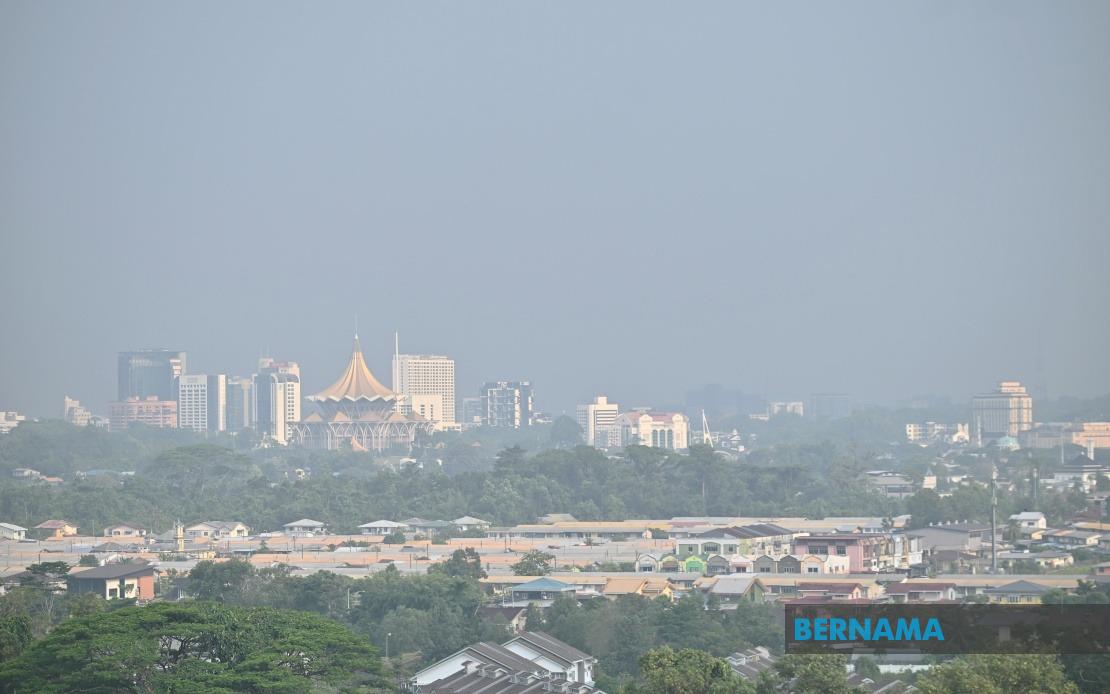
Malaysia's Meteorological Department has cautioned that Sarawak and neighbouring areas of Borneo will experience extended periods of hot and dry weather stretching through August 20, creating conditions conducive to haze formation and compromised visibility across the region. The forecast underscores growing environmental pressures facing East Malaysia as seasonal weather patterns intersect with ongoing land-use challenges.
The sustained heat wave is primarily attributed to prevailing southerly wind patterns combined with an elevated concentration of hotspots dotting the Borneo landscape. This meteorological combination has proven particularly effective at transporting smoke and particulate matter across atmospheric layers, creating the haze conditions that periodically affect air quality in the region. For Malaysian authorities and residents accustomed to seasonal transboundary haze episodes, the warning signals a potentially problematic period ahead.
Southern Sarawak faces the most acute risk, with meteorologists pinpointing this zone as especially vulnerable to visibility degradation. The geography and wind flow patterns in southern portions of the state create natural corridors for smoke transport, meaning residents and businesses operating in Kuching, Sibu, and surrounding municipalities should prepare contingency measures. Schools, hospitals, and outdoor industries typically implement protocols when air quality deteriorates, and advance notice allows time for preparation.
As of mid-morning on August 14, the Malaysian Air Pollutant Index Management System recorded ten locations across the nation at unhealthy readings, with the overwhelming majority concentrated within Sarawak. This distribution pattern reflects the localised nature of the current haze event, contrasting with previous years when transboundary smoke affected the entire peninsula simultaneously. The current episode remains primarily a Borneo phenomenon, though monitoring continues for potential spillover effects.
The Air Pollutant Index reading classifications carry significant practical implications. Unhealthy category readings typically trigger voluntary advisories encouraging vulnerable populations—children, elderly residents, and those with respiratory conditions—to limit outdoor activities and remain indoors with air filtration systems activated. Businesses dependent on outdoor operations, from construction sites to agricultural activities, must adjust schedules and implement protective equipment protocols for workers.
MetMalaysia simultaneously issued thunderstorm and heavy rain alerts for multiple peninsular locations including the entirety of Perlis, Kedah, and Penang, as well as Kuala Lumpur's federal territories. This dual weather scenario—simultaneous heat waves in Borneo and thunderstorm warnings across the peninsula—illustrates Malaysia's complex and regionally variable climate dynamics. The contrasting conditions reflect the interaction between the southwestern monsoon and local convective systems.
The peninsular thunderstorm warning extended through early afternoon and encompassed specific districts across Perak and Selangor. Kerian, Selama, Larut Matang, Manjung, and Bagan Datuk in Perak faced torrential downpour risks, while Selangor's warning zone included Sabak Bernam, Kuala Selangor, Klang, Petaling, Gombak, and Hulu Selangor. These geographically dispersed zones suggest organised thunderstorm systems capable of delivering localised but intense precipitation within short timeframes.
The timing of these divergent weather patterns—heat and drought in East Malaysia contrasting with heavy rain potential in the peninsula—reflects the broader seasonal transition occurring across the region. August typically represents a transitional month when monsoon patterns shift, sometimes creating unstable atmospheric conditions that amplify local weather variability. This meteorological complexity demands responsive forecasting and public communication from weather services.
Public awareness and preparedness mechanisms have become increasingly sophisticated through technological platforms. MetMalaysia actively disseminates real-time warnings via its official website, social media channels, and the dedicated myCuaca mobile application. These digital tools enable residents, particularly those in vulnerable areas, to receive instantaneous updates without relying solely on traditional broadcast media. The myCuaca application in particular provides hyperlocal forecasting at district and even smaller administrative levels, allowing users to make informed decisions about daily activities.
The persistence of hotspots across Borneo raises underlying concerns about land management practices and environmental governance in the region. While seasonal dry weather creates natural conditions conducive to fire ignition, the scale and frequency of hotspots often correlate with agricultural activities, plantation operations, and land-clearing initiatives. Addressing the root causes of fire proliferation requires coordinated policy efforts spanning land-use planning, agricultural regulation, and cross-border cooperation with Indonesian authorities whose territories also generate transboundary smoke.
For Malaysian businesses and logistics operators, the haze forecast carries operational implications. Airlines may experience delays or cancellations if visibility deteriorates significantly, affecting cargo movement and passenger schedules. Port operations and maritime activities also respond to visibility conditions. Supply chains dependent on rapid transportation between Peninsular Malaysia and Sarawak may experience disruptions if haze conditions persist as forecast.
The forecasted duration through August 20 provides a concrete timeline for contingency planning. Residents should stock supplies, ensure air purification systems function properly, and monitor official updates regularly. Organisations managing outdoor activities, public events, or outdoor-dependent services should consider rescheduling plans to align with periods of improved air quality. Schools may need to adjust outdoor physical education schedules and recess arrangements.
Weather forecasting remains inherently uncertain, and atmospheric conditions can evolve differently than predicted. MetMalaysia's August 20 endpoint represents current best-estimate forecasting based on available meteorological data and models, but residents should remain flexible and responsive to updated guidance. The agency's commitment to regular warning updates through multiple platforms ensures that changing conditions receive prompt communication to affected populations across Malaysian territory.

