Education Minister Fadhlina Sidek has moved to allay concerns about the newly introduced School Pupil Protection Policy, emphasizing that the initiative is designed to create a comprehensive safety network rather than shift all accountability to classroom educators. Speaking in a statement released on August 14, Fadhlina outlined how the policy establishes clear protocols and delineates responsibilities across various government and external agencies tasked with protecting student welfare.
The policy sets out structured guidelines that specify what actions different stakeholders should undertake when pupil safety concerns emerge. Rather than expecting teachers to independently investigate or resolve issues, the framework encourages educators to promptly escalate concerns through established channels within their schools. Fadhlina stressed that teachers are not expected to accumulate irrefutable evidence before raising an alarm—reporting suspicions or complaints immediately to school administrators is the appropriate course of action, a distinction she emphasised to reassure the profession.
The breadth of the protective ecosystem outlined by the minister demonstrates the government's intent to distribute responsibility appropriately. Beyond educational personnel, the framework incorporates the Ministry of Education, State Education Departments, District Education Offices, and critically, external agencies including the Royal Malaysia Police and the Social Welfare Department. This multi-agency approach reflects international best practices in child protection, where specialized agencies handle investigation and intervention while schools function as detection and reporting nodes within the system.
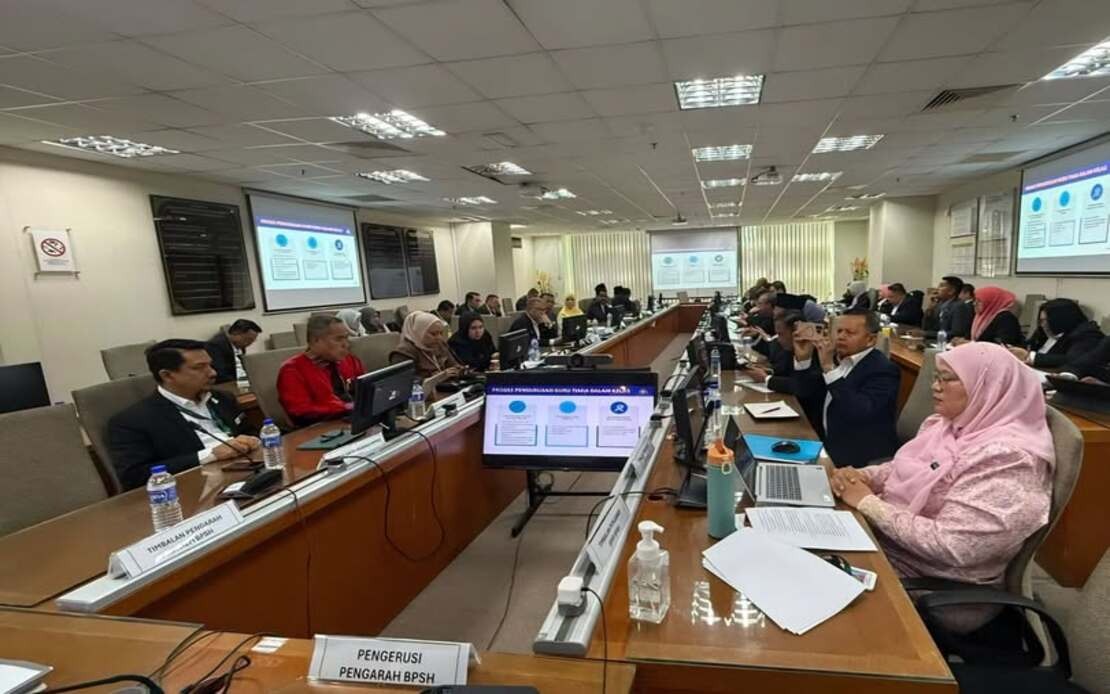
Fadhlina acknowledged the concerns raised by educators, indicating that the ministry recognizes teaching staff harboured legitimate anxieties about their role and exposure under the new regime. To address these concerns, the MOE has initiated a series of engagement sessions and briefings designed to clarify educator responsibilities and resolve ambiguities in the policy's implementation. These sessions have already been conducted with key stakeholders including the National Union of the Teaching Profession, the Human Rights Commission of Malaysia, the United Nations Children's Fund, and various civil society organizations—an indication that the ministry is taking a consultative approach rather than imposing top-down mandates.
The coordination mechanism embedded within the policy represents a significant departure from ad hoc handling of student welfare concerns. Once a report is lodged through the appropriate channels, a coordinated response determines the appropriate action based on the report's nature and severity. This systematic approach aims to prevent children from experiencing repeated trauma through mishandling, fragmented responses, or being forced to recount distressing incidents multiple times across different agencies. For Malaysian schools, where previous cases have highlighted gaps in inter-agency communication, this coordination framework addresses a critical vulnerability.
Fadhlina's assurance regarding legal support and protection for teachers represents a crucial safeguard that may significantly influence educator acceptance of the policy. By committing to provide legal assistance where appropriate, the ministry signals that teachers acting in good faith within the policy framework will not be left vulnerable to litigation or administrative sanctions. This protection is particularly important in Malaysia's litigious environment, where teachers might otherwise hesitate to report concerns for fear of personal liability.
The minister also addressed the inherent limitation of any single policy document—that it cannot anticipate and address every conceivable scenario educators might encounter. Her acknowledgment that ongoing briefings and engagement sessions are necessary until teachers develop genuine confidence in their roles and understand the limits of their responsibilities reflects a realistic assessment of implementation challenges. Policy comprehension requires more than document distribution; it demands repeated exposure, scenario-based training, and opportunities for educators to ask clarifying questions in safe environments.
The emphasis that the policy is not designed to identify culprits or scapegoat teachers directly counters a narrative that appears to have gained traction within the education sector. Concerns that new accountability measures would disproportionately target educators may have been amplified by communication gaps or misinterpretations in initial rollout. By explicitly repudiating the notion that the policy is punitive toward teachers, Fadhlina attempts to reframe the initiative as a collaborative safeguarding mechanism rather than a surveillance or accountability tool.
For Malaysian schools grappling with student welfare challenges, the policy represents an attempt to professionalize and standardize responses that previously varied significantly across institutions. Schools in affluent areas with resourced counselling services operated differently from rural institutions with minimal support infrastructure. The policy's implicit standardization of procedures could improve outcomes for vulnerable students regardless of geographic location or school resources, though implementation disparities will likely emerge unless accompanied by sufficient capacity-building and resource allocation.
The policy arrives amid broader global scrutiny of institutional responses to child safety, with Malaysia's education system facing international attention regarding safeguarding protocols. By implementing a structured framework and emphasizing multi-stakeholder coordination, the government positions itself as responsive to international child protection standards while attempting to maintain professional confidence among educators. The success of this initiative will ultimately depend on whether the promised engagement sessions materialize comprehensively, whether teachers genuinely feel supported rather than exposed, and whether the coordinating agencies—particularly police and welfare departments—have capacity and training to handle the anticipated surge in reports.

