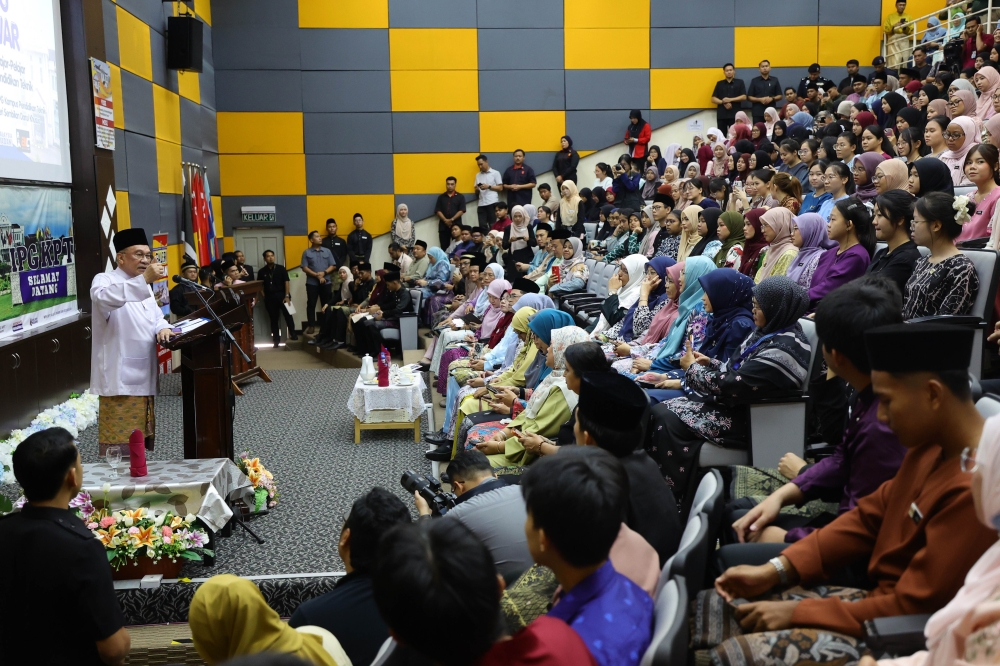
Prime Minister Datuk Seri Anwar Ibrahim has issued a pointed warning to schools across the country that institutional reputation cannot be allowed to eclipse the welfare of bullied students. Speaking in Nilai on July 17, the Prime Minister underscored a troubling pattern in which some schools have allegedly suppressed bullying incidents to preserve their public image, a practice he described as fundamentally incompatible with the duty of care schools owe their pupils.
Anwar's remarks come amid mounting concern about the prevalence of bullying in Malaysian schools and the tendency of some institutions to handle such cases internally rather than reporting them or ensuring proper intervention. The Prime Minister's intervention signals executive-level awareness of systemic failures in how the education system addresses peer abuse, and reflects growing pressure from parents, advocacy groups, and civil society for greater transparency and accountability in schools' handling of such matters.
The tension between institutional preservation and child protection is not unique to Malaysia, but takes on particular significance in the local context where school reputations—often linked to enrolment numbers, government rankings, and parental perception—carry considerable weight. Schools may face pressure to minimise public disclosure of bullying incidents for fear of damaging their standing in competitive education markets, particularly among fee-paying institutions and those with selective admission processes. This incentive structure can create perverse outcomes where bullying thrives in shadows rather than being confronted openly.
Anwar's statement reflects broader policy conversations about reforming how Malaysia's education system treats student welfare. The Ministry of Education and school administrators have increasingly come under scrutiny for inadequate responses to bullying reports, slow investigation processes, and insufficient support for victims. Cases that have gained public attention—whether through social media exposure or news coverage—have revealed instances where bullying escalated because schools failed to intervene effectively or promptly.
The Prime Minister's emphasis on prioritising student safety over school reputation carries practical implications for how complaints are handled. When schools treat bullying cases as reputation management issues rather than safeguarding matters, victims may be discouraged from reporting incidents, perpetrators face minimal consequences, and patterns of abuse can persist unchecked. Conversely, transparent handling that treats each case seriously establishes a culture where students feel safe reporting problems and schools develop systemic improvements based on identified patterns.
For Malaysian parents and guardians, Anwar's statement provides political validation for their concerns and establishes a clear directive that schools should not expect compliance, co-operation, or silence in exchange for promises to handle matters quietly. This empowerment of parents and students to escalate concerns beyond school management represents a shift toward external accountability mechanisms, potentially including involvement of education ministry officials, police, or child protection agencies when appropriate.
The emphasis on child welfare also connects to Malaysia's international commitments under the Convention on the Rights of the Child and other instruments that enshrine protection from violence and harassment. When schools prioritise reputation over reporting, they potentially breach these obligations and undermine the state's duty to safeguard vulnerable populations. Anwar's intervention aligns the Prime Minister's office with these standards and suggests the government may pursue more stringent accountability frameworks for schools that suppress bullying incidents.
Educationalists and child protection experts generally support transparency in handling bullying, noting that concealment compounds trauma for victims and often enables perpetrators to continue their behaviour with impunity. Schools that openly address bullying—including communicating with parents, involving appropriate authorities, and implementing corrective measures—typically experience improved school culture and reduced incident rates long-term. The short-term reputational cost of acknowledging problems is typically outweighed by the benefits of addressing root causes and demonstrating institutional integrity.
Anwar's comments also implicitly critique the competitive school environment in Malaysia, where some institutions' premium positioning depends partly on projecting images of orderly, problem-free environments. By challenging schools to accept that bullying exists and requires transparent handling, the Prime Minister is encouraging a more realistic and ultimately healthier approach to education. Schools that acknowledge the reality of peer conflict and demonstrate competent, compassionate responses to it build deeper trust with parents and communities than those that maintain facades of perfection.
Moving forward, the practical question becomes how schools will operationalise Anwar's directive and what mechanisms the Ministry of Education will establish to ensure compliance. Clear reporting protocols, mandatory training for staff in recognising and responding to bullying, and consequences for schools that suppress incidents could translate the Prime Minister's statement into systemic change. Additionally, creating safe channels for students and parents to report bullying without fear of retaliation or institutional pressure will be essential.
The broader significance of Anwar's intervention lies in signalling that child safety is now a matter of executive-level political attention in Malaysia. This public commitment from the Prime Minister's office should embolden education officials, principals, and teachers to prioritise student welfare over institutional image, and it provides parents with a clear reference point when advocating for transparent, protective responses to bullying. Whether this political will translates into substantive policy reform and cultural change in schools remains to be seen.

