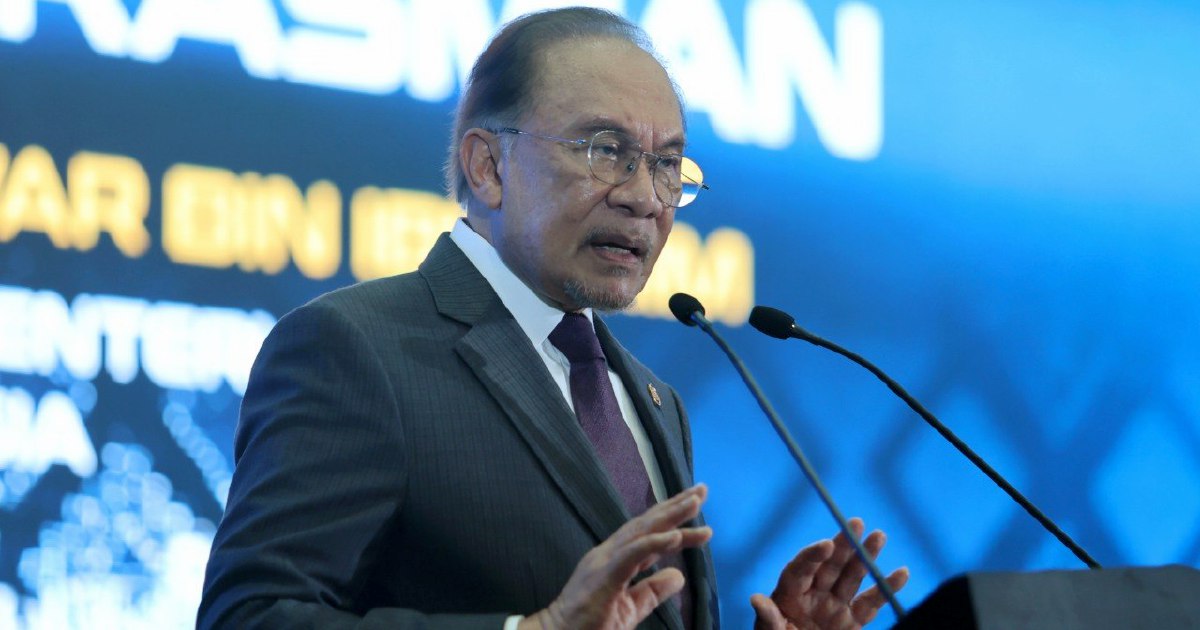
Prime Minister Datuk Seri Anwar Ibrahim has issued a stern directive to Malaysia's educational institutions, warning against the practice of suppressing bullying cases in a bid to shield their institutional image. Speaking at an event in Nilai, the Prime Minister underscored that schools must prioritise the safety and wellbeing of bullying victims above considerations of institutional reputation, and that swift, decisive action rather than concealment is the appropriate response to such serious matters.
The warning reflects growing concern among policymakers about the extent to which schools may be downplaying or covering up incidents of student-to-student harassment. By prioritising their public standing over victim protection, institutions inadvertently enable persistent abuse and fail in their fundamental duty of care. Anwar's remarks suggest that the government views this tendency as a systemic problem requiring immediate cultural and procedural change across the school system.
Bullying in Malaysian schools has long been a complex social challenge, ranging from physical confrontations and verbal abuse to cyberbullying through social media platforms. The issue becomes more acute when institutional responses focus on minimising external damage rather than addressing root causes or supporting affected students. Parents, educators, and child welfare advocates have repeatedly raised concerns that some schools treat incidents as public relations crises rather than opportunities to intervene constructively and protect vulnerable young people.
The Prime Minister's intervention signals that the federal government intends to enforce greater accountability among school administrators and management teams. Institutions that attempt to bury complaints may face consequences, and Anwar's public statement serves as both a reminder and a warning that such practices are incompatible with the government's commitment to child protection and educational excellence. This approach aligns with international best practices, where transparent reporting is viewed as essential to creating safer school environments.
For Malaysian parents and students, this pronouncement offers some reassurance that leadership recognises the severity of bullying and its impact on academic performance, mental health, and social development. Young people who experience sustained harassment often suffer lasting psychological effects, including anxiety, depression, and withdrawal from school activities. When schools attempt to suppress these incidents, they effectively allow harm to continue unchecked, potentially exposing the institution to future legal liability while compounding trauma for victims.
The challenge facing schools now lies in translating the Prime Minister's directive into concrete operational changes. Educational institutions must establish clear, transparent protocols for reporting and investigating bullying claims. This includes training staff to recognise bullying in all its forms, creating safe channels for students to report incidents without fear of retaliation, and ensuring that follow-up actions are swift and proportionate. Schools also need to communicate openly with parents about incidents affecting their children, rather than attempting to resolve matters internally without disclosure.
Investing in preventive measures is equally crucial. Schools that cultivate inclusive, respectful school cultures through character education programmes, peer mentoring schemes, and active engagement of students in setting community standards tend to experience fewer bullying incidents overall. When combined with transparent incident reporting and fair, swift consequences for perpetrators, such comprehensive approaches create environments where bullying is less likely to take root and where victims feel supported rather than isolated.
The economic and social costs of bullying extend beyond individual victims. Schools that allow harassment to fester often experience higher dropout rates, lower academic achievement, and increased demands on counselling and pastoral care resources. Parents may withdraw their children to seek safer alternatives, damaging enrolment and institutional finances. Employers and universities also increasingly inquire about school safety records when evaluating educational quality, making reputation management through transparency actually more beneficial than concealment in the long term.
Anwar's statement arrives at a moment when digital communication platforms have amplified bullying beyond school gates and school hours. Cyberbullying can follow victims home, spreading through messaging apps, social media, and online forums, making traditional institutional boundaries obsolete. Schools therefore cannot realistically manage this issue alone—they must coordinate with parents, technology platforms, law enforcement where appropriate, and mental health professionals to provide holistic support to affected students and their families.
Moving forward, the government may consider implementing structured reporting requirements, whereby schools must formally document and report bullying incidents to education authorities above a certain severity threshold. Such systems create accountability, ensure consistency across districts, and allow for systemic analysis of bullying patterns. They also deter schools from treating serious incidents informally or privately, knowing that transparent reporting will be expected and audited.
The cultural shift demanded by the Prime Minister's intervention is significant. School leaders must recognise that institutional reputation is ultimately built on genuine commitment to student safety, educational quality, and ethical conduct—not on the absence of reported problems. Parents choosing schools for their children increasingly value institutions that demonstrate transparency about challenges and proactive commitment to solutions. Schools that hide problems risk far greater reputational damage when incidents inevitably become public, whereas those that address bullying openly and decisively often earn parental trust and respect.
As schools across Malaysia absorb this message, the practical implementation of Anwar's directive will determine whether the warning translates into meaningful protection for bullied students. Staff training, resource allocation, and senior leadership commitment will all be essential. The coming months will reveal whether Malaysian schools are prepared to embrace the transparency and accountability their students deserve.

