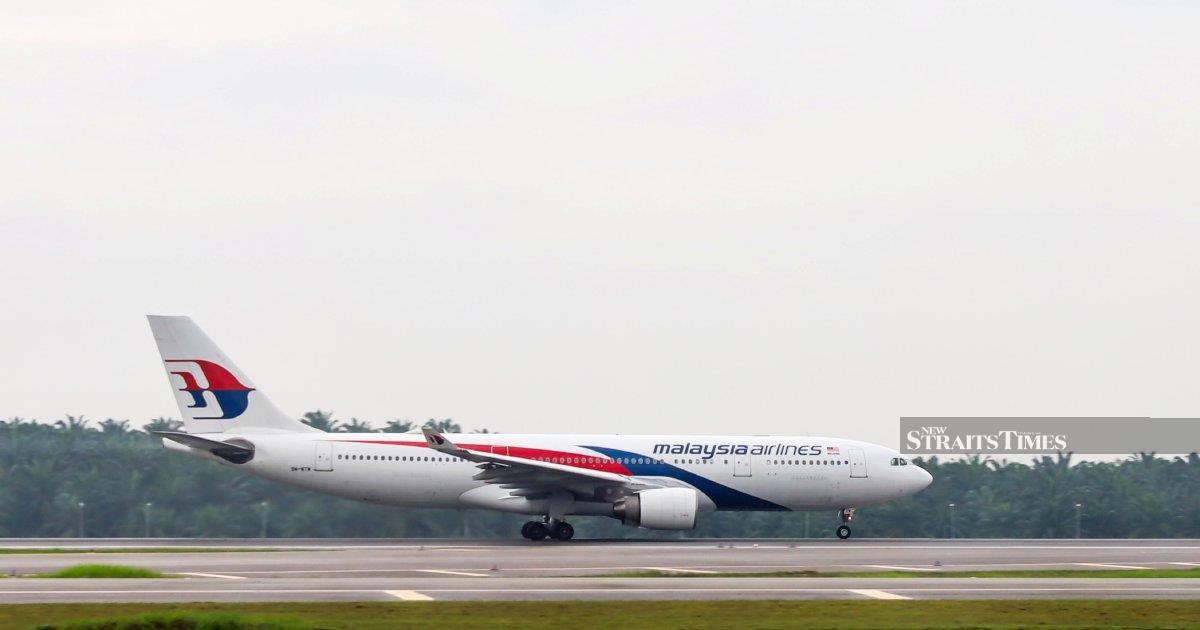
The detention of a Malaysia Airlines pilot in Indonesia on suspicion of attempted drug smuggling has prompted urgent warnings from aviation specialists about systemic vulnerabilities affecting both security operations and safety protocols at Kuala Lumpur International Airport. The incident, which unfolded across the border, serves as a stark reminder of how lapses in screening and oversight procedures at a major regional hub can extend far beyond its gates and create international complications for Malaysia's aviation reputation.
Industry observers point to the case as evidence that existing security frameworks at KLIA may be insufficient to detect suspicious activity among flight personnel before they board aircraft or leave the country. The presence of contraband involvement by someone holding a responsible position in commercial aviation raises fundamental questions about the depth and effectiveness of background checks, ongoing monitoring systems, and coordination between airport authorities and law enforcement agencies. For passengers and the flying public across Southeast Asia, such incidents undermine confidence in the protective measures that aviation regulators claim to maintain.
An aviation safety analyst emphasised that the incident reveals troubling gaps in how thoroughly personnel working within the aviation sector are scrutinised. Regular security sweeps and audits that should catch irregularities in the conduct and activities of airline staff appear to have missed warning signs. The fact that someone in a position of trust and access was allegedly attempting to move contraband suggests that vetting procedures may be outdated, insufficient in scope, or compromised by inadequate enforcement. This represents a significant departure from international best practices, which mandate comprehensive background verification and periodic security clearances for all personnel with airside access.
Beyond personnel screening, the case highlights potential gaps in physical security infrastructure at KLIA. Effective airport security depends on layered systems encompassing surveillance, access controls, baggage screening, and random inspections. Whether weaknesses existed in monitoring staff movements, verifying cargo legitimately destined for aircraft, or detecting prohibited items passing through restricted areas remains an open question. The incident suggests that at least one individual managed to navigate these defences without triggering sufficient alarm for authorities to intervene before the attempt reached the point of international incident.
The implications for Malaysia's standing in global aviation governance are substantial. International aviation bodies and major airlines conduct periodic assessments of airport security standards, using these evaluations to inform route assignments, service levels, and passenger confidence. A high-profile case involving a uniformed employee attempting illegal activity can taint a facility's reputation for years. Neighbouring countries and major aviation hubs may impose additional scrutiny on Malaysian carriers or implement enhanced security protocols when interacting with KLIA staff and operations.
Coordination between Malaysia's civil aviation authority, airport management, law enforcement, and customs agencies requires immediate re-examination. International airports in the region benefit from integrated systems where intelligence sharing and joint operations catch potential violations before they escalate. The fact that the arrest occurred in Indonesia rather than at departure highlights a failure of preventive mechanisms. Stronger inter-agency protocols, regular intelligence exchanges, and joint training exercises could significantly reduce the likelihood of similar incidents occurring in future.
For Malaysia Airlines specifically, the incident carries operational and reputational weight. The airline must demonstrate robust internal vetting, training, and oversight programmes that exceed regulatory minimums. Passenger confidence depends partly on perception that crew members are thoroughly vetted and closely monitored. The airline's response to this crisis will set a tone for industry-wide accountability; failure to implement comprehensive corrective measures could invite regulatory intervention and passenger reluctance.
Regional context matters here as well. Southeast Asian airports collectively process hundreds of millions of passengers annually and serve as critical nodes in global supply chains. Strengthening security at KLIA benefits the entire region by reducing opportunities for illicit smuggling networks to exploit aviation infrastructure. The incident provides momentum for coordinated security upgrades across ASEAN airports, potentially leading to adoption of common standards and joint enforcement initiatives that would benefit all member states.
Expert consensus suggests that KLIA management should commission an independent external audit of all security protocols, personnel clearance procedures, and interagency coordination mechanisms. Such an audit should include review of surveillance footage, access logs, and incident reports to identify specific process failures. Results should inform revised standard operating procedures, retraining initiatives, and potentially technological upgrades to detection systems. Transparent publication of corrective measures would reassure the public and regulatory bodies that systemic weaknesses are being addressed with appropriate seriousness.
The pilot's arrest, while troubling, need not permanently damage Malaysia's aviation reputation if authorities respond decisively. The region's most successful airports have recovered from security incidents by implementing transparent reforms and demonstrating sustained commitment to improvement. KLIA management and national aviation authorities face a critical window to act decisively, signalling to international partners that vulnerabilities are being systematically closed and that Malaysia takes its responsibilities as custodian of major regional aviation infrastructure with utmost seriousness.

