The Selangor government is pushing ahead with the formal recognition of indigenous settlements across the state, with more than half of the 74 officially listed Orang Asli villages now in the gazetting process. V. Papparaidu, chairman of the Selangor human resources and poverty eradication committee, announced this milestone during a visit to Hulu Selangor on 15 August, signalling renewed momentum in a long-standing initiative to secure land rights and administrative status for vulnerable indigenous communities.
The gazetting process, which grants official legal recognition and territorial definition to these settlements, represents a crucial step toward protecting Orang Asli lands from encroachment and securing government services. Papparaidu expressed optimism that the state would see tangible progress by the end of this year, though the timeline reflects the complexity of formalising land tenure in Malaysia's layered property system. The initiative carries particular significance for Selangor, which despite rapid urbanisation and industrial development, remains home to scattered Orang Asli populations whose historical land claims frequently conflict with modern zoning classifications.
A persistent challenge complicating the gazetting effort stems from overlapping land designations. Some indigenous villages occupy areas classified as Malay reserved land under state legislation, creating legal friction between indigenous tenure rights and the constitutional protections afforded to Malays and Muslims. Rather than viewing this as an insurmountable obstacle, the state government has committed to working collaboratively with district officers to untangle these zoning conflicts. This pragmatic approach suggests recognition that rapid administrative solutions are unlikely, and sustained inter-departmental coordination will be necessary to resolve individual cases through negotiation rather than legal confrontation.
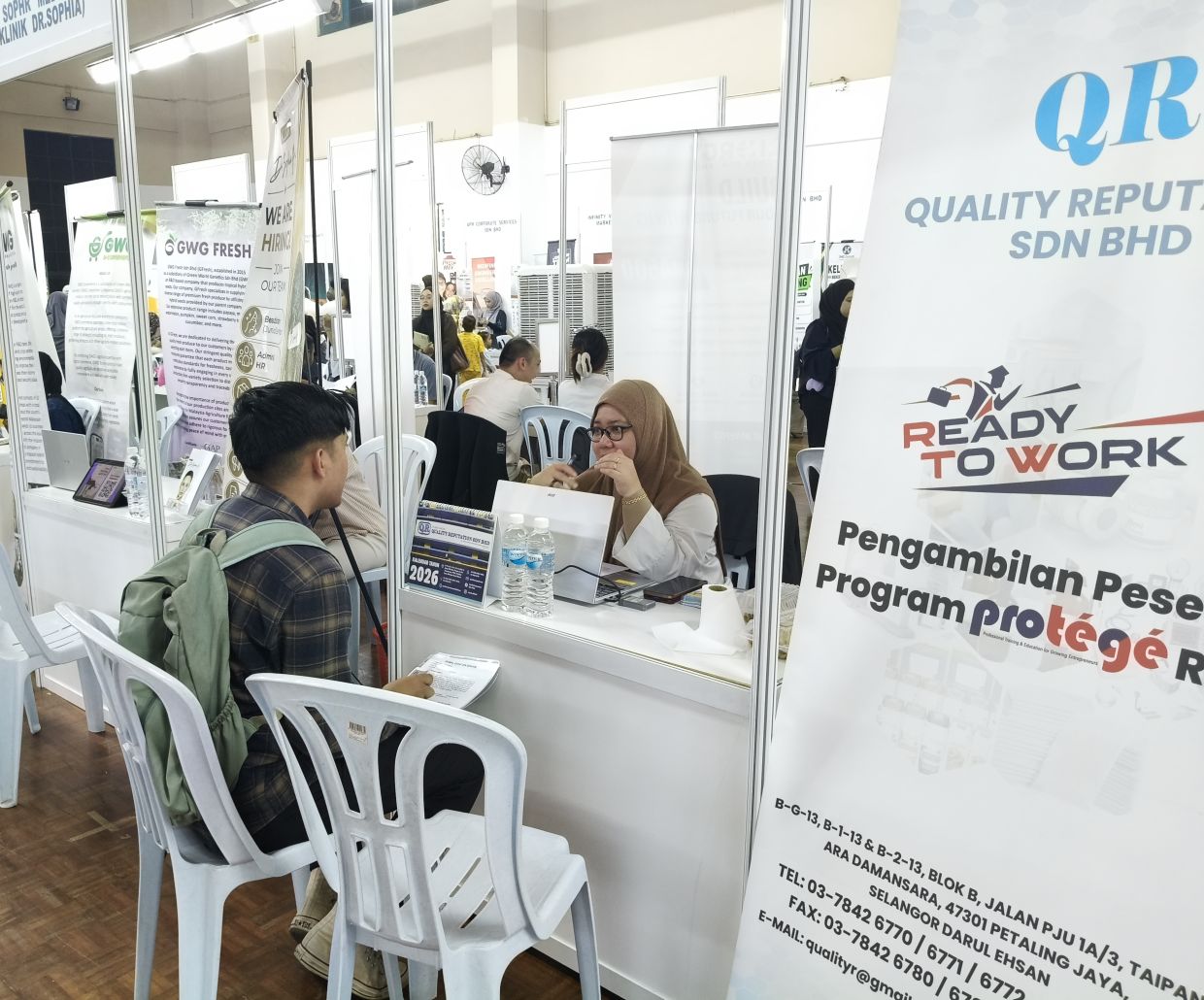
Beyond the gazetting initiative, Papparaidu used the platform of the Jelajah Wanita Berdaya Tahan Selangor 2026 roadshow in Bukit Beruntung to address employment as a pathway out of poverty. The accompanying JobCare Selangor job carnival attracted 38 participating companies offering 5,785 job positions, with 5,005 positions based within Selangor and the remainder distributed across neighbouring Perak and Negri Sembilan. This regional recruitment approach reflects the increasingly integrated labour market across the Klang Valley and surrounding industrial zones, where workers frequently commute across state borders for employment opportunities.
Manufacturing dominated the available positions with 2,560 vacancies, underscoring the sector's continued centrality to Selangor's economy despite structural shifts toward services and technology. The wage data revealed a largely positive employment landscape at the grassroots level, with 63.56% of available positions offering monthly salaries exceeding RM2,500—a figure above the statutory minimum wage and sufficient to provide modest household stability. For those seeking advancement into supervisory and management roles, the carnival showcased positions offering RM8,000 to RM10,000 monthly, representing clear pathways for career progression within participating companies.
The state government's investment in skills development infrastructure underscores a conviction that employment poverty cannot be addressed through job availability alone. The Selangor Technical Skills Development Centre represents institutional commitment to bridging the gap between labour market demand and workforce capability, particularly for youth entering the economy without requisite technical competencies. This preventative approach aims to reduce structural unemployment among young people while building a more adaptable workforce capable of responding to industrial evolution and technological change.
A particularly noteworthy skills initiative involved supporting between 20 and 30 schoolteachers who lacked formal qualifications despite years of classroom experience. These educators, many of whom entered teaching immediately after completing secondary education due to family or economic circumstances, undertook a compressed three-month course culminating in a Malaysian Skills Certificate at Level 4, equivalent to a diploma. This credential provides the formal qualification necessary for salary progression and career stability, demonstrating how targeted upskilling can benefit mid-career professionals whose earlier opportunities were constrained by socioeconomic pressures.
The skills certification programme offers wider implications for Malaysia's educational workforce. Many schools, particularly in rural and disadvantaged areas, employ teachers without formal credentials, creating a structural inequity in career prospects and remuneration. By formalising qualifications for existing educators, Selangor has identified a cost-effective mechanism to elevate teaching standards while rewarding experienced practitioners. The salary improvements resulting from diploma-level certification create incentives for continued professional development across the education sector, potentially raising overall teaching quality without requiring massive new recruitment or infrastructure investment.
The JobCare carnival extended beyond traditional recruitment functions to address specific demographic employment challenges. Talent Corporation Malaysia Berhad's career comeback programme explicitly targeted mothers seeking to re-enter the workforce after career interruptions, recognising that Malaysia's female labour force participation rate remains suboptimal partly due to barriers facing women attempting to rebuild careers following family responsibilities. The Social Security Organisation's resume review service provided immediate practical support, addressing a common impediment to successful job applications among individuals from lower-income backgrounds with limited exposure to professional hiring conventions.
These complementary services reflect sophisticated understanding of employment barriers that extend beyond simple skills deficits. Career interruptions, particularly those driven by caregiving responsibilities, create psychological and practical obstacles to re-entry that purely technical training cannot address. By providing mentorship and application support alongside job opportunities, the state government acknowledges that poverty alleviation requires holistic intervention addressing both capability and confidence.
For Malaysian policymakers observing Selangor's dual approach—combining land rights formalisation for indigenous communities with targeted employment and skills initiatives—the model suggests that poverty reduction operates on multiple fronts simultaneously. Indigenous land security without employment opportunities creates formal recognition without material improvement. Conversely, employment initiatives divorced from land tenure security leave vulnerable populations perpetually marginalised. The Selangor initiative's integrated perspective, treating gazetting, skills development, and job access as complementary components of a coherence poverty-reduction strategy, offers replicable insights for other states grappling with similar challenges of inclusive development.

