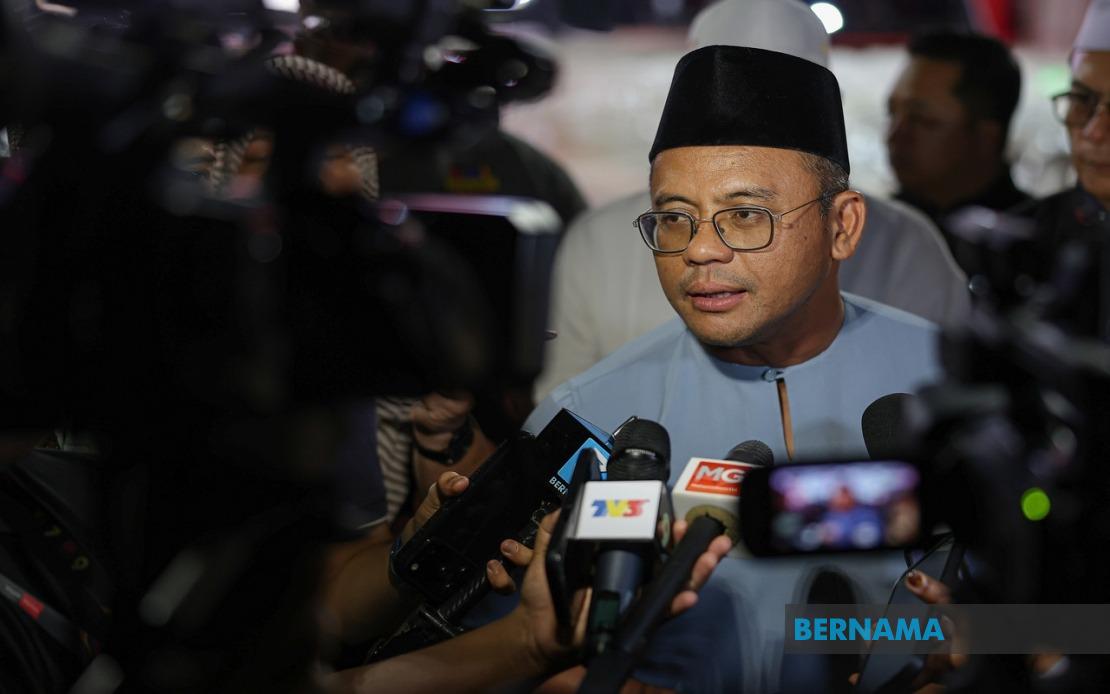
The Speaker of the Selangor State Assembly is poised to deliver a significant announcement on Monday regarding the eligibility status of a state representative, according to Menteri Besar Datuk Seri Amirudin Shari. The declaration is expected during the assembly sitting scheduled for August 3, concluding what appears to be an intensive review process into allegations that have cast a shadow over the chamber's composition in recent days.
Amirudin confirmed that his administration has taken the matter seriously, initiating consultations with the State Legal Adviser to examine the substance of the allegations before proceeding with any definitive action. This methodical approach underscores the gravity of the situation, as questions surrounding an assemblyman's eligibility carry profound implications for both the individual legislator and the broader political landscape of the state. The measured response reflects the need for institutional rigour when potential constitutional breaches are involved.
The allegations in question have triggered speculation about the possibility of a by-election in Selangor, a prospect that would mark a significant political development in one of Malaysia's most closely watched states. Should the assembly speaker determine that the assemblyman no longer meets the legal requirements to hold office, the seat would be declared vacant, automatically triggering electoral procedures to fill the vacancy. This outcome would inject fresh political uncertainty into a state assembly that has experienced considerable shifts in composition over recent years.
For Malaysian observers, the Selangor situation represents more than a procedural matter confined to one state. Selangor's 88-seat assembly remains one of the nation's most influential legislative bodies, and any change in its composition carries ripple effects across the political establishment. The state's economic significance and its role as a bellwether for national electoral trends mean that internal political adjustments here tend to receive heightened scrutiny from federal-level political actors and analysts tracking regional dynamics.
The involvement of the State Legal Adviser in this matter demonstrates the institutional complexity surrounding questions of assemblyman eligibility. Malaysian electoral and constitutional law contains numerous provisions governing who may stand for and hold elected office, encompassing citizenship, residency, financial soundness, and other criteria. Determining whether an assemblyman has breached any of these conditions requires careful legal examination, which explains the deliberate pace of the review process.
Amirudin's public confirmation of the timeline suggests a commitment to transparency in handling what could otherwise become a source of speculation and rumour. By announcing that a decision will come on a specific date, the Menteri Besar has established clear expectations and reduced the space for unfounded claims about the administration's intentions or the likely outcome. This approach respects public interest in knowing how elected representatives' qualifications are being verified and maintained.
The prospect of a Selangor by-election carries considerable electoral significance given the state's political complexion. Recent years have witnessed noteworthy fluctuations in Selangor's representation, reflecting broader shifts in voter preferences and political alignments across the Klang Valley and surrounding regions. Any vacated seat would become a focal point for rival political coalitions seeking to test electoral sentiment and gain advantage in a state where narrow margins often determine control of key positions.
From a constitutional standpoint, the review process highlights the ongoing relevance of eligibility verification mechanisms within Malaysia's political system. While such challenges emerge sporadically, they serve as reminders that the integrity of elected assemblies depends partly on ensuring that representatives meet fundamental legal and practical requirements for holding office. The Selangor situation, whatever its specific origins, reaffirms that these safeguards remain actively employed.
The delay until August 3 also allows space for any affected parties to be properly informed and to prepare responses should they have grounds to contest the preliminary findings. This procedural fairness is essential when potential political consequences of such magnitude are in play. The assembly sitting will provide an appropriate formal venue for the speaker to articulate the legal basis for any decision, creating an official record of the matter.
Looking ahead, the speaker's announcement on Monday will likely clarify not only the immediate question of the assemblyman's status but also provide voters and political observers with better understanding of how Selangor's legislature functions when constitutional principles are tested. Whether the outcome is a confirmation of ongoing service or a declaration of vacancy, the process itself demonstrates institutional mechanisms operating as designed, even when their exercise proves politically consequential.

