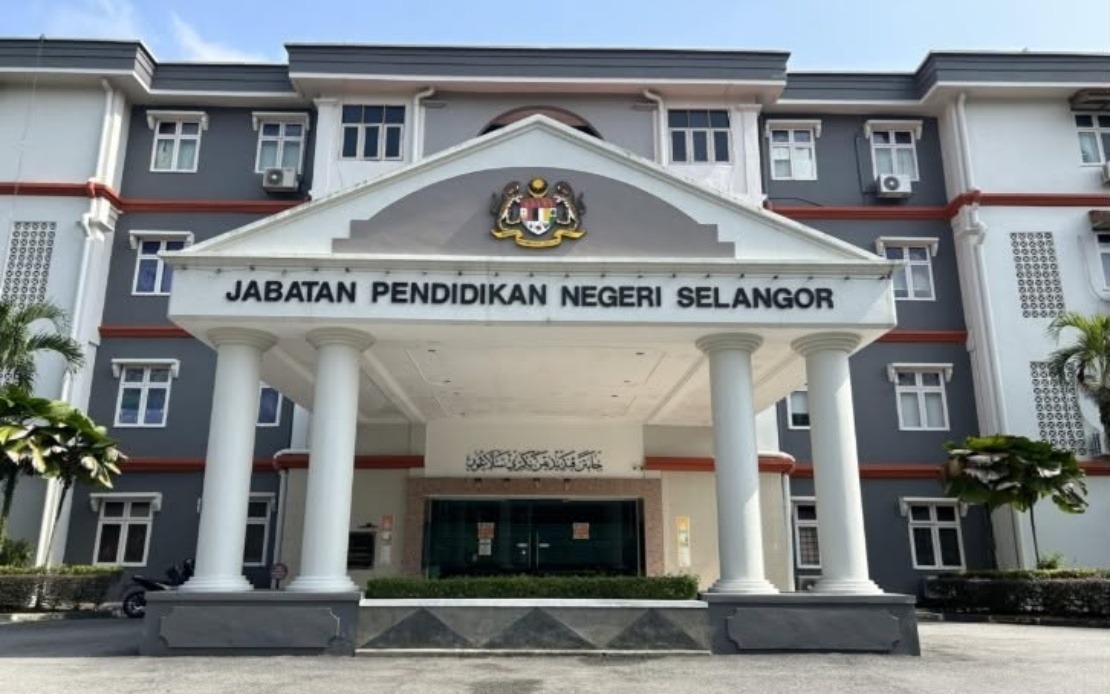
The Selangor State Education Department has moved swiftly to address mounting public concern over an alleged bullying incident involving students at a secondary school in Rawang, declaring its unwavering commitment to support the ongoing police investigation. In a formal statement released from Shah Alam on July 12, the department signalled that it would treat the matter with the utmost seriousness and would not shield any individual implicated in the misconduct. The case has drawn considerable attention after video footage of the alleged incident spread across social media platforms, sparking calls from parents and civil society groups for decisive action.
The viral nature of the incident underscores how quickly school-related controversies can mobilize public opinion in Malaysia's digital age. Social media has become a powerful tool for exposing alleged wrongdoing in educational institutions, often compelling authorities to respond faster than traditional reporting channels might have prompted. This particular case demonstrates the dual-edged reality of transparency: while public scrutiny can accelerate investigations and hold institutions accountable, it also creates pressure that may complicate due process if not carefully managed.
Official statements from the Selangor JPN emphasize that the department views any breach of student safety protocols as fundamentally incompatible with its mandate to foster secure learning environments. The language employed—"will not compromise on any form of misconduct"—signals a deliberate shift towards stricter enforcement of existing student conduct codes. This rhetorical positioning appears designed to reassure both parents and the broader community that educational authorities take their protective responsibilities seriously, particularly when incidents become matters of public knowledge.
The police's involvement in the investigation represents a significant escalation from typical school-based disciplinary procedures. When bullying allegations cross into the jurisdiction of law enforcement, the matter transitions from a purely administrative concern to a potential criminal matter, depending on the nature and severity of the alleged conduct. This dual-track investigation, with both police and education authorities involved, reflects the gravity with which authorities are treating the incident and suggests the alleged bullying may have involved physical harm or other elements that warrant criminal scrutiny.
Selangor's commitment to maintain investigative independence without favouring any party involved sends an important signal about the department's willingness to apply institutional rules consistently, regardless of the status or connections of those allegedly responsible. Such assurances matter deeply in contexts where educational communities sometimes fear that political connections or family influence might shield certain students from consequences. The explicit statement that "no individual involved would be protected" addresses these historical concerns head-on, though enforcement of such principles ultimately depends on institutional integrity throughout the investigative process.
The broader implications for Malaysian schools are significant. Bullying remains a persistent challenge across the nation's secondary education system, with periodic reports documenting its psychological toll on victims and its corrosive effects on classroom dynamics. When high-profile cases emerge and gain viral attention, they tend to catalyze temporary institutional responses and public awareness campaigns. However, sustaining systemic improvements requires consistent implementation of preventive measures, teacher training programmes, and peer support mechanisms that extend beyond crisis management.
Public calls for strict action must be balanced against the legal and developmental considerations relevant to student disciplinary proceedings. Young people involved in bullying incidents, whether as perpetrators or enablers, require age-appropriate interventions that address root causes—whether peer pressure, family dysfunction, learning difficulties, or other psychological factors—rather than purely punitive responses. Malaysia's education authorities increasingly recognize that sustainable solutions involve counselling, restorative justice practices, and community engagement alongside appropriate disciplinary measures.
The Selangor JPN's appeal for public patience with the investigation process reflects awareness that premature judgements or vigilante pressure can undermine fair proceedings. Social media's tendency to simplify complex situations into narratives of heroes and villains can distort the investigative process and compromise the protection of all parties involved, including the accused students who retain rights to due process regardless of the severity of allegations against them. Educational authorities must navigate between institutional accountability and individual fairness.
This incident also highlights the responsibility schools bear in cultivating environments where bullying carries social and institutional consequences. Prevention requires sustained investment in anti-bullying curricula, clear reporting mechanisms that students trust, and active bystander education that empowers peers to intervene against misconduct. Many Malaysian schools have introduced such programmes, but their effectiveness depends on consistent reinforcement and visible institutional commitment to following through on stated principles.
Moving forward, the Rawang case will likely influence how other Selangor schools implement their disciplinary protocols and communicate with communities during crises. Educational leaders across the state will be watching how authorities balance transparency with investigative integrity, and whether the promised "strict action" translates into concrete consequences that deter future incidents. The outcome will inevitably shape public confidence in schools' capacity to protect student welfare in an age where alleged misconduct travels instantly across digital networks, demanding rapid and credible institutional responses.

