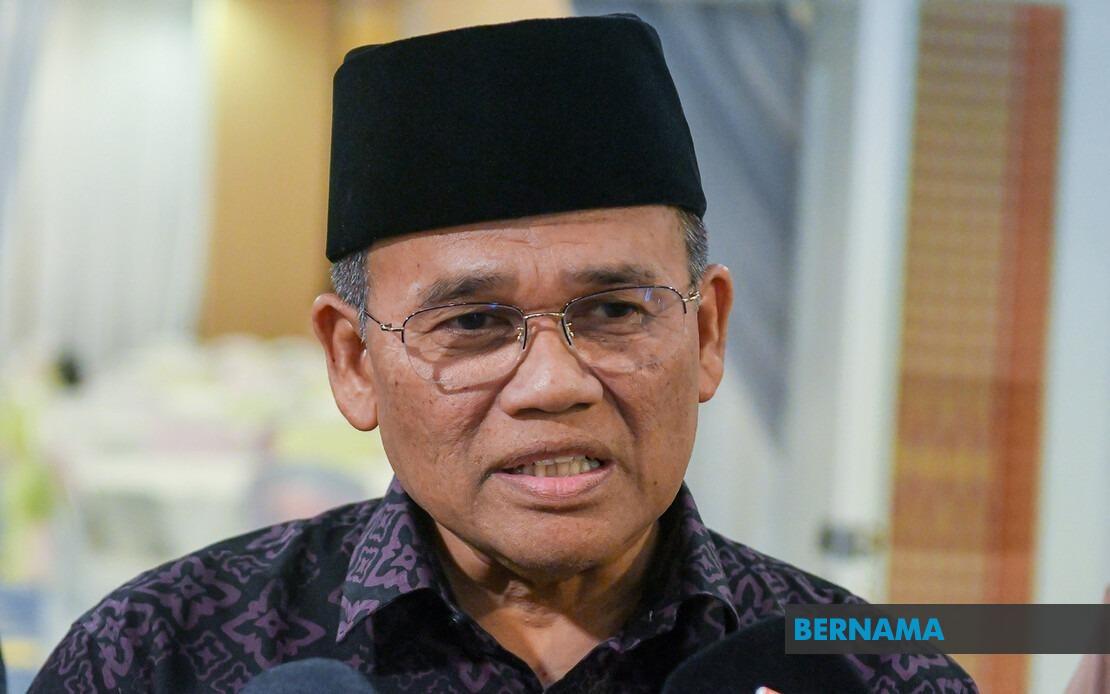
The Selangor Islamic Religious Council (MAIS) has clarified the circumstances surrounding approval for Friday prayer services at the Musala IOI City Mall in Putrajaya, emphasizing that the decision was reached through formal institutional channels in 2024. MAIS chairman Datuk Salehuddin Saidin explained that the Selangor State Mosque and Surau Governance Committee (JATUMS) considered the application with the explicit consent of Sultan Sharafuddin Idris Shah, granting permission effective from September 6, 2024. This approval represents a significant accommodation for the shopping centre's significant Muslim workforce and regular visitors who previously faced substantial barriers to fulfilling one of Islam's five pillars.
The approval was premised on specific operational circumstances identified during assessment. The venue hosts a considerable concentration of male Muslim workers and attracts substantial numbers of Muslim visitors whose religious obligations are difficult to satisfy through existing infrastructure. MAIS leadership recognized that these congregants faced genuine practical obstacles to accessing established houses of worship, creating a legitimate case for temporary accommodation within a commercial property. The decision reflects a pragmatic approach to managing religious observance in increasingly complex urban and commercial environments where traditional mosque infrastructure may lag behind population movements and employment patterns.
The distance separating IOI City Mall from existing mosques underscores the assessment's core justification. Masjid Al-Mustaqim in Kampung Dato' Abu Bakar Baginda lies approximately 7.6 kilometres away, while Masjid UNITEN in Kajang extends roughly 7.7 kilometres distant. These distances, combined with Friday midday prayer timing constraints that limit availability for time-pressed workers, made regular mosque attendance impractical for many. The geographical gap represents more than mere convenience—for individuals working irregular shifts or managing tight schedules, the round-trip journey essentially prevents participation in congregational worship. Salehuddin acknowledged this reality in his statement, noting that accessibility concerns drove the consideration of alternative arrangements.
Beyond distance, the existing mosques' physical constraints presented additional complications. Both Masjid Al-Mustaqim and Masjid UNITEN lack sufficient capacity to accommodate the numbers seeking Friday prayer attendance from IOI City Mall's worker base and visitor population. This capacity shortfall created genuine religious accommodation challenges that conventional solutions could not immediately address. The situation reflects broader pressures on mosque infrastructure in rapidly developing areas, where employment centres and commercial hubs expand faster than supporting religious facilities. Allowing temporary prayer services within the commercial venue served as a bridge solution pending longer-term infrastructure development.
Crucially, MAIS emphasized the temporary nature of this arrangement, signalling that the approval remains contingent on circumstances and subject to revision. The musala's permission to conduct Friday prayers will terminate once a dedicated mosque facility near the premises is completed and operationalized with adequate capacity. This conditionality demonstrates institutional commitment to maintaining Friday prayers within purpose-built mosque environments while acknowledging short-term necessity. The framework prevents indefinite normalization of shopping centre prayer services while providing genuine relief to workers currently facing accessibility barriers. For Malaysian Muslims and civic leaders concerned about maintaining institutional coherence in religious practice, this time-limited approach offers reassurance that the accommodation remains exceptional rather than precedent-setting.
The regulatory clarity provided by MAIS responds to earlier confusion regarding shopping centre prayer facilities in Selangor. On a previous occasion, Salehuddin had stated that Sultan Sharafuddin had not authorized surau or musala establishments within shopping centres to conduct Friday prayers. That blanket position required nuance given the IOI City Mall situation's specific circumstances—significant worker populations with demonstrated accessibility hardship and absence of proximate alternatives. The subsequent clarification distinguishes between general policy application and exceptional cases warranting temporary accommodation, establishing criteria-based rather than categorical decision-making. This distinction matters for other commercial venues potentially seeking similar arrangements, as it suggests MAIS will evaluate applications based on concrete workforce demographics, distance metrics, and capacity assessments rather than applying uniform prohibitions.
The involvement of Selangor's Islamic administrative hierarchy reflects institutional seriousness about religious governance. JATUMS consultation and Sultan Sharafuddin's explicit consent ensure that the decision received appropriate deliberation and royal-level endorsement. Malaysia's Islamic constitutional arrangements grant sultans custodial authority over Islam within their territories, making sultanical approval meaningful beyond ceremonial significance. This multi-layered approval process demonstrates respect for institutional hierarchy while ensuring that accommodations receive scrutiny proportionate to their implications. For observers monitoring religious governance in Selangor, the collaborative framework evidenced here suggests substantive oversight of Friday prayer logistics rather than ad hoc municipal decisions.
The statement also reinforced MAIS and JAIS's commitment to maintaining orderly, legally-compliant religious practice throughout Selangor. Both institutions stressed their intention to ensure that Friday prayer implementation and musala management adhere to Islamic jurisprudence and Malaysian legal requirements. This framing positions the IOI City Mall accommodation within broader institutional objectives rather than presenting it as an isolated concession. The emphasis on governance standards and legal compliance addresses potential concerns that commercial convenience might erode religious rigor. It signals that temporary facility permissions do not compromise substantive adherence to Islamic principles governing congregational worship.
From a practical perspective, the arrangement reflects evolving urban realities that traditional religious infrastructure planning has not fully anticipated. Malaysia's rapid commercial and employment sector growth, particularly in Selangor and the Klang Valley, has concentrated substantial Muslim workforces in shopping centres, office complexes, and commercial hubs. Existing mosque networks, developed earlier and often in residential rather than commercial areas, cannot instantly adapt to these demographic shifts. The IOI City Mall situation exemplifies a broader challenge Southeast Asian Islamic administrators face as rapid urbanization and economic transformation outpace religious facility planning. Allowing temporary prayer services in commercial venues acknowledges this reality while maintaining that permanent solutions must involve proper mosque development.
The decision carries implications for similar requests from other shopping centres and commercial properties in Selangor and beyond. By approving this application while emphasizing its temporary nature and specific justifying circumstances, MAIS has effectively established criteria that other venues might reference. Shopping centre managements facing employee religious accommodation requests now possess a precedent demonstrating that applications receiving substantive justification—documented worker populations, distance measurements, capacity assessments—may receive sympathetic consideration. Conversely, applications lacking rigorous supporting evidence may face higher rejection thresholds. This precedent-setting function shapes how Islamic governance bodies throughout Malaysia might evaluate comparable requests.
Looking forward, the arrangement's termination contingency creates incentives for mosque development near IOI City Mall. MAIS implicitly encourages religious organizations and potentially government development bodies to prioritize mosque construction in the vicinity, understanding that doing so will enable transition away from commercial venue arrangements. This mechanism uses the temporary approval as a motivational tool for permanent infrastructure investment. For Malaysian urban planners and Islamic administrators, the approach demonstrates how institutional decision-making can balance immediate religious needs with long-term infrastructure planning. Rather than indefinitely accommodating commercial prayer facilities, the time limitation and termination trigger create forward momentum toward proper religious facilities.
The broader significance of this clarification extends to how Malaysian Islamic institutions navigate tensions between religious principle and practical accommodation. Friday prayer represents a core Islamic obligation with specific religious and communal dimensions that institutional leaders take seriously. Yet administrators must also address contemporary realities where employment patterns and urban development create genuine obstacles to practice. The IOI City Mall approval, structured as temporary and exceptional, demonstrates institutional sophistication in recognizing both concerns. For Malaysian Muslims and observers of Islamic governance across Southeast Asia, this decision illustrates how religious authorities can provide practical accommodation while maintaining institutional integrity and long-term institutional vision. The approach avoids both rigid inflexibility that ignores genuine need and unbounded pragmatism that erodes religious structures, instead charting a measured course responsive to circumstances while remaining anchored to institutional principles.

