Selangor faces mounting financial losses as vandalism and theft plague its network of pump houses, undermining the state's critical flood management infrastructure. The Selangor Infrastructure and Agriculture Committee has confirmed that damages and stolen equipment at these facilities have cost the state government up to RM400,000 in repair and replacement expenses. The problem extends beyond mere financial impact, as the theft and vandalism directly compromise the operational capacity of drainage and irrigation systems essential for protecting thousands of residents from seasonal flooding.
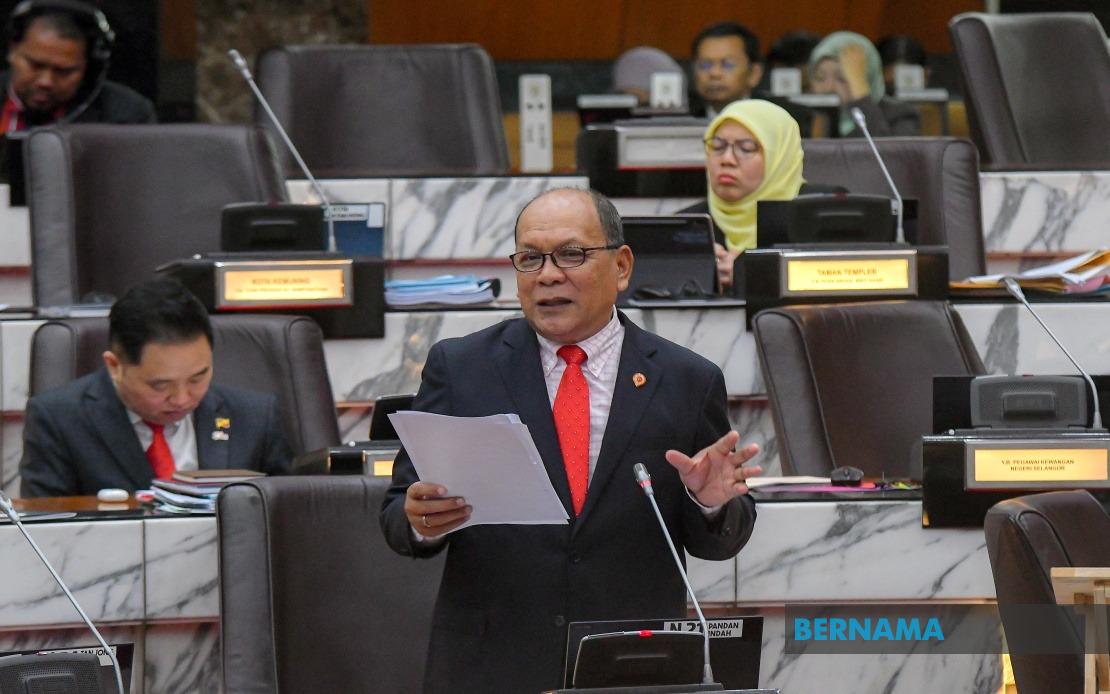
Datuk Izham Hashim, who chairs the Infrastructure and Agriculture Committee, disclosed the extent of the security challenge during a State Legislative Assembly sitting in Shah Alam. He revealed that the state administration has already initiated discussions with Selangor's police leadership to explore ways to strengthen law enforcement and security protocols at the vulnerable pump house locations. These early engagements suggest growing recognition at the highest levels of state government that the problem requires a coordinated, multi-agency response rather than isolated efforts by individual departments.
The committee chairman announced a series of immediate corrective actions designed to deter criminal activity and improve facility protection. He confirmed that instructions have been issued to the Drainage and Irrigation Department and the Public Works Department to implement comprehensive security enhancements across all affected pump house installations. The measures centre on the installation of closed-circuit television systems at strategic locations, enabling real-time monitoring and creating a permanent record of activities at these sites. Such surveillance infrastructure serves a dual purpose: it acts as a deterrent to potential offenders while providing evidence should crimes occur.
Beyond technology-based solutions, the state government is pursuing a partnership approach with law enforcement and private security providers. Izham emphasised that the administration has formally requested assistance from both the police force and commercial security agencies to establish a more robust protective framework around pump house facilities. This collaborative strategy reflects an understanding that pump house security cannot be treated as the sole responsibility of the Public Works or Drainage and Irrigation departments, but rather requires the specialised expertise of law enforcement and security professionals.
The question that prompted these revelations came from Jefri Mejan, the Assemblyman for Ijok representing Perikatan Nasional, who specifically asked about the state government's enforcement cooperation with police. Jefri's inquiry highlighted public concern about the correlation between infrastructure damage, equipment theft, and prolonged flooding incidents that affect communities. His framing suggests that constituents have drawn a direct line between security failures at pump houses and their vulnerability to water-related disasters, placing pressure on state administrators to demonstrate tangible results.
The vulnerability of pump houses to criminal activity underscores a broader infrastructure security challenge across Malaysia. These facilities represent critical nodes in the nation's urban drainage network, particularly essential in flood-prone states like Selangor, which experiences intense monsoon rains and faces increasing urban flooding risks due to rapid development and land use changes. When pump houses are compromised through vandalism or the theft of motors and pumps, entire drainage zones can become inoperative, turning localised weather events into serious flooding catastrophes.
The RM400,000 cost figure represents only documented repairs and replacements, and likely understates the true economic impact when indirect costs are considered. Flood-related business closures, property damage to homes and commercial premises, vehicle damage, and emergency response expenditures dwarf the direct maintenance costs. For residents in affected areas, non-functional drainage systems translate into household flooding, disrupted livelihoods, and compromised public health conditions during monsoon seasons.
The timing of this public disclosure is significant, coming during the pre-monsoon period when flood preparedness becomes a high political priority. By openly acknowledging the security problem and announcing corrective measures, the Selangor administration appears intent on demonstrating responsiveness to constituent concerns before the next season of heavy rainfall. The emphasis on CCTV installation and police cooperation suggests a recognition that technological and enforcement solutions must complement traditional maintenance approaches.
The involvement of the Perikatan Nasional opposition in highlighting this issue reflects the political salience of infrastructure security and flood prevention across party lines. Jefri Mejan's question indicates that constituents of all political affiliations expect their representatives to hold government accountable for maintaining functional drainage systems. This cross-party focus on pump house security suggests the problem has reached a scale where it transcends routine maintenance concerns and becomes a fundamental governance issue.
For Malaysian readers, this situation illustrates the everyday challenges that confront state administrations in maintaining complex urban infrastructure networks. Pump houses represent unglamorous but absolutely essential components of city life, protecting millions from flooding yet remaining largely invisible and unmaintained until problems cascade into public emergencies. The Selangor experience suggests that theft and vandalism of such facilities may be endemic across Malaysia's urban centres, raising questions about whether other states have conducted similar assessments or implemented comparable security measures.
The enforcement challenge also reflects broader patterns of organised theft targeting metal components and motorised equipment from public facilities. Copper wiring, brass fittings, and pump motors possess scrap metal value, creating financial incentives for organised theft rings that target unguarded infrastructure. Unless Selangor's security enhancements address not only opportunistic vandalism but also coordinated theft operations, recurring losses seem probable.
Moving forward, the success of Selangor's security initiative will depend on consistent implementation across all pump house locations and sustained police presence in the areas surrounding these facilities. The installation of CCTV systems only yields benefits if footage is monitored actively and shared effectively with law enforcement. Similarly, security agency patrols require sufficient frequency and unpredictability to deter determined thieves. Without adequate resourcing and genuine inter-departmental coordination, the announced measures risk becoming symbolic gestures rather than transformative security improvements.
The pump house vandalism problem ultimately reflects the tension between maintaining essential public infrastructure and preventing losses to criminal activity. As Selangor implements its enhanced security framework, other flood-prone Malaysian states would be wise to conduct their own facility audits and assess vulnerability to similar threats. Flood management systems weakened by infrastructure theft and vandalism serve neither public safety nor economic development, making comprehensive security protocols not a luxury but a fundamental requirement for responsible state administration.

