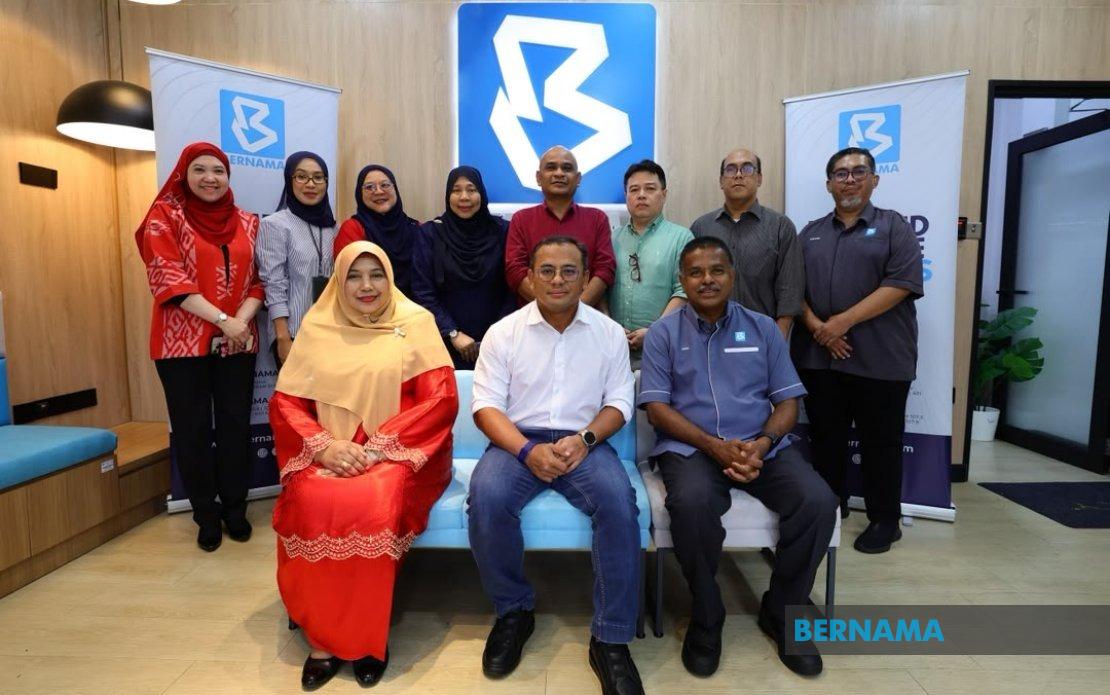
Selangor Menteri Besar Datuk Seri Amirudin Shari made an unscheduled visit to the Malaysian National News Agency's operations centre in Negeri Sembilan on July 20, arriving to inspect the nerve centre coordinating comprehensive coverage of the 16th state election. The visit underscores the heightened political activity surrounding the electoral exercise, which was then entering its third day of campaigning with polling scheduled for August 1.
Amirudin, who holds the dual role of Selangor's chief minister and election director for the ruling Pakatan Harapan coalition, arrived at the Bernama Negeri Sembilan bureau at 2 pm. He was received by the agency's senior leadership, including chief executive officer Datin Paduka Nur-ul Afida Kamaludin and editor-in-chief Arul Rajoo Durar Raj, alongside deputy editor-in-chief of News Services Mohd Shukri Ishak and Negeri Sembilan bureau chief Nursyabiha Sukri.
The visit represented an opportunity for PH's top election strategist to assess how Malaysia's national news agency was managing its real-time reporting obligations during one of the country's significant electoral contests. Such oversight visits by political leaders to media operations rooms are relatively uncommon and signal the importance both government and opposition parties attach to information management and narrative control during campaign periods.
During the engagement at the bureau, Amirudin received a detailed briefing from Mohd Hisham Abdul Rafar, the coordinating editor overseeing election coverage. The briefing focused on Bernama's operational procedures, resource allocation, and newsgathering strategies as the agency worked to provide comprehensive, real-time reporting across Negeri Sembilan's constituencies. This behind-the-scenes access offered insight into how Malaysia's principal news agency manages the logistical and editorial challenges inherent in covering multi-constituency elections simultaneously.
The logistics of the Negeri Sembilan election itself reflect the Electoral Commission's carefully structured timeline. Early voting was scheduled for July 28, providing workers, the elderly, and disabled voters an opportunity to cast ballots before the main polling date of August 1. This two-stage voting process requires news organisations to develop coverage strategies that account for preliminary results, analysis of early voting patterns, and sustained reporting momentum leading to the main election day.
Beyond the operations centre visit, Amirudin's agenda included participation in a recorded interview with Bernama TV focused on election developments and PH's campaign strategy. Such televised sessions, particularly with the national news agency, serve as crucial platforms for opposition or government leaders to communicate their messaging directly to Malaysian audiences during electoral periods, ensuring their perspectives receive prominent coverage in the immediate pre-polling-day window.
The timing of this visit carries significance within Malaysia's broader political context. Negeri Sembilan, while not among the country's most populous states, holds symbolic importance as a traditionally competitive electoral battleground where coalition shifts have occurred in recent decades. The state's election dynamics often influence national political narratives, making comprehensive media coverage essential for all major political players seeking to shape public perception.
Bernama's role as a state-linked but editorially independent news agency places it in a unique position during election cycles. The agency must balance its obligation to provide comprehensive, fair coverage of all political contenders while managing the expectations and scrutiny of government-aligned leadership. Such visits from senior political figures like Amirudin inevitably raise questions about editorial independence, though Bernama's professional standards generally insulate it from direct interference.
For Malaysian readers and regional observers, this visit illustrates how election campaigns have evolved into sophisticated media operations managed in real-time through dedicated command centres. The integration of traditional broadcast journalism with digital platforms means news organisations must coordinate across multiple channels simultaneously, requiring the kind of operational oversight that Amirudin witnessed firsthand during his tour.
The broader implications for Malaysia's electoral information ecosystem are noteworthy. As political competition intensifies and campaigns become increasingly data-driven and media-saturated, the role of established news agencies like Bernama becomes simultaneously more important and more contested. By visiting the operations centre directly, Amirudin demonstrated PH's investment in understanding and potentially influencing how electoral news is gathered, verified, and disseminated to the Malaysian public.
The Negeri Sembilan election represents a significant test for PH following recent electoral setbacks and internal coalition tensions. The state election, following the historic loss of several state governments to Perikatan Nasional, carries implications for PH's broader electoral viability heading into the next general election cycle. Media coverage quality and narrative framing, therefore, take on heightened strategic importance for all political camps seeking to maximise their messaging impact.
As campaigns enter their final week, such operational oversight from election directors becomes routine, though direct visits to news agencies remain relatively high-profile. The visit signals both PH's confidence in engaging with mainstream media channels and its commitment to active election management across all communications fronts. For Bernama and other news organisations, such encounters reinforce the sensitivity of election reporting and the political stakes involved in how Malaysia's voters ultimately receive information before casting their ballots on August 1.

