The Selangor state government is making a final push to ensure eligible military and police veterans do not forfeit a RM200 shopping voucher benefit that lapses at the end of August. Officials have grown concerned about the sluggish response to the Warriors' Day initiative, which has generated less than 6 per cent of anticipated claims since its debut on July 29. With the clock ticking toward the August 31 expiry, state authorities are simplifying the process and widening access to help the intended beneficiaries navigate bureaucratic hurdles that may have hindered earlier uptake.
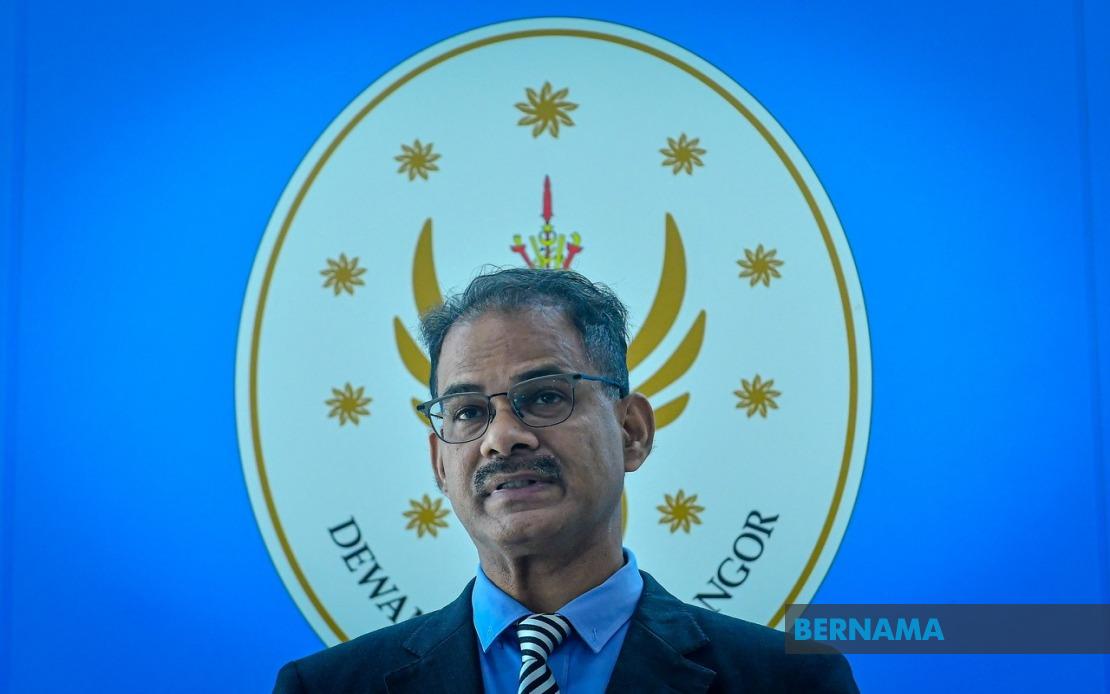
V. Papparaidu, chairman of the Selangor state government's Human Resources and Poverty Eradication Committee, outlined the predicament at a press briefing in Shah Alam. Approximately 500 claims have been lodged by non-pensioned veterans out of 8,391 individuals deemed eligible under the scheme. The modest response has prompted the committee to investigate why so many veterans have not pursued the benefit, leading to discoveries that contact information has become outdated and some recipients have relocated. Rather than penalising veterans for practical life circumstances, Papparaidu announced that the state will now permit family members or appointed representatives to collect vouchers on behalf of the eligible individuals, removing a significant procedural obstacle.
The voucher scheme draws from a total allocation of RM1.7 million channelled through State Legislative Assembly service centres across Selangor. This distribution mechanism ensures that benefit reaches veterans at the grassroots level, embedded within their local constituency infrastructure. By routing payments through service centres rather than centralised offices, the state government aims to make the process more accessible to older or less mobile beneficiaries. The vouchers function as shopping credits at participating supermarkets, permitting the purchase of essential household goods and food items whilst explicitly excluding cigarettes and alcohol.
Access to the voucher programme does not demand formal applications, a departure from many government assistance schemes that typically require recipients to navigate lengthy documentation and verification procedures. Instead, the Selangor government pre-selected veterans based on rosters supplied by the Department of Veterans Affairs (JHEV) and the Royal Malaysia Police (PDRM). These lists underwent scrutiny by the Selangor Economic Planning Unit (UPEN) and confirmation by the respective State Legislative Assembly service centres, meaning that eligible veterans have already been identified without requiring them to initiate claims themselves. This proactive approach theoretically simplifies access, yet the low uptake suggests that communication gaps or awareness deficits persist despite the streamlined mechanism.
Papparaidu's candid acknowledgment that contact information has become unreliable reflects broader demographic and logistical realities. Non-pensioned veterans represent a diverse cohort whose circumstances may have changed significantly since their data was last updated by government agencies. Some may have retired to different states, whilst others may have minimal digital engagement and rely on word-of-mouth notification rather than direct government outreach. The flexibility to allow representatives to claim on their behalf represents a pragmatic concession to these realities, though it also underscores how distance between government systems and actual beneficiary populations can undermine programme effectiveness even when schemes are well-intentioned and fully funded.
The initiative carries symbolic weight beyond its monetary value. Officials have framed the vouchers as recognition of the sacrifices made by armed forces and police personnel who have served without accumulating pension entitlements. Non-pensioned status typically applies to veterans who did not complete sufficient service years or who left the armed forces or police under circumstances that excluded them from standard pension calculations. In Malaysia's context, where military and police service carries significant social respect and the national rhetoric emphasises honouring those who have sacrificed for the country, this state-level gesture attempts to correct an institutional gap by providing modest financial support to a segment often overlooked in national welfare discussions.
Selangor's approach also reflects growing awareness among Malaysian state governments that direct cash assistance or voucher schemes can address poverty and inequality more efficiently than traditional bureaucratic channels. The use of supermarket vouchers rather than direct cash transfers carries additional administrative advantages: it channels spending toward essential items, prevents fungible use, and creates economic stimulus within the retail sector by concentrating demand. For veterans managing fixed incomes, RM200 directed specifically toward groceries and household necessities provides tangible relief from cost-of-living pressures that have intensified across Malaysia in recent years.
The August 31 deadline creates urgency, though state officials appear willing to extend grace periods given the legitimately difficult circumstances affecting portions of the eligible population. Service centre staff have been instructed to assist veterans in verifying eligibility, a practical acknowledgment that many beneficiaries may be elderly or unfamiliar with administrative procedures. This hands-on support approach differs markedly from schemes requiring recipients to navigate websites or submit digital documentation, a barrier that would exclude significant segments of the veteran population lacking technological access or digital literacy.
Looking forward, Selangor's experience with the Warriors' Day voucher programme offers instructive lessons for other Malaysian states contemplating similar veteran support initiatives. The gap between eligible beneficiaries and actual claims—roughly 94 per cent non-participation—suggests that even well-funded and well-designed programmes require sustained, targeted outreach and flexible implementation mechanisms. Future iterations might incorporate multiple channels for claims, enhanced publicity through veteran-specific networks, or extended deadlines that account for the practical challenges facing older, potentially mobile populations. As Southeast Asian nations grapple with ageing veteran populations and constrained pension systems, finding cost-effective methods to extend dignity and material support to former service members remains both a social obligation and a policy frontier.

