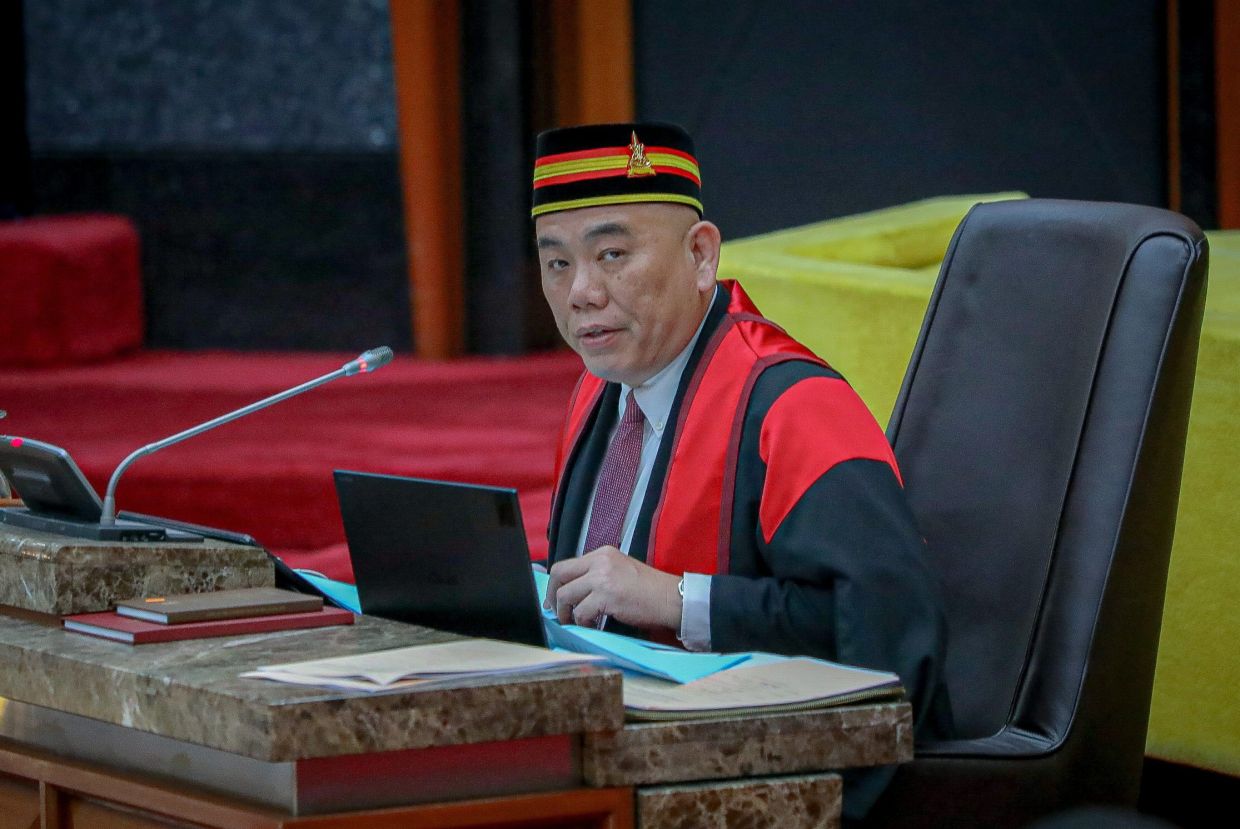
Selangor Speaker Lau Weng San has definitively ended speculation surrounding possible by-elections in the state, announcing that a comprehensive review of all assemblymen has revealed no grounds for any member to lose their seat. The exhaustive examination, completed on August 10, scrutinised representatives from all political parties and evaluated multiple dimensions of their conduct and eligibility. Lau's announcement at a press conference held alongside the state assembly proceedings on Thursday effectively closes the chapter on weeks of uncertainty that had gripped political circles in Selangor.
The speculation had intensified earlier in August when a bankruptcy order was issued against one state assemblyman, raising questions about whether this would trigger mandatory vacating of the seat. Under Malaysia's constitutional framework, assemblymen facing personal insolvency or bankruptcy face automatic removal from office, as such circumstances are deemed incompatible with holding elected positions. However, the situation was swiftly resolved when the High Court subsequently set aside the bankruptcy order, effectively removing the threat to the assemblyman's tenure.
Lau's characterisation of the review as comprehensive and cross-party underscores the seriousness with which the Selangor assembly treated the matter. Rather than limiting the inquiry to the specific case that prompted public concern, the speaker's office extended the examination across the entire legislative body. This broader approach not only addressed the immediate concern but also provided institutional reassurance about the overall compliance status of Selangor's elected representatives with the constitutional and statutory requirements for holding office.
Shifting focus to the operational challenges facing the assembly, Lau acknowledged that attendance remains an ongoing concern, though he stopped short of suggesting any assemblymen had violated regulations. He revealed plans to publish a list of frequently absent members on social media, a transparent measure intended to highlight which representatives are not consistently showing up for proceedings. This public accounting mechanism reflects growing expectations that elected officials justify their participation levels to the constituents they represent, particularly in an era of social media scrutiny and accountability.
The speaker outlined the framework governing absences, noting that assemblymen are expected to submit written leave requests when circumstances require them to miss sittings. He cited the Bandar Baru Klang representative as an example of proper procedure, where the member had requested formal leave following surgical treatment with medical advice to rest. This distinction between authorised absences with proper notification and unexplained absences matters in terms of both parliamentary norms and public perception of legislative commitment.
The practical reality of assembly operations reveals a consistent pattern of absenteeism. Lau indicated that each sitting typically records between three and five absent members, a figure that while not constituting a crisis, nonetheless represents a meaningful portion of the chamber. Although assemblymen are not legally compelled to notify the secretariat of their absence, Lau emphasised the opportunity costs of non-attendance. Members who absent themselves forfeit the chance to pose questions, receive government responses, table motions, and absorb critical information delivered during closing addresses by ministers and senior officials.
In an innovative governance measure, the speaker indicated that state executive councillors may elect not to respond to questions from absent assemblymen during winding-up sessions, allowing additional time for engagements with members present in the chamber. This incentive structure, while subtle, encourages stronger participation by rewarding those who attend with more direct ministerial engagement. The approach balances the need to accommodate legitimate absences while reinforcing the importance of consistent participation in a legislative body.
Lau pressed assemblymen to treat attendance as a priority, situating the issue within the reality of Selangor's legislative calendar. The state assembly convenes approximately three times annually, with each session spanning roughly two weeks or less. This limited meeting schedule means that the cumulative lost sitting days from frequent absences represent a significant proportion of the assembly's actual engagement periods. Lau urged members to structure their non-assembly commitments, including constituency work and local meetings, to avoid clashing with legislative sessions unless genuinely unavoidable circumstances arise.
The speaker acknowledged that genuine emergencies warrant exceptions to the attendance expectation, citing deaths requiring immediate burial as an understandable reason for absence. However, he signalled that such extraordinary circumstances should be rare. Importantly, Lau clarified that even partial attendance counts positively, meaning assemblymen who arrive after proceedings have commenced but manage to join before adjournment are recorded as present. This flexibility recognises the practical challenges facing representatives who may face scheduling difficulties while maintaining the norm of participation.
To ensure members are informed about the financial implications of their attendance patterns, Lau confirmed that assemblymen receive session-based allowances contingent on presence. The attendance allowance structure provides RM200 for morning sessions and RM150 for afternoon sessions, creating a financial dimension to the participation question. While these amounts are relatively modest, they represent an institutionalised recognition that attendance involves costs to members and therefore warrants compensation.
For Malaysian political observers, the Selangor speaker's pronouncements illuminate broader governance challenges facing state legislatures across the country. The balance between maintaining meaningful legislative participation and accommodating the practical difficulties faced by elected representatives remains contested. Selangor's response—transparent listing of absent members, incentivised ministerial engagement, and explicit framing of attendance expectations—offers a template that other states might consider adapting to their own circumstances.
The resolution of the by-election speculation also highlights the robustness of constitutional checks preventing assemblymen in compromised personal circumstances from continuing to hold office. While the specific crisis has passed, the broader institutional question of how to ensure both legislative effectiveness and member accountability continues to occupy Malaysian legislators. Selangor's approach suggests that transparency, clear communication of expectations, and structural incentives may be more effective than formal penalties in encouraging robust parliamentary participation.

