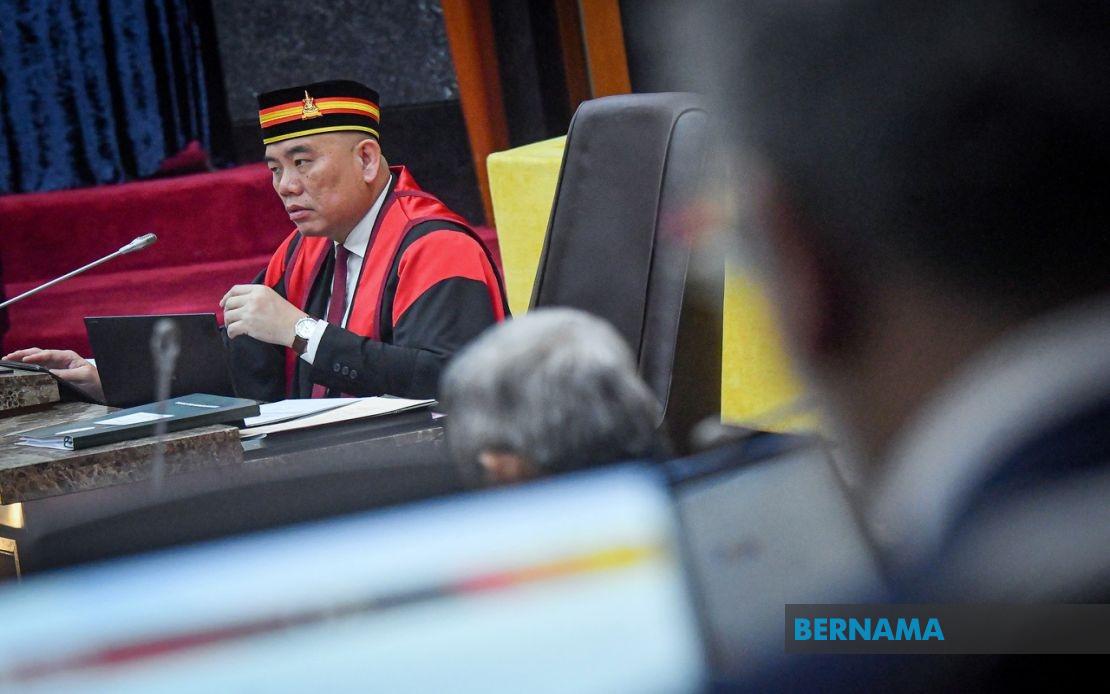
Selangor Speaker Lau Weng San is methodically reviewing the attendance records and status of all state assemblymen before making any determination on whether vacant seats should be declared in the legislature. The comprehensive examination, which encompasses representatives across all political parties, is part of a constitutional process designed to maintain the integrity of the assembly and ensure that only legitimate grievances result in the declaration of vacant positions. Speaking at Wisma Dewan Negeri Selangor in Shah Alam, Lau emphasised that the ongoing investigation was being conducted with meticulous attention to proper procedure and adherence to the State Constitution, signalling that no hasty decisions would be made without thorough examination of circumstances surrounding each assemblyman's status.
The Speaker indicated that while he remained unable to predict when the review would conclude, updates would be communicated once the process reached completion. His cautious approach reflects the high stakes involved in such matters, as the potential removal of members or declaration of vacant seats could trigger by-elections and significantly alter the political composition of the state assembly. Lau's deliberate pace also suggests an awareness of the sensitive political environment in which such decisions operate, with various parties likely to scrutinise the fairness and impartiality of the process. The Speaker's commitment to examining all constituencies and all parties underscores an attempt to demonstrate that the review is not politically motivated but rather a neutral exercise of constitutional authority.
When asked about notable absences during today's assembly sitting, Lau was quick to caution against premature conclusions linking non-attendance to the ongoing review. While acknowledging that one or two members were absent, he stressed that absence from a single sitting did not necessarily indicate that disciplinary action or seat declaration was imminent. Instead, he noted that members might miss sessions for legitimate reasons ranging from personal health concerns to other official commitments, and each instance required individual investigation and assessment before any conclusions could be drawn. This nuanced position highlights a fundamental distinction in parliamentary procedure: absence from one sitting is vastly different from the prolonged absence that the Selangor State Constitution specifies as grounds for vacating a seat.
Under the provisions of the Selangor State Constitution, an assemblyman faces potential seat vacation only if he or she fails to attend sittings for six consecutive months without obtaining permission or submitting official notification to the Speaker. This high threshold is deliberately set to protect members from having their seats arbitrarily declared vacant while ensuring that genuine abandonment of responsibility does not go unaddressed. However, Lau noted that several members had already submitted formal letters explaining their absences and citing various justifications, most notably health-related difficulties. The Speaker's recognition of these submitted explanations indicates that the review process includes a mechanism for members to legitimately account for their absence, provided they follow proper notification procedures and their reasons are deemed valid upon assessment.
The implications of this constitutional framework for Malaysian parliamentary practice are significant. The requirement for members to formally notify the Speaker of intended absences and to demonstrate legitimate reasons creates an important accountability mechanism while avoiding the pitfall of overly hasty seat declarations that could destabilise legislatures. For members facing health challenges or other temporary impediments, the system provides a pathway to retain their seats while temporarily unable to discharge their duties. Conversely, members who simply abandon their positions without notice or explanation face consequences. This balance reflects a broader principle in Westminster-style democracies that seeks to protect legislative stability while maintaining member accountability.
Menteri Besar Datuk Seri Amirudin Shari signalled that a definitive determination on the status of at least one Selangor state seat was expected to be finalised within the week. This timeline suggests that the Speaker's office has narrowed its focus in recent days, moving from a broad examination across all constituencies toward making specific decisions on particular seats. The urgency reflected in the Menteri Besar's statement indicates that the state government views resolution of this matter as important for clarity on the assembly's composition and the potential need to hold by-elections. The involvement of the state legal adviser in preparing necessary documentation further underscores the formal nature of the process and the importance of ensuring that any decision withstands potential legal scrutiny.
The procedural pathway outlined by Amirudin demonstrates the interconnected nature of constitutional processes in Malaysia's federal system. Once the Speaker provides official notification of any vacancy determination, this information must be conveyed to the Election Commission, which then holds responsibility for deciding whether and when by-elections should be held. This multi-stage process ensures that no single authority unilaterally determines the composition of the legislature, providing checks and balances within the system. The involvement of the state legal adviser reflects the constitutional complexity involved in seat declarations and the need for expert review before final decisions are announced.
For Malaysian political observers and the broader public, this situation in Selangor exemplifies ongoing tensions within state legislatures regarding member accountability and the occasional difficulty in determining whether absences constitute legitimate obstacles or constitute abandonment of duty. The Selangor case is neither unique nor unprecedented, as various states have previously grappled with similar questions regarding assemblyman status and potential seat vacancies. However, the transparency with which Speaker Lau has discussed the review process—committing to examining all parties and all constituencies without apparent bias—suggests an effort to build confidence in the impartiality of the outcome, regardless of which parties might be affected by any subsequent vacancy declarations.
The broader context of this review also reflects the heightened attention to parliamentary attendance and member accountability that has become increasingly prominent in Malaysian politics in recent years. Questions about whether assemblymen are genuinely committed to serving their constituencies and whether some members are neglecting their duties in favour of other pursuits have featured regularly in public discourse and opposition commentary. The Speaker's willingness to conduct a comprehensive review across party lines responds to these broader concerns about maintaining standards within the legislature and ensuring that seats are held by members actively engaged in their representative roles.
Looking ahead, the expected announcement this week will provide clarity on whether any seats in the Selangor assembly will be declared vacant and consequently trigger by-elections. For the various political parties represented in the 60-member assembly, the outcome could have significant implications for the balance of power and may necessitate campaign efforts to retain or gain seats through subsequent polling. The by-election process itself typically generates considerable political activity in affected constituencies, potentially providing opposition parties with opportunities to challenge the ruling coalition or giving the government a chance to strengthen its position depending on the circumstances. Meanwhile, the broader principles established by how this review is conducted will likely influence how such matters are handled in future situations, both in Selangor and potentially in other state legislatures facing similar questions about member status and parliamentary accountability.

