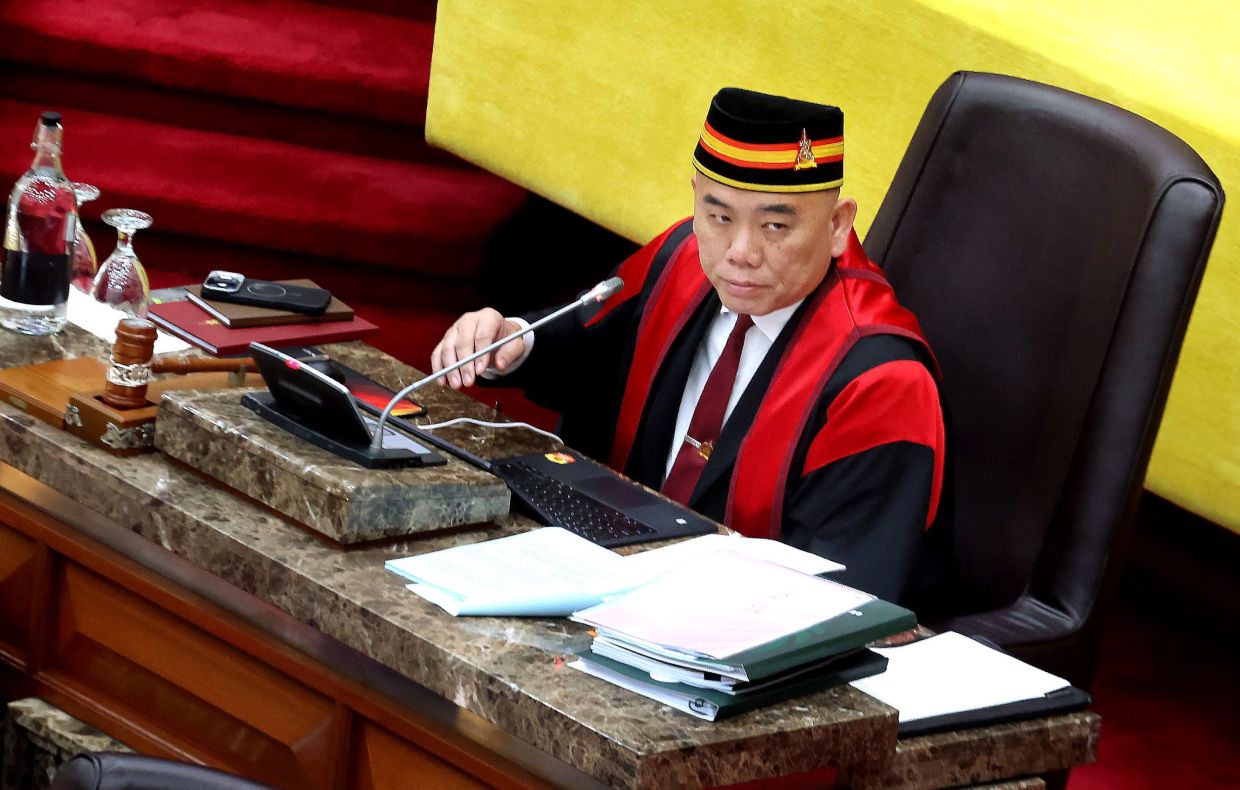
Investigations into a Selangor state assemblyman facing allegations of personal bankruptcy are proceeding methodically, according to Speaker Lau Weng San, who cautioned that final determinations remain pending. The Speaker addressed the matter during Monday's sitting of the Selangor State Legislative Assembly at Bangunan Dewan Negeri Selangor on August 3, declining to identify the assemblyman or offer specific timelines for resolving the inquiry.
The probe encompasses multiple dimensions of the case, extending across electoral constituencies and involving all stakeholders with potential bearing on the matter. Lau emphasised the importance of conducting a thorough examination before drawing conclusions, noting that premature judgments would be inappropriate given the serious constitutional implications involved. He stressed the investigative team's commitment to verifying all aspects comprehensively rather than relying on preliminary assumptions or incomplete information.
Regarding potential consequences, the Speaker clarified that his office would not unilaterally determine the political outcome. Instead, he deferred responsibility to the Election Commission, which holds statutory authority to assess whether circumstances warrant a by-election. This distinction reflects the constitutional separation between legislative and electoral administrative functions, with the Speaker's role confined to fact-finding rather than remedial decision-making.
The Speaker's reticence about the assemblyman's identity stems partly from investigative protocol and partly from legal caution. By withholding names pending conclusive findings, Selangor's legislative leadership avoids prejudicing ongoing examinations or exposing individuals to unwarranted reputational damage should allegations ultimately prove unfounded. This measured approach contrasts with more sensationalised media coverage that might prematurely implicate lawmakers without substantiating claims.
When pressed about whether the individual might be identifiable through absenteeism patterns during Monday's sitting, Lau offered a measured response acknowledging legitimate reasons for non-attendance. Legislators frequently miss proceedings for health-related reasons, family emergencies, or official duties requiring out-of-state travel. The Speaker's caution against drawing inferences from attendance records reflects awareness that such deductions would constitute speculation rather than evidence.
Under the Selangor State Constitution, stringent procedures govern seat vacancies triggered by prolonged absenteeism. A lawmaker's position becomes vacant only when the Speaker formally declares it following six consecutive months without attending assembly sittings and without providing advance notice. This constitutional safeguard prevents arbitrary removal while ensuring that serious disengagement from legislative duties cannot indefinitely continue. The mechanism balances protecting parliamentarians from capricious dismissal against upholding accountability to constituents.
Lau referenced the precedent of former Batang Kali assemblyman Harumaini Omar, whose seat was declared vacant on February 16, 2023, following extended absence exceeding half a year without authorisation. This case exemplifies how the constitutional provision operates in practice, with the Speaker acting only after exhaustive documentation of non-attendance and confirmation that no legitimate impediment existed. The Omar precedent underscores that seat vacancies occur rarely and only after demonstrable breach of parliamentary obligations.
The bankruptcy investigation assumes particular significance within Malaysia's political landscape, where financial probity carries implications for legislative capacity and public trust. Assemblymembers holding seats represent constituencies and vote on matters of public resource allocation. Questions about personal financial management, particularly insolvency, can reasonably prompt scrutiny about whether compromised legislators might face undisclosed conflicts of interest or external pressure. However, bankruptcy alone does not automatically disqualify representation; context matters considerably.
For Selangor's state government, this investigation occurs amid broader concerns about legislative standards and accountability. The Pakatan Harapan-led administration has emphasised transparency and institutional integrity, making thoroughness in such inquiries essential to maintaining public confidence. The Speaker's methodical approach reflects this commitment, even as it frustrates media and political observers eager for rapid disclosure and decisive action.
The potential by-election scenario carries ramifications beyond Selangor's assembly composition. By-elections can shift political momentum, testing incumbent government popularity and potentially indicating voter mood ahead of general elections. Opposition parties would likely mobilise resources to contest any vacancy, viewing it as an opportunity to demonstrate electoral strength. Conversely, the ruling coalition would defend the seat to maintain or enhance its numerical advantage. This political calculus remains subordinate to the investigation's constitutional requirements, yet the timing and outcome of the inquiry will inevitably intersect with electoral strategy.
The broader institutional question centres on how Malaysian legislatures balance transparency against fair process during investigations involving elected members. Premature disclosure risks violating principles of natural justice, while excessive secrecy invites accusations of cover-ups or preferential treatment. Lau's approach attempts threading this needle by maintaining investigation integrity while signalling that conclusions will eventually reach public scrutiny. This calibration between confidentiality and transparency continues challenging democratic institutions across Malaysia.
Moving forward, the investigation's conclusion will test whether established constitutional mechanisms adequately address contemporary challenges involving legislator conduct. Regardless of the specific outcome, the process itself demonstrates institutional commitment to procedural rectitude rather than political expediency. For Malaysian observers monitoring democratic standards, the investigation's handling offers insight into how state governments navigate sensitive matters affecting legislative legitimacy and public confidence in representative institutions.

