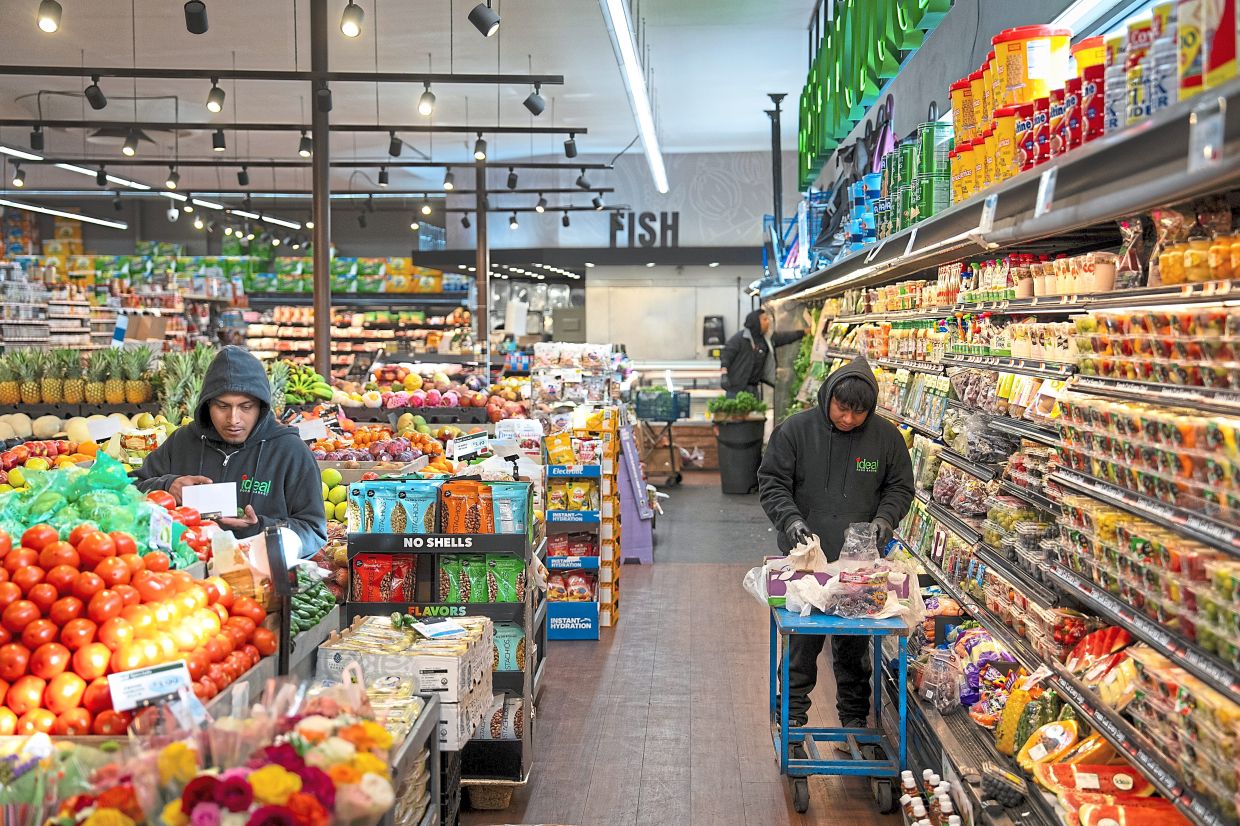
The Domestic Trade and Cost of Living Ministry has intensified its surveillance of food pricing across Selangor, conducting systematic inspections at public markets, supermarkets, independent grocers, and various retail outlets throughout the state. Mentri Besar Datuk Seri Amirudin Shari revealed during the Selangor State Assembly sitting at Bangunan Sultan Salahuddin Abdul Aziz Shah in Shah Alam that authorities have already examined 135 business premises as of July 31, reflecting the government's commitment to maintaining reasonable consumer prices in the face of inflationary pressures.
The enforcement drive gained particular momentum during the Hari Raya season, when consumer demand typically surges and price volatility becomes a concern for households. Over the festive period, inspectors carried out 6,728 comprehensive checks spanning the entire food supply chain, from producers and wholesalers through to retailers and distribution networks. This multi-layered approach seeks to identify irregularities at every stage where prices might be artificially inflated, rather than focusing solely on retail premises where violations are most visible to consumers.
The scale of contraventions uncovered during these operations underscores the prevalence of pricing violations in the market. A total of 380 cases of non-compliance were recorded, with infringements ranging from merchants failing to display prices clearly on goods to omitting mandatory signage indicating the government-approved maximum prices during the campaign period. These breaches, though appearing technical in nature, represent systematic attempts to obscure pricing from consumer scrutiny and prevent meaningful price comparison shopping.
To enforce compliance with pricing regulations, authorities are deploying the Price Control and Anti-Profiteering Act 2011, a legal framework designed to tighten oversight throughout supply chains and prevent traders from exploiting consumer demand during peak seasons. Amirudin emphasised that violators face graduated penalties ranging from official notices and monetary compounds to full prosecution in court, ensuring that deterrence operates at multiple levels of severity depending on the gravity and persistence of violations.
Recognising that regulation alone cannot control prices without addressing market dynamics, the state government has promoted the PriceCatcher application as a tool empowering consumers to actively monitor and compare prices across outlets. This digital initiative encourages healthy competitive pressure among traders, creating an environment where unreasonably high prices become commercially disadvantageous as customers shift to cheaper alternatives. By shifting some responsibility to informed consumer behaviour, the platform complements traditional enforcement mechanisms.
Beyond surveillance and punishment, Selangor has implemented ceiling price schemes during festive periods, particularly around Hari Raya when supply-demand imbalances can trigger sharp price spikes. The government pre-emptively designates maximum selling prices for selected essential commodities during these high-demand windows, preventing traders from leveraging seasonal scarcity to extract excessive profits. This proactive pricing strategy acknowledges that reactive enforcement alone cannot prevent price surges if ceiling protections are not established beforehand.
Supply chain coordination represents another pillar of the state's anti-inflation strategy. Amirudin noted that the government is actively engaging with producers, wholesalers, and industry stakeholders to ensure adequate commodity availability, particularly during festive seasons when demand can surge unpredictably. By working collaboratively with supply chain actors rather than relying exclusively on command-and-control enforcement, the state aims to prevent artificial scarcity that traders might otherwise exploit to justify price increases.
The scale of inter-agency coordination demonstrates the seriousness with which Selangor approaches food price governance. Through July, authorities conducted 38 integrated enforcement operations involving the Royal Malaysia Police, local authorities, the Immigration Department, and the Companies Commission of Malaysia. This multi-agency collaboration enables comprehensive oversight that no single regulator could achieve, cross-checking for smuggling, undocumented traders, and other irregular activities that distort pricing.
State-level initiatives operate in tandem with federal measures, creating a layered approach to price stability. Amirudin highlighted that Selangor complements national policies through special sales promotions and festive programmes designed to increase availability of essential goods at competitive prices during peak demand periods. This vertical integration of pricing policy from federal to state levels suggests recognition that inflation pressures operate at multiple governance scales and require coordinated responses.
For Malaysian consumers and traders, these developments carry significant implications. The increased vigilance signals that authorities are prepared to pursue violators aggressively, potentially deterring opportunistic price gouging. Simultaneously, the emphasis on supply chain coordination and consumer empowerment tools indicates that the government recognises market forces must ultimately discipline prices rather than regulation alone. The outcome will likely depend on whether these mechanisms can sustain momentum beyond festive seasons, when political pressure for visible action diminishes and trader non-compliance historically resurges.

