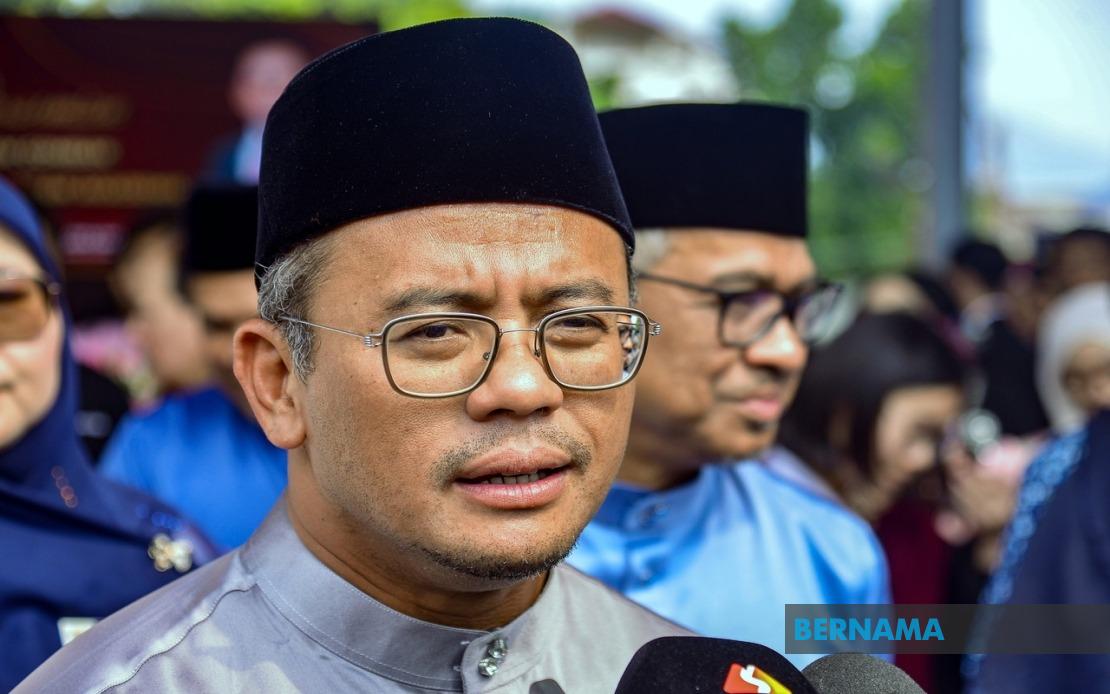
The Selangor state government is positioning science and technology education as a cornerstone of its 2027 budget strategy, signalling a decisive shift toward preparing students for a knowledge-driven economy. Menteri Besar Datuk Seri Amirudin Shari outlined the administration's commitment to fortifying the education support ecosystem while substantially increasing youth engagement with Science, Technology, Engineering and Mathematics disciplines. The announcement came during a visit to Gombak, where Amirudin opened a new Form Six college and presided over an academic excellence awards ceremony, underscoring the state's broader investment in secondary and tertiary education infrastructure.
Amirudin's emphasis on STEM participation reflects a pragmatic acknowledgment of Selangor's demographic weight and economic potential. With approximately one million students across the state, improvements in educational outcomes carry multiplier effects for both regional development and national competitiveness. The Menteri Besar articulated this clearly, noting that high achievement across such a large student population would generate positive ripple effects throughout society and strengthen Malaysia's position in global knowledge industries. This framing transforms education spending from a social cost into a strategic economic investment, a perspective increasingly prevalent among Southeast Asian policymakers seeking to leapfrog rival economies.
The 2027 budget allocation will target dual objectives: maintaining and elevating academic excellence in traditional subjects whilst simultaneously expanding opportunities for students to engage with STEM fields. Beyond examination performance, however, Amirudin signalled government interest in fostering community contribution and social responsibility among young people. This holistic approach suggests recognition that technical competence alone is insufficient; policymakers appear mindful that tomorrow's leaders require ethical grounding and civic engagement alongside technical mastery.
School infrastructure modernisation represents the second pillar of Selangor's educational roadmap. Rather than rushing budget finalisation, the state government is conducting comprehensive fact-finding missions to accurately assess infrastructure needs across its sprawling education system. Amirudin indicated that detailed requirements would be compiled through September and October, allowing government officials to make evidence-based allocation decisions rather than deploying funds reactively. This methodical approach, while potentially frustrating to communities awaiting improvements, suggests an attempt to avoid wasteful or misaligned spending.
A particularly innovative component of Selangor's support architecture is the Himpunan Pelajar Tingkatan Enam Selangor, or HIPSTERS programme, which has been repositioned as a comprehensive platform preparing Form Six students for higher education transitions. The initiative has matured considerably, now distributing book vouchers and providing complimentary internet data—essential resources in an increasingly digital learning environment. During 2026, ten thousand Form Six students received book vouchers, representing a significant expansion from earlier phases when support focused exclusively on university cohorts.
The HIPSTERS expansion reveals an important policy evolution: recognition that educational support must begin well before university entry. Form Six years represent a critical juncture where student trajectories solidify; providing tangible resources at this stage addresses genuine inequities while potentially identifying and nurturing talent among economically disadvantaged populations who might otherwise lack access to quality supplementary materials. For Malaysian readers, particularly those in lower-income households, such programmes represent a meaningful democratisation of educational opportunity.
Amirudin's openness to further expanding HIPSTERS coverage to additional Form Six institutions demonstrates programmatic flexibility and responsiveness to emerging demand. Rather than imposing a rigid, state-wide rollout, the government appears willing to scale incrementally based on demonstrated need and institutional capacity. This measured expansion strategy, though slower than some might prefer, reduces implementation risks and allows programme administrators to maintain quality standards across participating schools.
The significance of Selangor's educational initiatives extends beyond state boundaries. As Malaysia's most economically dynamic and demographically dense state, policy innovations here often serve as templates for other jurisdictions. If Selangor successfully demonstrates that targeted STEM investment yields measurable improvements in student outcomes and employment prospects, neighbouring states and the federal government may follow suit. Conversely, implementation challenges or disappointing results could temper enthusiasm for similar programmes nationwide.
For parents and students within Selangor, these budgetary commitments carry practical implications. Enhanced STEM infrastructure and teacher training could expand subject choices and improve teaching quality in science-heavy programmes. Expanded book vouchers and data provision address real barriers to equitable learning, particularly beneficial for rural students or those in economically challenged districts where family resources often fall short of educational needs. The cumulative effect, if properly implemented, should broaden pathways into high-skilled professions and reduce educational inequality.
The broader context illuminates why Selangor's educational priorities matter for regional development. Southeast Asia faces intensifying competition from technologically advanced economies; nations that successfully cultivate large cohorts of STEM-capable workers gain significant competitive advantages in attracting multinational investment and developing indigenous innovation capacity. Malaysia's position depends substantially on Selangor's success in this arena. A million educated, technically skilled young people emerging from Selangor over the next decade would meaningfully alter Malaysia's economic trajectory and regional standing.
Implementation represents the perpetual challenge facing ambitious educational policy. Budget allocation and programme design matter far less than execution quality. Success requires competent administrators, adequately remunerated teachers, proper maintenance of infrastructure, and accountability mechanisms ensuring funds reach intended beneficiaries. Amirudin's timeline for infrastructure decisions and measured HIPSTERS expansion suggests awareness of these implementation realities, but verification of actual programme delivery will ultimately determine whether the 2027 budget translates rhetorical commitment into tangible educational improvement for Selangor's youth.

