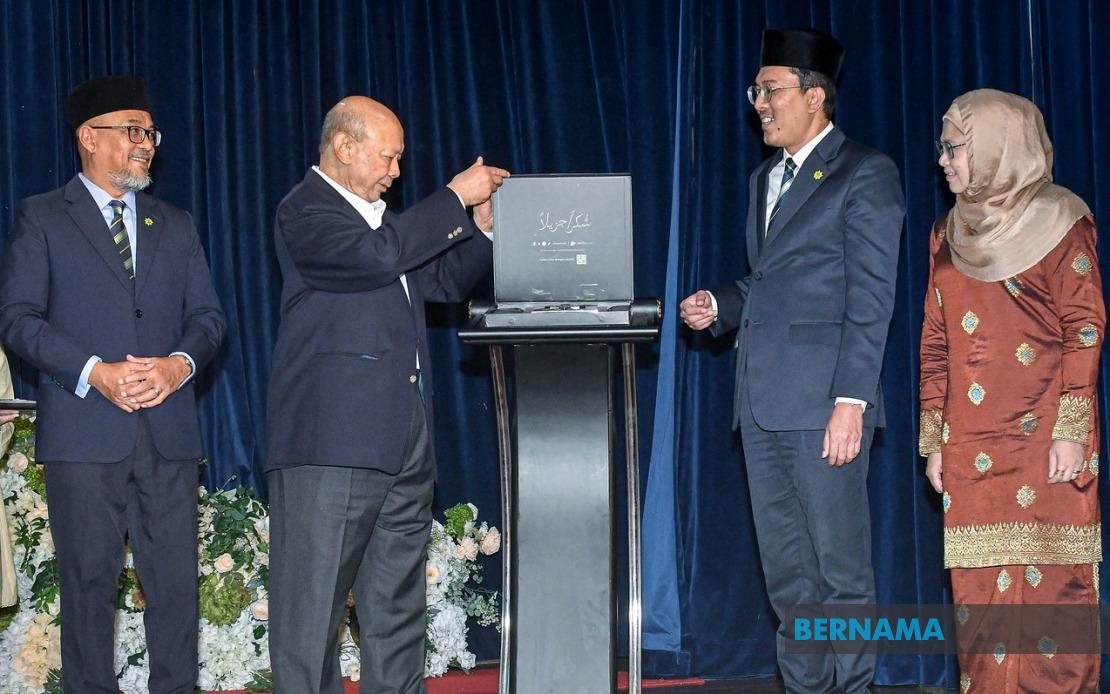
Zakat Selangor unveiled the Muzakki Zakat Selangor Recognition Initiative (IKTIRAF) in Shah Alam on July 7, marking a significant milestone as Malaysia's first official certification programme dedicated to honouring companies and organisations that maintain consistent fulfilment of their business zakat obligations. The launch represents a strategic effort to formalise corporate social responsibility within an Islamic framework, positioning zakat compliance as a measurable and verifiable dimension of corporate governance in the region.
According to Mohd Khaidzir Shahari, the board's chief executive officer, IKTIRAF operates on a foundational philosophy that corporate zakat payment constitutes an essential component of Islamic business practice rather than a peripheral obligation. He articulated that the initiative's core purpose extends beyond mere recognition, instead aiming to cultivate systemic awareness among corporate entities regarding their religious and social responsibilities. By legitimising zakat as an integral governance mechanism, the programme seeks to normalise its practice across Malaysia's business landscape.
The certification framework grants eligible participants an e-Certificate and e-Label bearing a unique serial number, enabling companies to display credentials across products, physical premises, and marketing collateral. This tangible branding mechanism serves a dual function: it authenticates a company's zakat compliance while simultaneously communicating that commitment to consumers. Members of the public retain the ability to validate a participating organisation's status through QR code verification, introducing transparency into the certification ecosystem. The model deliberately mirrors the established halal certification paradigm that has gained widespread consumer acceptance across Southeast Asia, leveraging familiar mechanisms to drive adoption.
Mohd Khaidzir drew explicit parallels between IKTIRAF and halal certification frameworks, noting that both operate as consumer-facing trust signals. When a product bears the IKTIRAF designation, Muslim purchasers gain reassurance that the underlying company fulfils its zakat obligations, effectively creating a market incentive structure favouring compliant businesses. This consumer-driven validation mechanism potentially generates competitive advantage for participating firms, encouraging industry-wide adoption through both moral persuasion and commercial viability. The approach recognises that Islamic business practices gain traction when aligned with consumer preferences and market dynamics.
The Selangor Zakat Board has established an ambitious yet measured target of recognising approximately 1,000 existing business zakat payers during IKTIRAF's inaugural year. However, Mohd Khaidzir emphasised that numerical targets constitute secondary concerns relative to establishing genuine understanding among corporate decision-makers. This philosophical stance reflects recognition that sustainable zakat integration requires genuine commitment rather than superficial compliance. The organisation prioritises engagement with shareholding structures and board-level decision-making bodies to facilitate deep understanding of zakat obligations and foster consistent, voluntary participation.
Crucially, Mohd Khaidzir articulated that zakat implementation fundamentally resists enforcement mechanisms, instead demanding voluntary cooperation grounded in religious understanding and institutional commitment. This distinction carries significant implications for how religious compliance initiatives succeed or falter across Muslim-majority economies. Rather than deploying regulatory penalties or mandatory mechanisms, Zakat Selangor adopts a capacity-building approach targeting corporate leadership, thereby addressing zakat payment as a matter of corporate conscience and religious obligation rather than governmental coercion. This methodology aligns with contemporary understanding that sustainable behavioural change in corporate contexts emerges through persuasion and institutional culture-building.
The initiative's emphasis on consistent, recurring zakat payments rather than episodic contributions reflects sophisticated understanding of how corporate charitable practice integrates into institutional DNA. Companies that adopt zakat as a standing budget line demonstrate fundamentally different organisational commitment than those approaching it opportunistically. By distinguishing between consistent payers and occasional contributors, IKTIRAF incentivises the embedding of Islamic financial principles into permanent corporate structures. This structural integration ultimately strengthens the zakat ecosystem across Selangor by creating stable, predictable revenue streams for religious and social purposes.
Zakat Selangor chairman Tan Sri Syed Anwar Jamalullail's presence at the launch underscored the initiative's institutional significance within Malaysia's Islamic governance architecture. The board's commitment to formalising business zakat recognition reflects broader regional trends recognising Islamic finance and Islamic business ethics as strategic economic development vectors. Selangor, as Malaysia's most economically significant state, provides an influential platform for piloting such initiatives, potentially establishing precedents that other states and federal authorities might subsequently emulate.
The presentation of IKTIRAF plaques to qualifying companies under both the Business Zakat and Salary Deduction Scheme categories acknowledged existing contributors whilst simultaneously establishing quality benchmarks for future participation. This ceremonial recognition serves psychological and institutional functions beyond mere acknowledging, signalling to the business community that zakat compliance receives official validation and social prestige. Such recognition mechanisms are particularly significant in Southeast Asian contexts where reputational capital and formal acknowledgement carry substantial weight in corporate decision-making.
Looking forward, IKTIRAF potentially catalyses broader integration of Islamic financial principles into Malaysian corporate practice. The initiative demonstrates that religious obligations can operate effectively through market-based incentives and consumer validation rather than governmental mandates. For Malaysian businesses, particularly those with substantial Muslim consumer bases, IKTIRAF certification offers tangible competitive differentiation. The programme's success hinges on whether corporate leadership genuinely internalises zakat as a governance imperative or whether participation remains superficially motivated by consumer appeal and marketing advantage.

