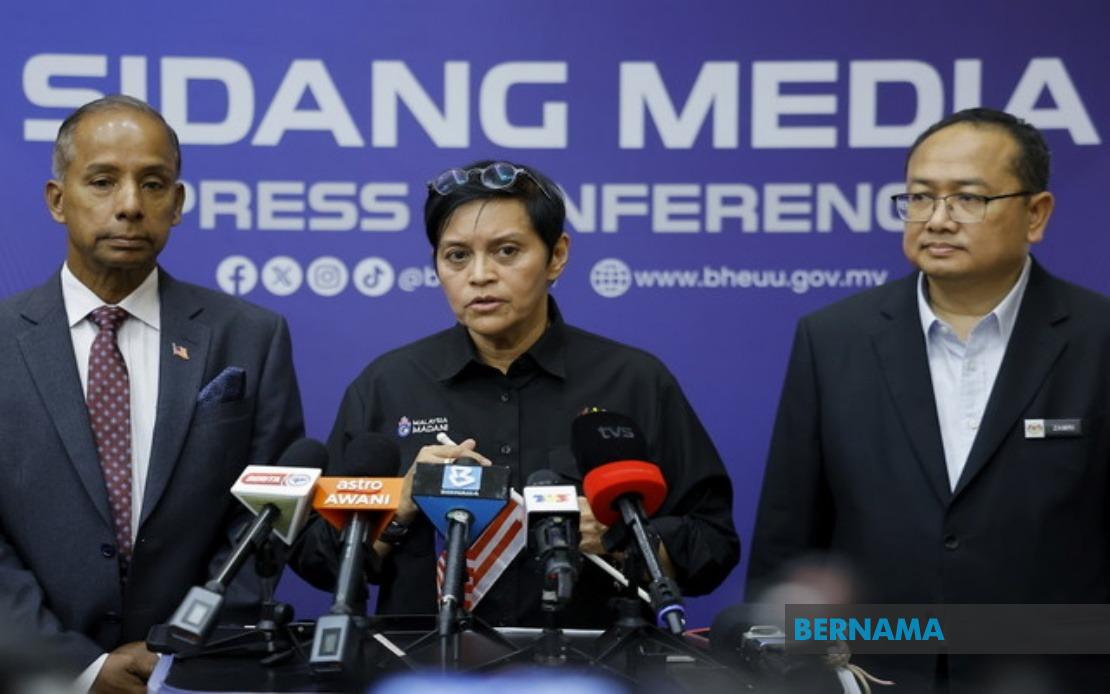
The Freedom of Information Bill 2026 enters a critical review phase tomorrow as a Parliamentary Select Committee prepares to examine the landmark legislation designed to enhance government transparency and public access to official records. Datuk Seri Azalina Othman Said, Minister in the Prime Minister's Department (Law and Institutional Reform), will preside over the committee, which is expected to deliver its recommendations before Parliament reconvenes for its next sitting.
Tomorrow's inaugural meeting will focus on establishing the committee's terms of reference—a foundational step that will shape how comprehensively the proposed law is evaluated. The selection of a Select Committee pathway rather than direct parliamentary tabling represents a deliberate attempt to allow for deeper scrutiny and broader consultation with the diverse range of stakeholders who have expressed concerns about the Bill's current scope and limitations.
Azalina has signalled that the committee will operate on a bipartisan basis, incorporating Members of Parliament from across the political spectrum into its deliberations. This cross-party approach reflects the government's recognition that information transparency transcends partisan lines and that building legislative consensus around such a significant transparency measure requires genuine collaborative effort within Parliament itself.
A substantial body of feedback from non-governmental organisations and professional associations has already reached the committee even before its first meeting. These stakeholders have been vocal in their assessment that the Bill's current formulation is insufficiently ambitious, arguing that it should provide broader access to government information than presently contemplated. Azalina acknowledged these concerns explicitly, indicating that the committee will carefully evaluate whether the Bill's scope requires expansion to better serve the public interest.
The Bill establishes a formal mechanism through which Malaysian citizens aged 18 and above can submit written requests for access to information held by public authorities. This foundational framework addresses a longstanding gap in Malaysia's governance structure, creating for the first time a dedicated statutory pathway for citizens to seek official documents and information held by the government. Previously, access to government information relied on ad hoc arrangements and departmental discretion rather than transparent, enforceable procedures.
However, the published draft reveals significant limitations that have drawn particular scrutiny from civil society organisations. The legislation as currently drafted preserves the application of existing secrecy statutes, particularly the Official Secrets Act 1972, which continues to exempt broad categories of information from disclosure. Additionally, any documents whose release is prohibited or restricted under other legislation remain shielded from disclosure under the Freedom of Information framework, potentially undermining the transparency objectives the Bill nominally pursues.
These exemptions reflect the persistent tension between transparency aspirations and security or administrative confidentiality concerns that plague freedom of information frameworks globally. Malaysia's approach mirrors many democracies that have sought to balance citizen access rights against legitimate government interests in protecting sensitive information. Nevertheless, how broadly these exemptions are interpreted and applied will fundamentally determine whether the legislation becomes a meaningful tool for citizens seeking government accountability or merely a symbolic gesture toward transparency.
The government's July 13 announcement that the Freedom of Information Bill would be referred to a Select Committee indicated a shift toward more deliberative legislative processes. This decision acknowledged that rushing such consequential legislation through Parliament without comprehensive stakeholder engagement risked producing flawed or insufficiently considered law. The committee mechanism allows for formal written submissions from interested parties, structured testimony from experts and civil society representatives, and detailed clause-by-clause examination of the Bill's language and implications.
For Malaysian readers and Southeast Asian observers, this legislative development carries significance beyond its immediate procedural mechanics. Freedom of information laws represent bellwether indicators of democratic health and governmental openness. Malaysia's decision to pursue such legislation, even with current limitations, suggests a recognition that sustained economic development and investment require institutional frameworks built on predictability and transparency. Multinational corporations, international investors, and Malaysia's own citizens increasingly demand clear visibility into government decision-making processes that affect their interests.
The Select Committee's evaluation will likely grapple with several contentious questions. How extensively should national security exemptions apply? What mechanisms should exist for reviewing government decisions to withhold information? Should commercial information held by public authorities receive protection from disclosure? Which categories of personal information should remain confidential? These questions will shape whether Malaysia's freedom of information regime becomes genuinely transformative or largely ceremonial.
Azalina's willingness to engage seriously with stakeholder concerns signals that the committee may substantially revise the Bill from its current published form. The acknowledgment that NGOs and professional bodies believe the legislation should be wider suggests openness to expanding the information categories accessible to citizens and potentially narrowing the exemptions that presently limit the Bill's reach. Such revisions would require careful negotiation between transparency advocates and government agencies concerned about operational impacts.
The timeline for the committee's work remains compressed, with recommendations needed before Parliament's next sitting. This schedule will test whether meaningful stakeholder engagement can occur within such constrained timeframes. Nevertheless, the commitment to this Select Committee process represents progress toward more deliberative and inclusive legislative practice in Malaysia, establishing a precedent that might influence how Parliament approaches other consequential legislation in coming years.

