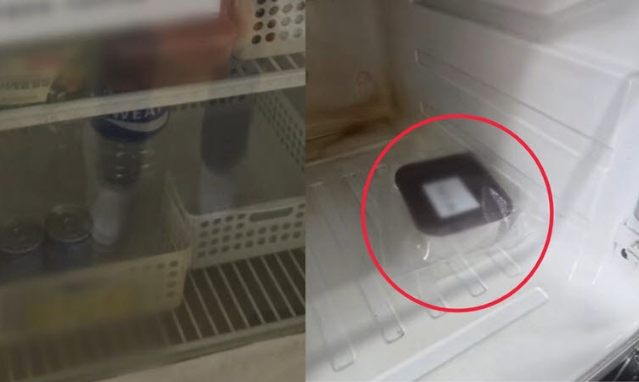
A nursing facility in Seoul has become the focus of a regulatory investigation following the discovery of a patient's severed toe in its kitchen refrigerator, raising serious questions about safety protocols and informed consent at the institution. The severed digit, belonging to a man in his sixties with intellectual disabilities who has resided at the hospital for a decade, was placed inside a disposable porridge container and left alongside food items and beverages for roughly two weeks until discovered by visiting family members, according to reporting from KBS on August 19.
The circumstances surrounding the amputation paint a troubling picture of communication breakdown between medical staff and the patient's family. Hospital personnel indicated that the toe had detached in March following an accident during the patient's transfer to a bathing area, explaining that he had fallen from his wheelchair at that moment. The detachment reportedly occurred because the affected digit was already suffering from skin necrosis, a condition involving tissue death. Despite this established medical vulnerability, the family maintains they received no advance notification of a foot ulcer diagnosis, even though hospital nursing records explicitly documented this condition dating back to December of the previous year.
The case highlights a critical gap between institutional record-keeping and family communication that proves particularly troubling given the patient's intellectual disability and dependence on caregivers. When the family initially contacted the hospital in March to learn what had happened, staff members offered the wheelchair accident explanation without apparently elaborating on underlying health concerns or discussing long-term treatment plans. This lack of proactive disclosure about pre-existing conditions represents a significant departure from standards requiring healthcare providers to keep families informed about significant diagnoses and deteriorating health conditions, especially involving vulnerable patients unable to advocate for themselves.
Beyond the communication failures lies a separate compliance issue concerning the hospital's handling of biological material. South Korea's Waste Control Act explicitly mandates that medical waste be stored in designated containers specifically designed for that purpose. Storing human tissue in an ordinary kitchen refrigerator alongside food items and condiments represents a clear violation of this regulatory framework. Additionally, such storage arrangements potentially breach food sanitation regulations by contaminating areas where food preparation occurs and where consumables are stored, creating a public health hazard that extends beyond the individual patient.
The hospital's explanation for this unusual storage choice—claiming the institution lacked an appropriate container and that a nurse made a hasty decision to refrigerate the toe as an urgent response to an unanticipated situation—suggests either inadequate preparedness or a troubling breakdown in institutional procedures. Well-functioning healthcare facilities maintain proper protocols for handling unexpected medical situations, including protocols for temporary storage of biological materials. The assertion that no suitable container existed strains credibility in a medical institution, as such facilities routinely manage similar material as part of routine operations and should maintain appropriate storage infrastructure accordingly.
This incident carries broader implications for how South Korea's healthcare regulatory system monitors standards at smaller medical facilities. Nursing hospitals occupy a distinct niche in the healthcare landscape, serving patients who require ongoing care but may not need intensive acute hospital treatment. These facilities often house vulnerable populations including elderly individuals and persons with developmental disabilities, populations particularly dependent on staff vigilance and adherence to established safety protocols. When such facilities fall short of standards, the consequences disproportionately affect those least able to protect their own interests.
The discovery also underscores the critical role families play in oversight and quality control within healthcare institutions. Had the family not visited when they did, this violation might have remained undetected indefinitely. This reality suggests that existing inspection and monitoring mechanisms may be insufficient to catch protocol breaches, particularly at facilities serving populations with limited ability to report problems independently. The family's vigilance essentially provided the quality assurance function that institutional oversight should have prevented the violation from occurring in the first place.
Following media revelation of the situation, South Korea's Health Ministry announced it would direct local government authorities to conduct a formal administrative investigation into the facility. This investigative action represents the first formal consequence, though the ultimate disciplinary measures remain unclear at this stage. Investigators will likely examine not only the refrigerator storage incident but also the broader communication failures regarding the foot ulcer diagnosis and the circumstances of the initial amputation. The investigation will presumably address whether current safety protocols at the facility meet regulatory standards and whether staff training adequately prepares personnel for managing unexpected medical situations.
The case raises significant questions about oversight mechanisms for vulnerable populations in medical settings across Southeast Asia. As regional healthcare systems continue expanding access to long-term care facilities, particularly nursing homes and intermediate care institutions, maintaining consistent standards becomes increasingly challenging. Healthcare authorities throughout the region may examine this incident for lessons about the inspection protocols, staff training requirements, and family communication standards necessary to protect patients who cannot independently advocate for appropriate care. The toe storage case, while seemingly isolated and even darkly absurd, ultimately reflects systemic issues affecting institutional accountability and vulnerable population protection.

