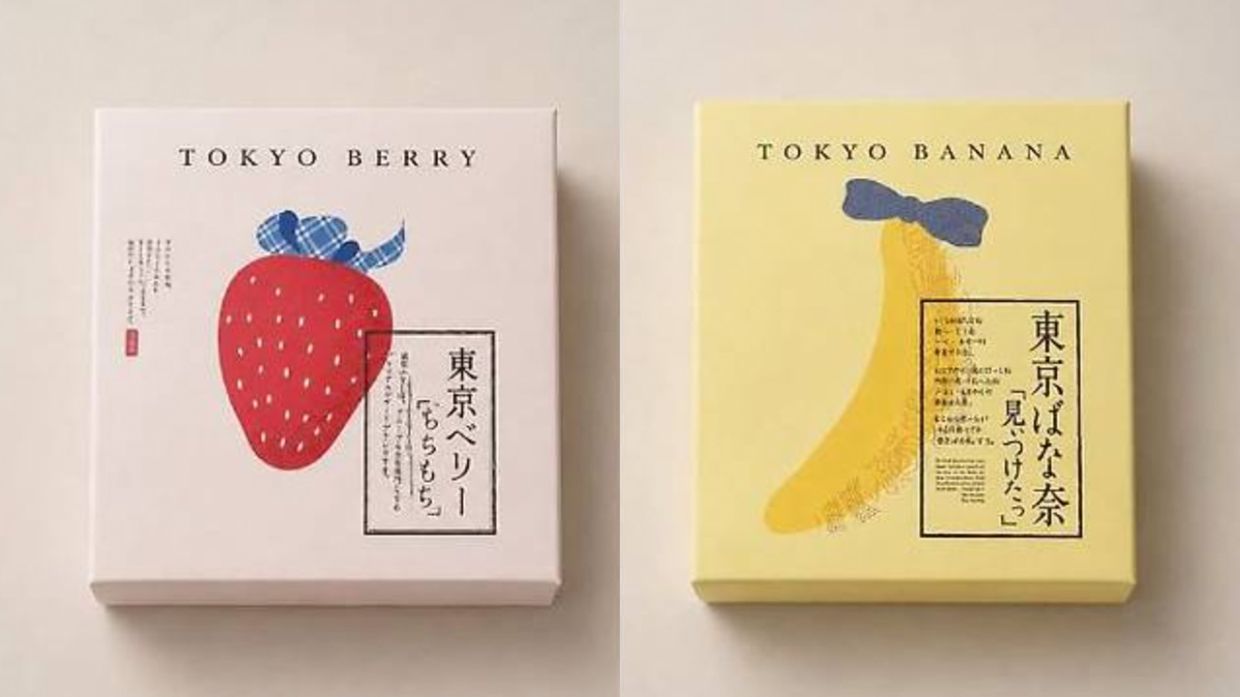
South Korea's newly minted dessert brand Tokyo Berry has become embroiled in a significant intellectual property controversy after consumers flagged what they claim are striking similarities between its products and Japan's well-established Tokyo Banana confectionery line. The row has escalated rapidly across social media platforms, with side-by-side comparisons of packaging designs going viral and sparking a broader debate about brand ethics and consumer protection in the region's competitive food and beverage sector.
Tokyo Banana, manufactured by Japan's Grapestone confectionery company, occupies a prominent position in the regional sweets market as a distinctive banana-shaped sponge cake that has built substantial brand recognition over years of consistent production and marketing. The product has become synonymous with Japanese confectionery exports throughout Asia, making it a valuable intellectual asset for the Tokyo-based manufacturer. The design and packaging have become instantly recognisable to consumers across multiple countries, contributing to Tokyo Banana's premium positioning within the dessert category.
Tokyo Berry's entry into South Korea's competitive dessert market began with pop-up operations at major department store chains including Lotte and Shinsegae, locations that typically command significant foot traffic and consumer attention. Initial reception appeared positive, with some store locations reporting queues of customers eager to purchase the newly available products. The brand's rapid expansion strategy and prominent retail positioning suggested confidence in its market positioning, yet this aggressive rollout has now been derailed by the mounting controversy.
Central to the allegations is Tokyo Berry's marketing narrative, which emphasised capturing seasonal fruit flavours whilst invoking Tokyo's cultural prestige through promotional messaging. This strategic positioning appears to have contributed to consumer confusion about the brand's actual origin and ownership. Multiple purchasers reported assuming Tokyo Berry was a Japanese export product, suggesting the marketing approach may have deliberately leveraged Japan's strong reputation for confectionery craftsmanship and quality assurance. The brand's name itself, combining Tokyo with a fruit descriptor, created further ambiguity about its geographic source and potential connection to established Japanese manufacturers.
The backlash has intensified beyond packaging concerns. Consumers have identified what they perceive as copying of inner wrapping techniques allegedly sourced from Hanjungsun, a respected Korean premium dessert maker that specialises in traditional hanji paper packaging for its chapssaltteok rice cakes. This secondary allegation expands the controversy from simple design imitation to encompass broader questions about Tokyo Berry's approach to product development and sourcing practices. The suggestion that the brand may have drawn inspiration from multiple existing Korean manufacturers alongside the Tokyo Banana concept has broadened the scope of criticism within South Korea's food industry community.
Response from department store management has been swift and decisive. Officials confirmed to The Korea Herald that all future Tokyo Berry pop-up store installations have been cancelled indefinitely, signalling retailers' unwillingness to continue association with the embattled brand amid public disapproval. This represents a substantial commercial setback, as department store partnerships represent crucial distribution channels for newly launched food products in South Korea's retail landscape. The cancellations suggest retailers prioritise protecting their own brand reputation over short-term sales revenue generated through the controversial brand.
Tokyo Berry's social media response has consisted of defensive measures rather than substantive engagement with the criticism. The brand restricted access to its Instagram promotional content and disabled comment functionality, preventing consumers from publicly raising concerns or engaging in dialogue about the allegations. This approach contrasts sharply with transparent communication strategies typically favoured during brand crises, potentially intensifying perceptions of culpability and unwillingness to address legitimate grievances. The restrictions have frustrated consumers seeking accountability and clarity regarding the brand's design development process.
Within South Korea's online communities, the controversy has transcended commercial territory to become a matter of perceived national embarrassment. Several commentators expressed frustration that a domestic brand would adopt such visibly similar aesthetics to an established Japanese product, viewing the approach as reflecting poorly on Korean creative industries and manufacturing ethics. This emotional dimension has elevated the controversy beyond typical intellectual property disputes, tapping into broader sensitivities about regional competitive positioning and cultural representation within East Asia's food and beverage landscape.
Grapestone, Tokyo Banana's Japanese manufacturer, has initiated a formal review process examining the allegations and potential intellectual property implications. The company's measured response indicates they are assessing available legal remedies whilst gathering comprehensive documentation of the similarities. Japanese confectionery companies have historically protected their intellectual property vigorously across Asian markets, and Grapestone's involvement suggests the matter may escalate toward formal legal proceedings. The company's statement acknowledged shared awareness amongst relevant departments, signalling that multiple levels of management are now engaged with the situation.
The Tokyo Berry episode reflects broader tensions within Asia's food manufacturing sector regarding design innovation, brand authenticity, and regulatory oversight of product development. South Korea's dynamic confectionery market has generated genuine innovations and premium products worthy of international recognition, making incidents where domestic manufacturers allegedly replicate foreign designs particularly contentious. The controversy serves as a cautionary reminder for emerging food brands about the importance of distinctive design identity, transparent sourcing practices, and ethical positioning within increasingly interconnected Asian consumer markets.

